☰
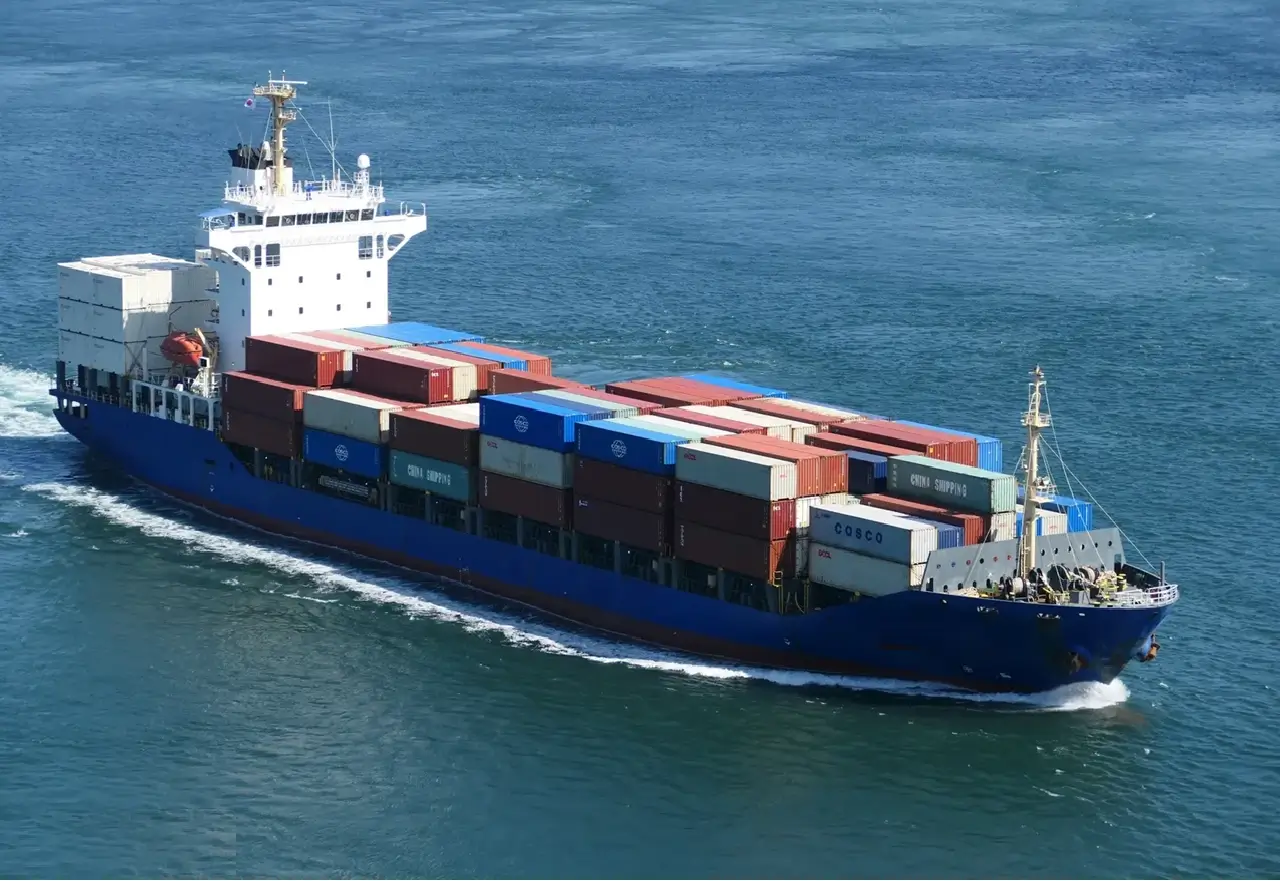
Location: -
Size: 12829DWT
Built Year: 2007
Price: $-
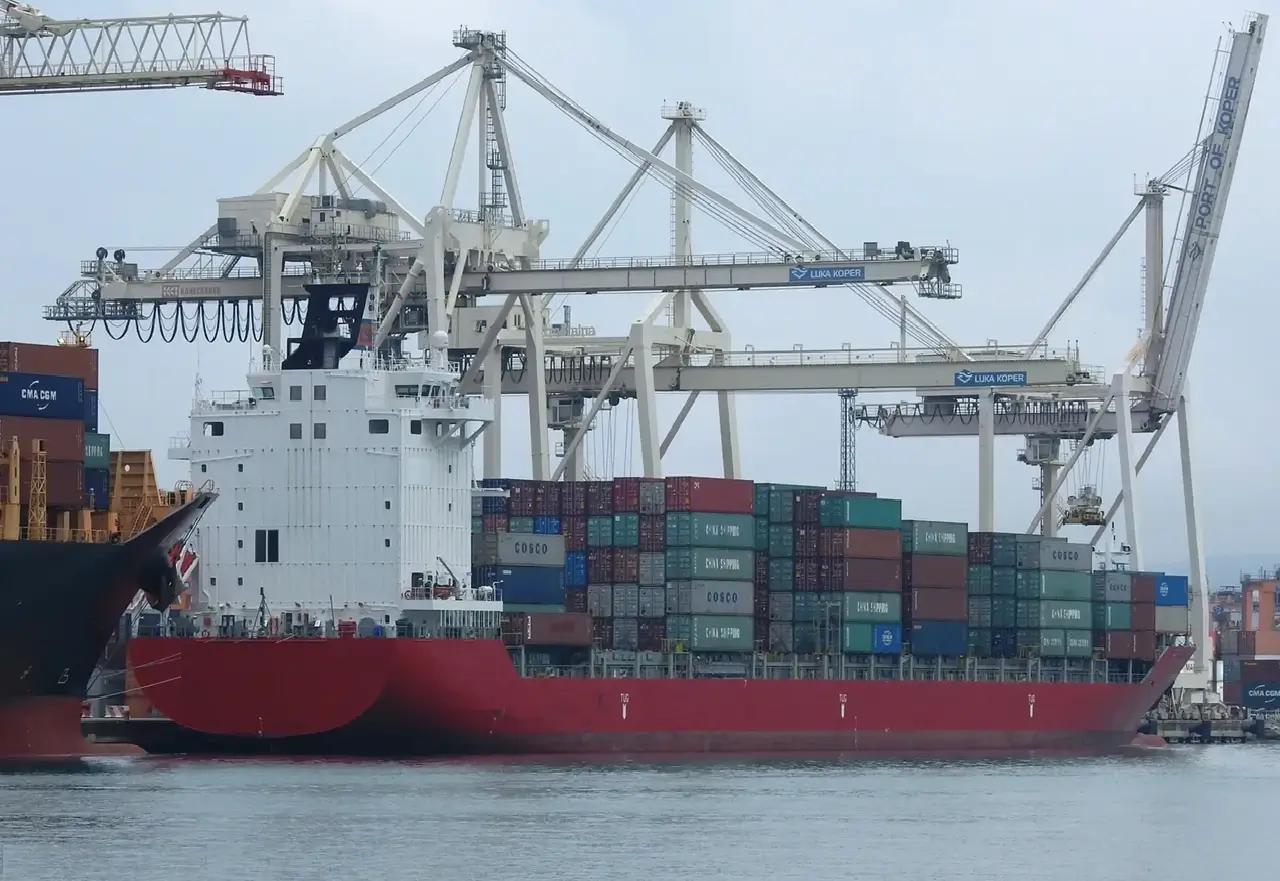
Location: -
Size: 24095DWT
Built Year: 2008
Price: $-
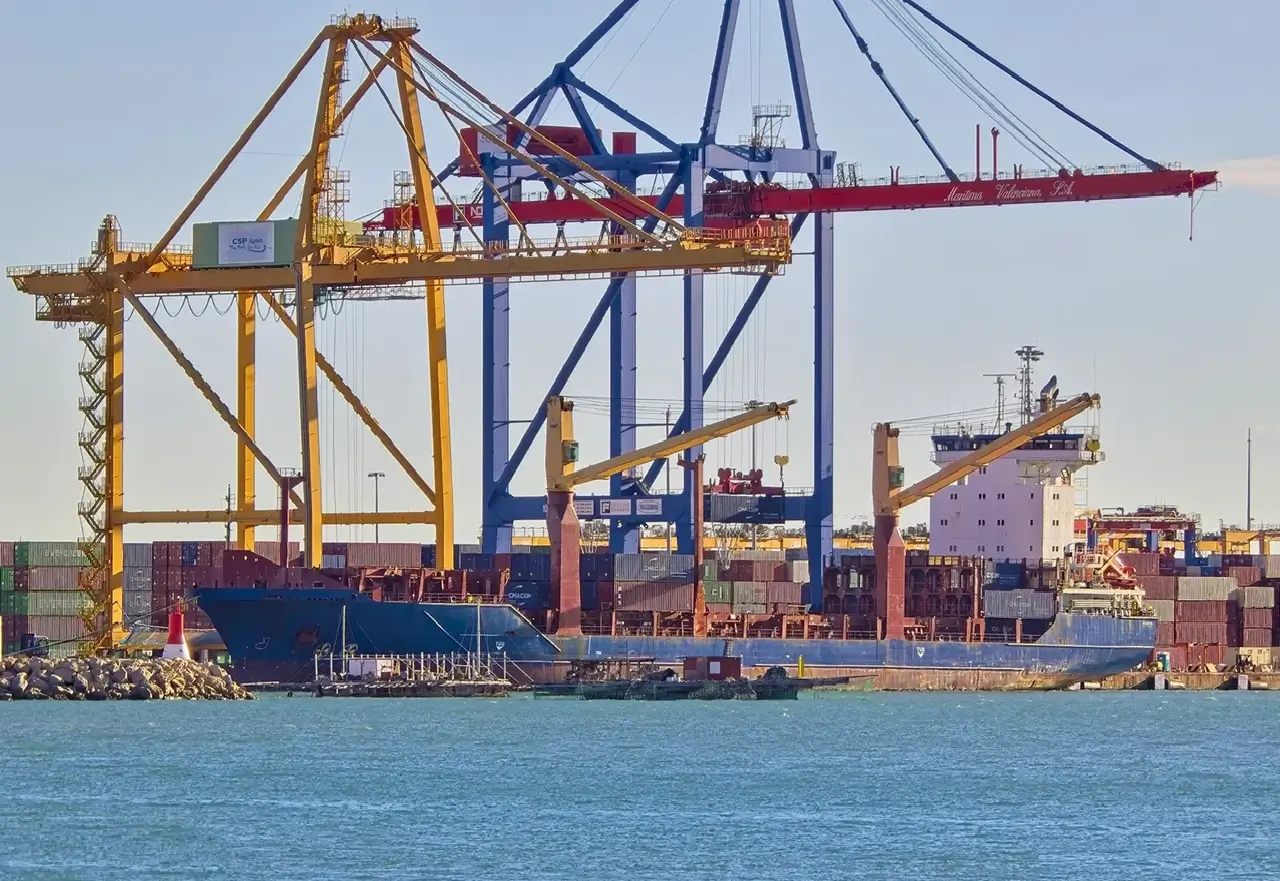
Location: -
Size: 11846DWT
Built Year: 2006
Price: $-
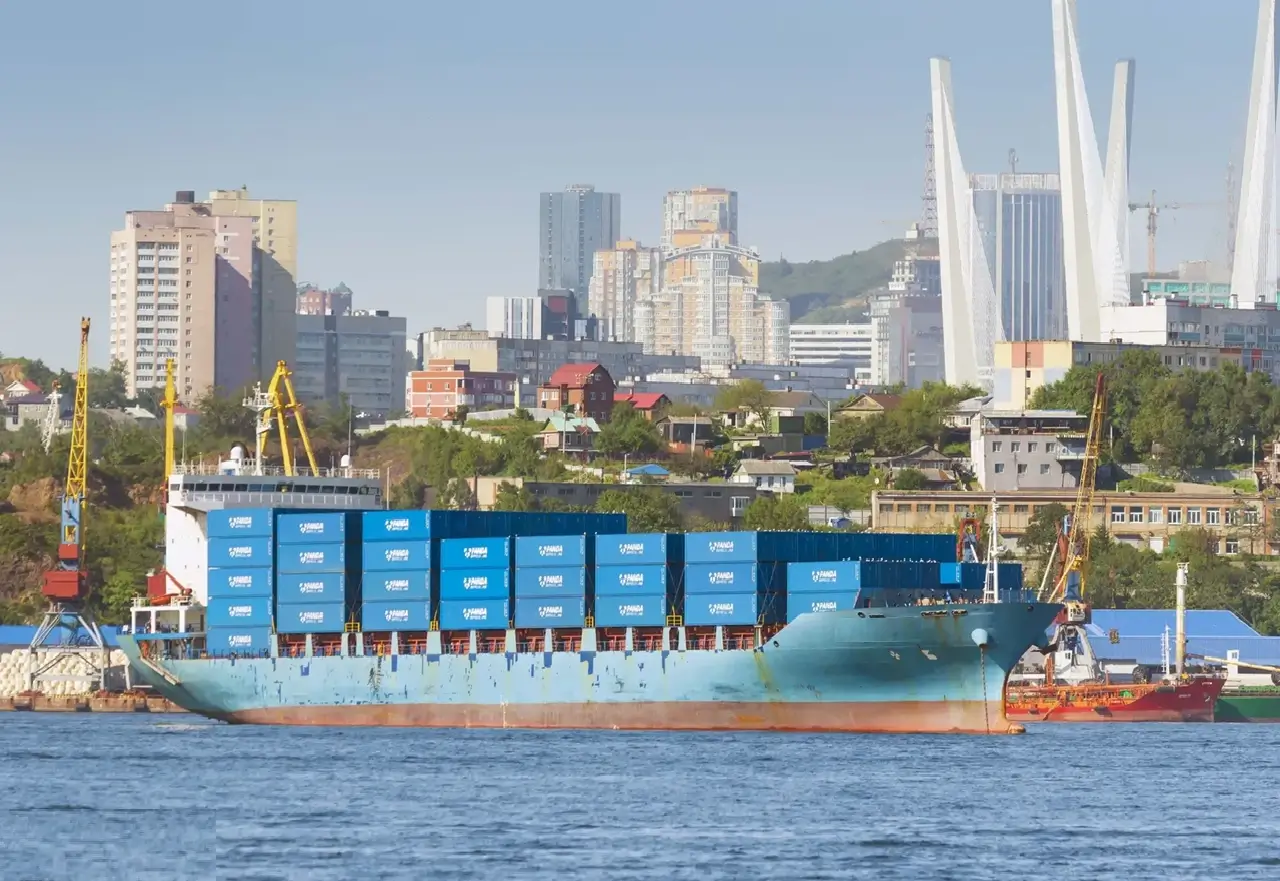
Location: -
Size: 15231DWT
Built Year: 1998
Price: $-
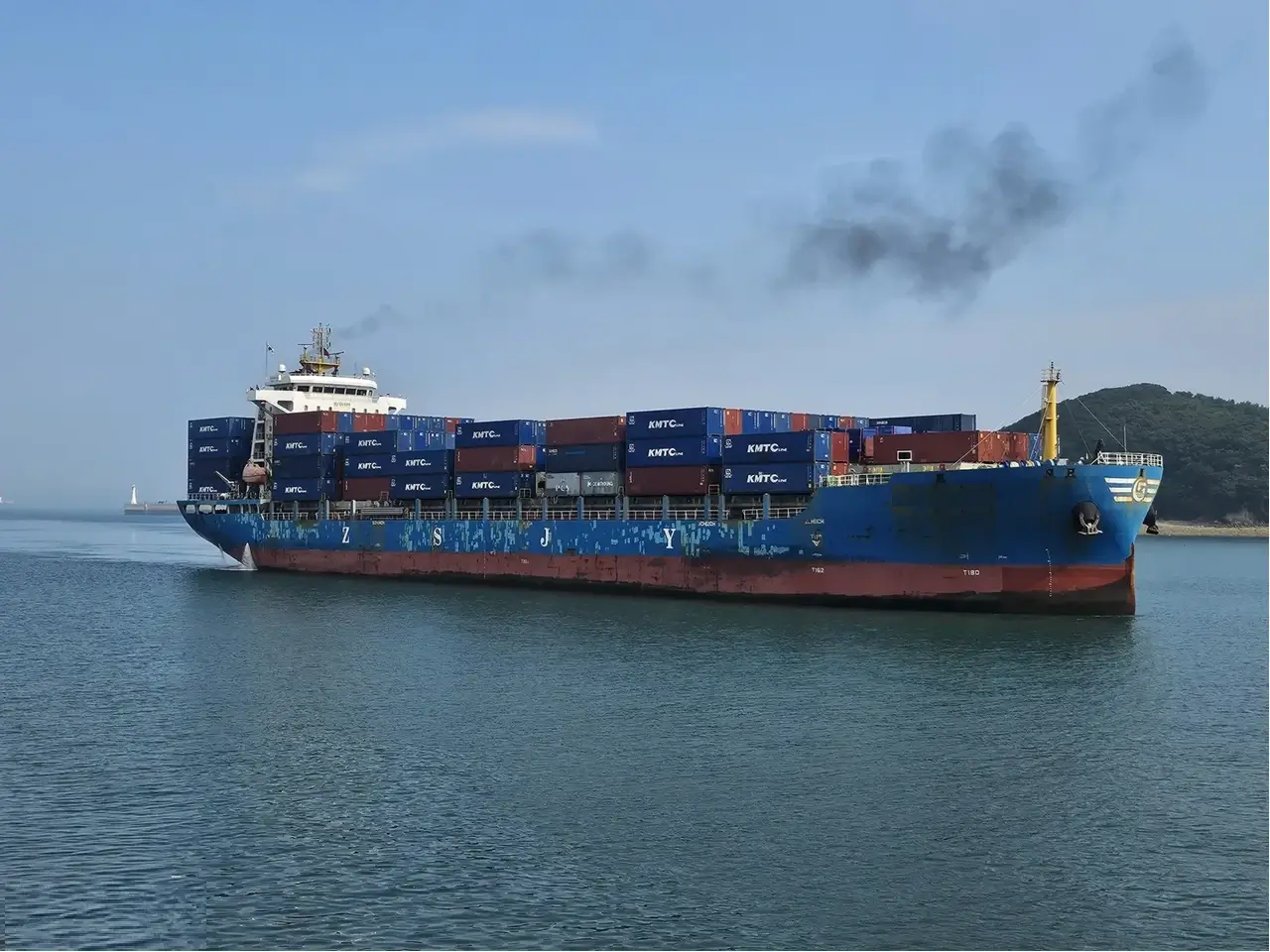
Location: -
Size: 24383DWT
Built Year: 2024
Price: $-
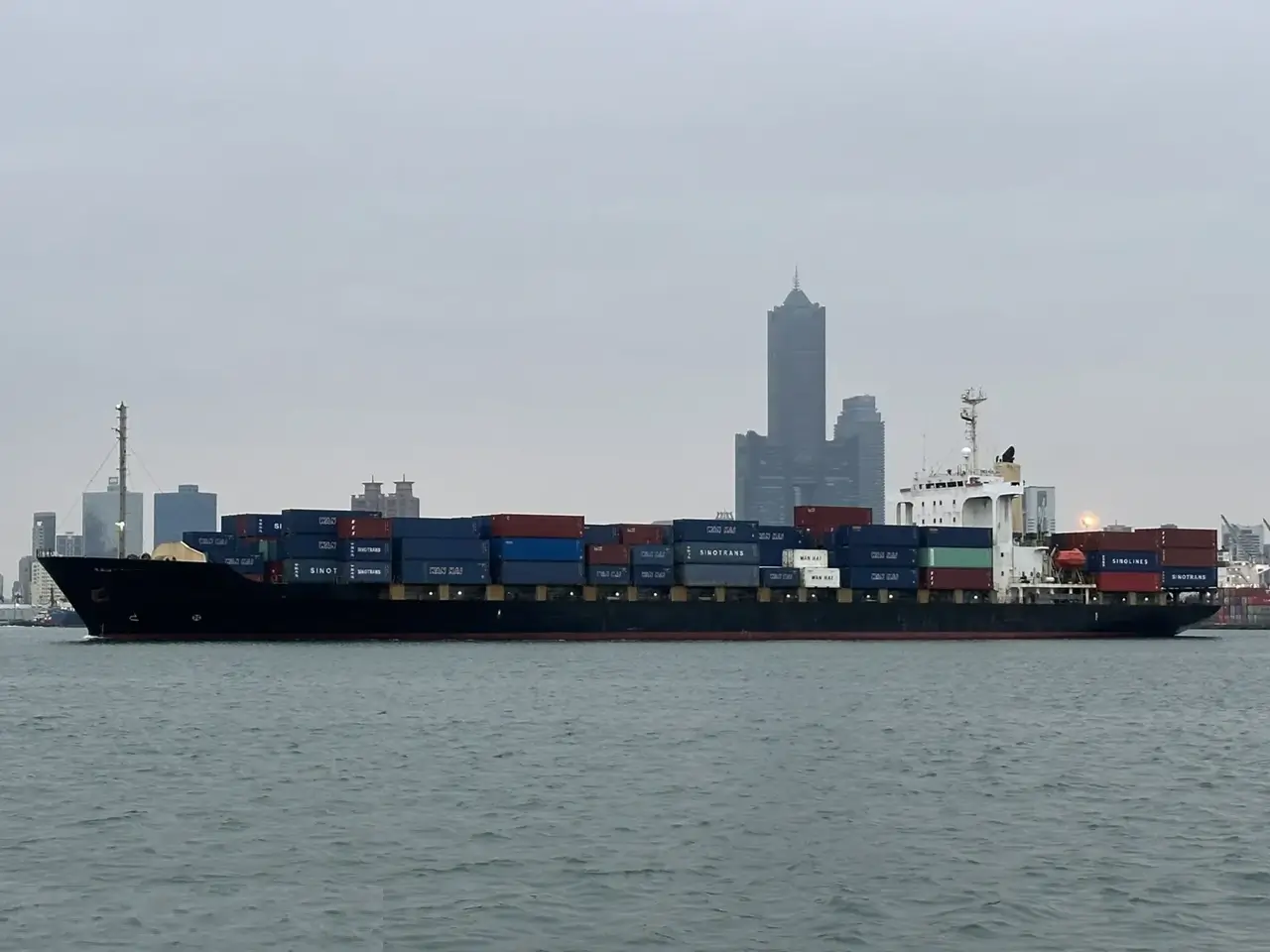
Location: -
Size: 24328DWT
Built Year: 1997
Price: $-
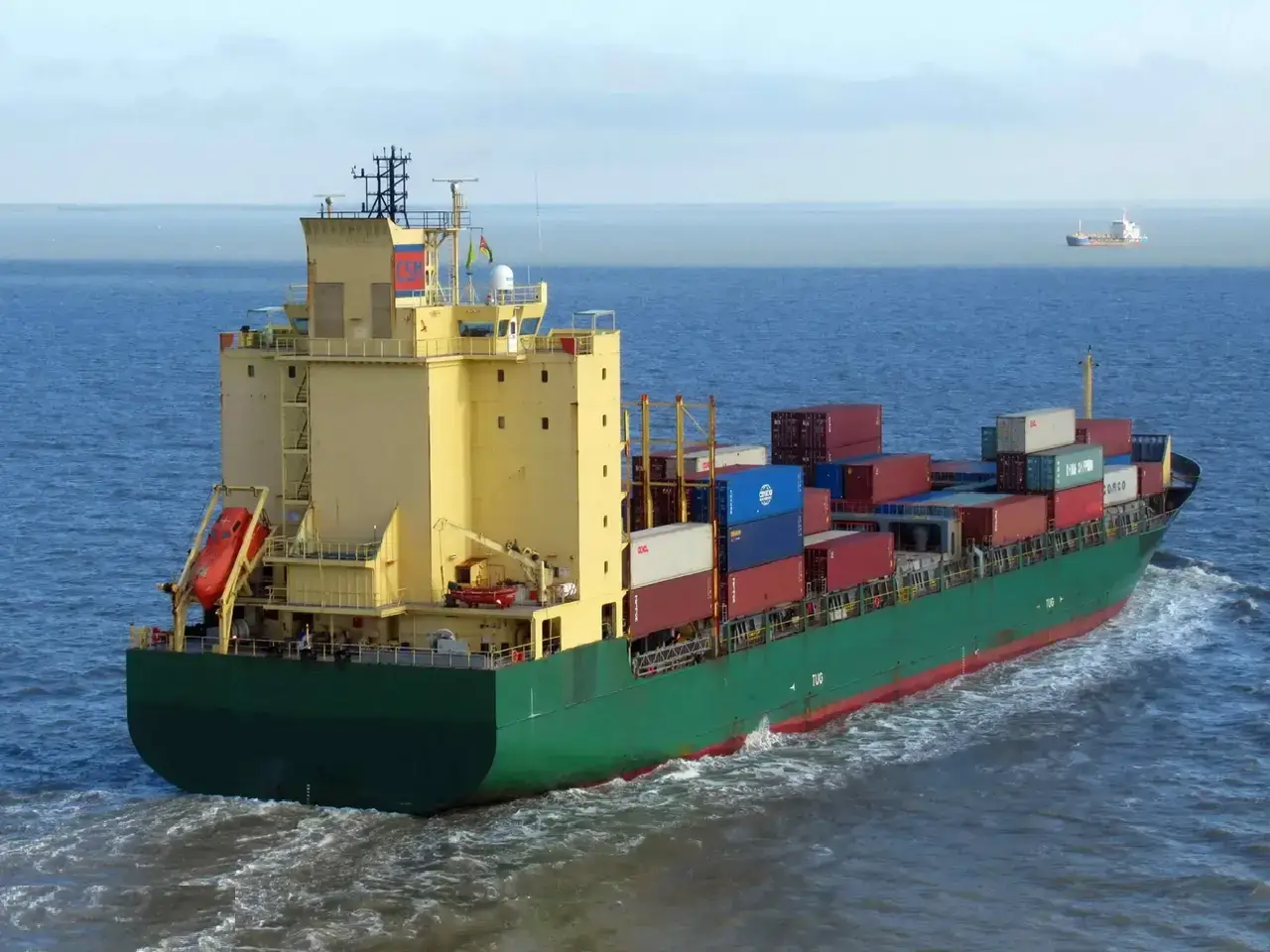
Location: -
Size: 16393DWT
Built Year: 2005
Price: $-
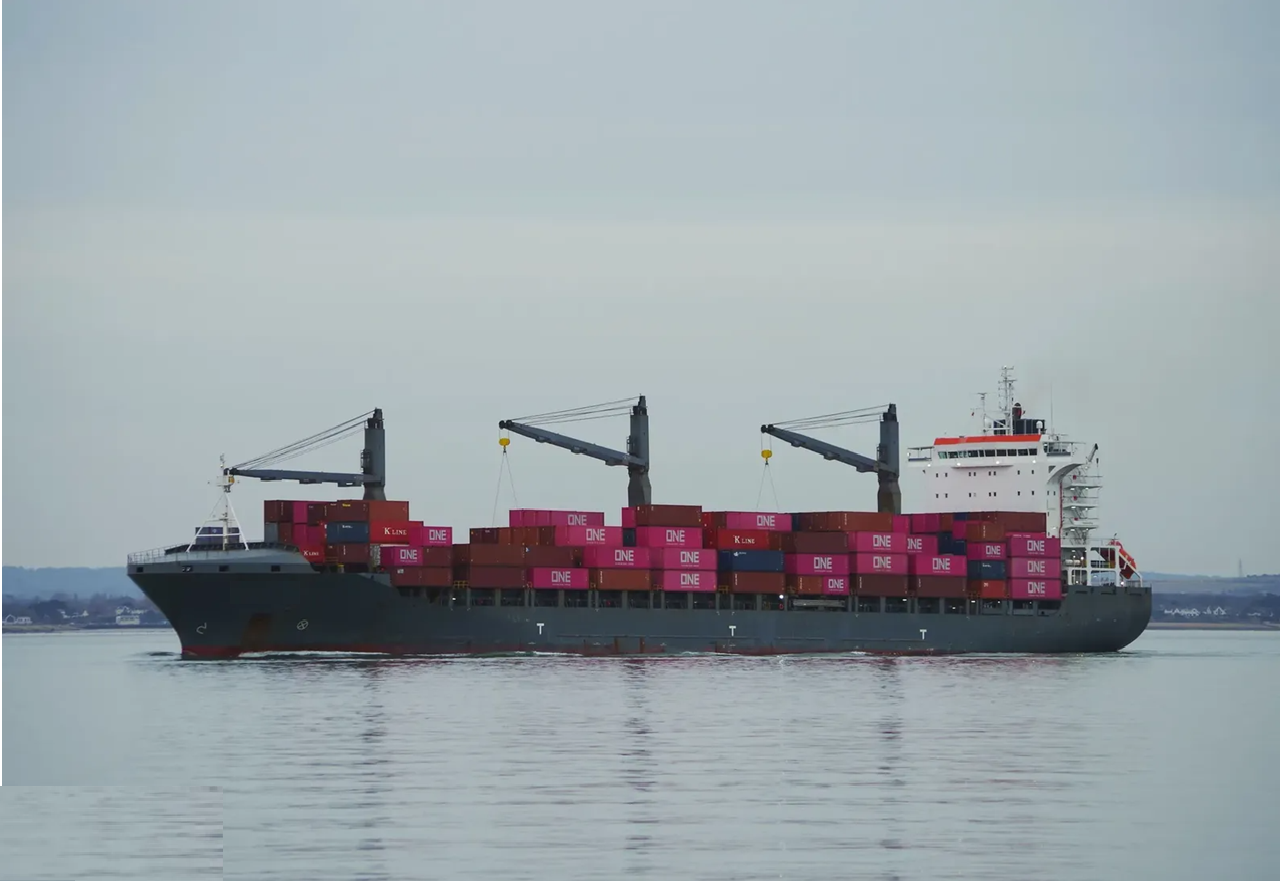
Location: -
Size: 34191DWT
Built Year: 2007
Price: $-
Location: -
Size: 57400DWT
Built Year: 2026
Price: $-
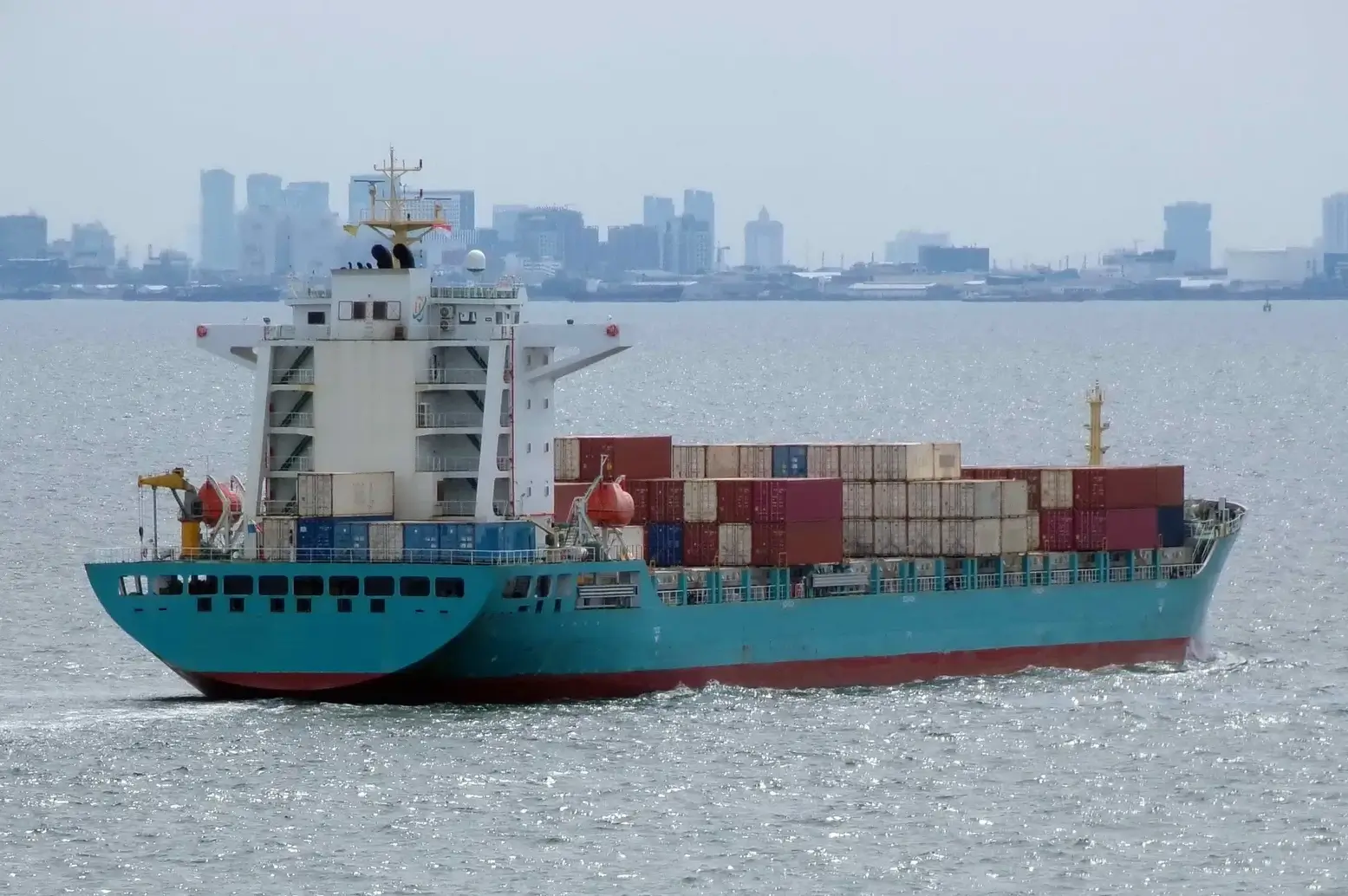
Location: -
Size: 35728DWT
Built Year: 2024
Price: $-
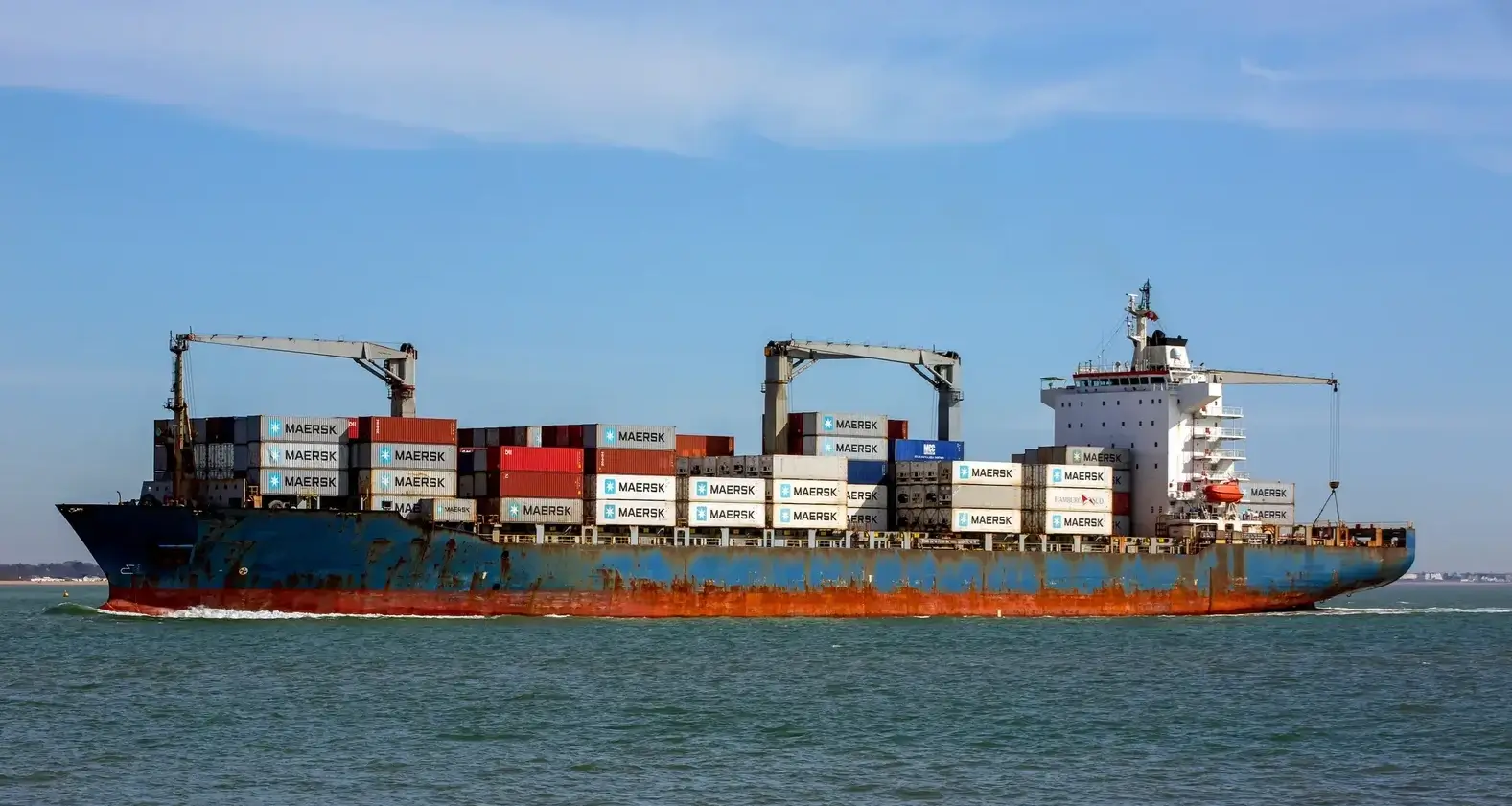
Location: Brazil-Argentina
Size: 34654DWT
Built Year: 2001
Price: $-
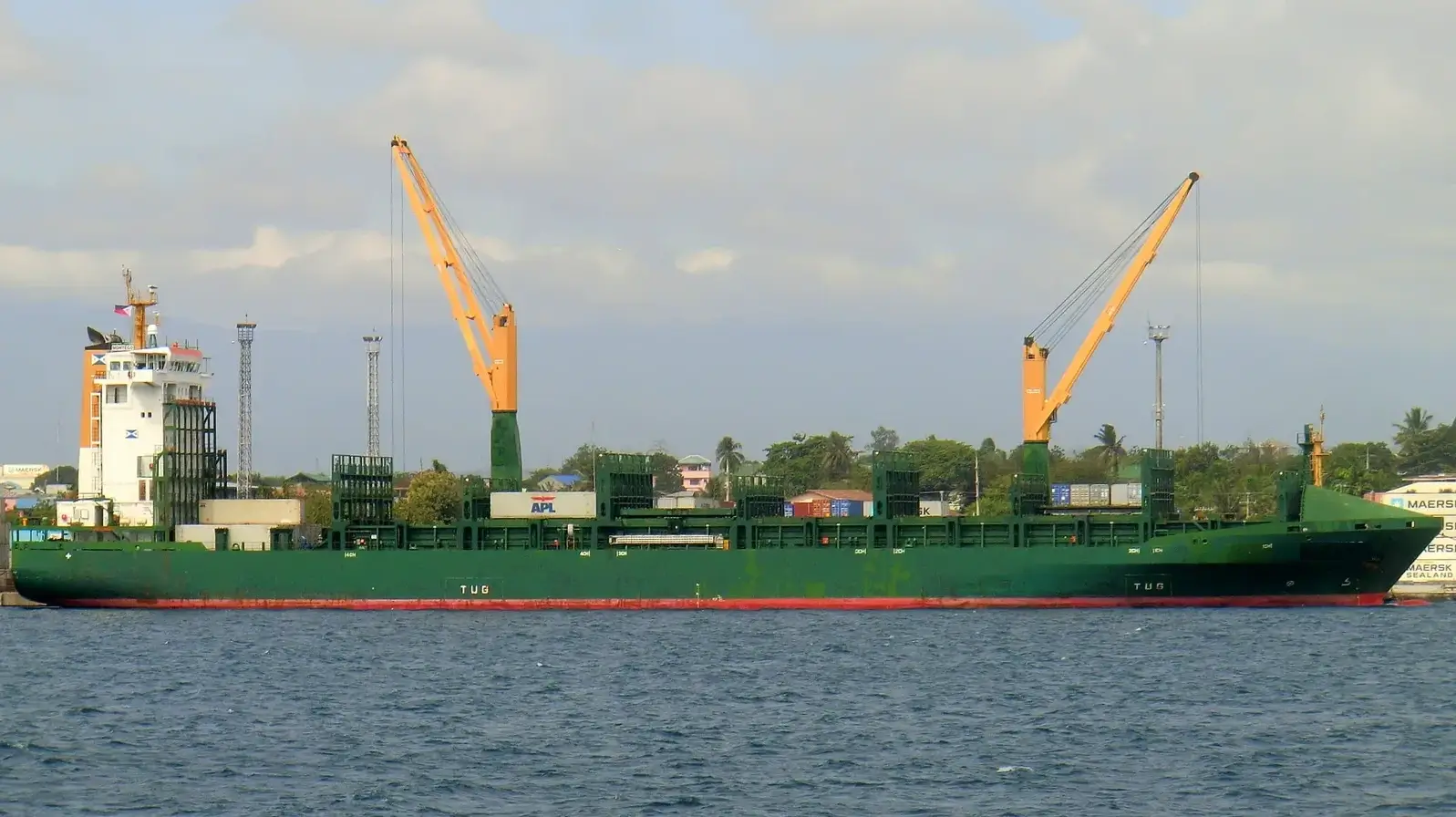
Location: CMA CGM - Kingston-Mexico
Size: 17350DWT
Built Year: 2008
Price: $-
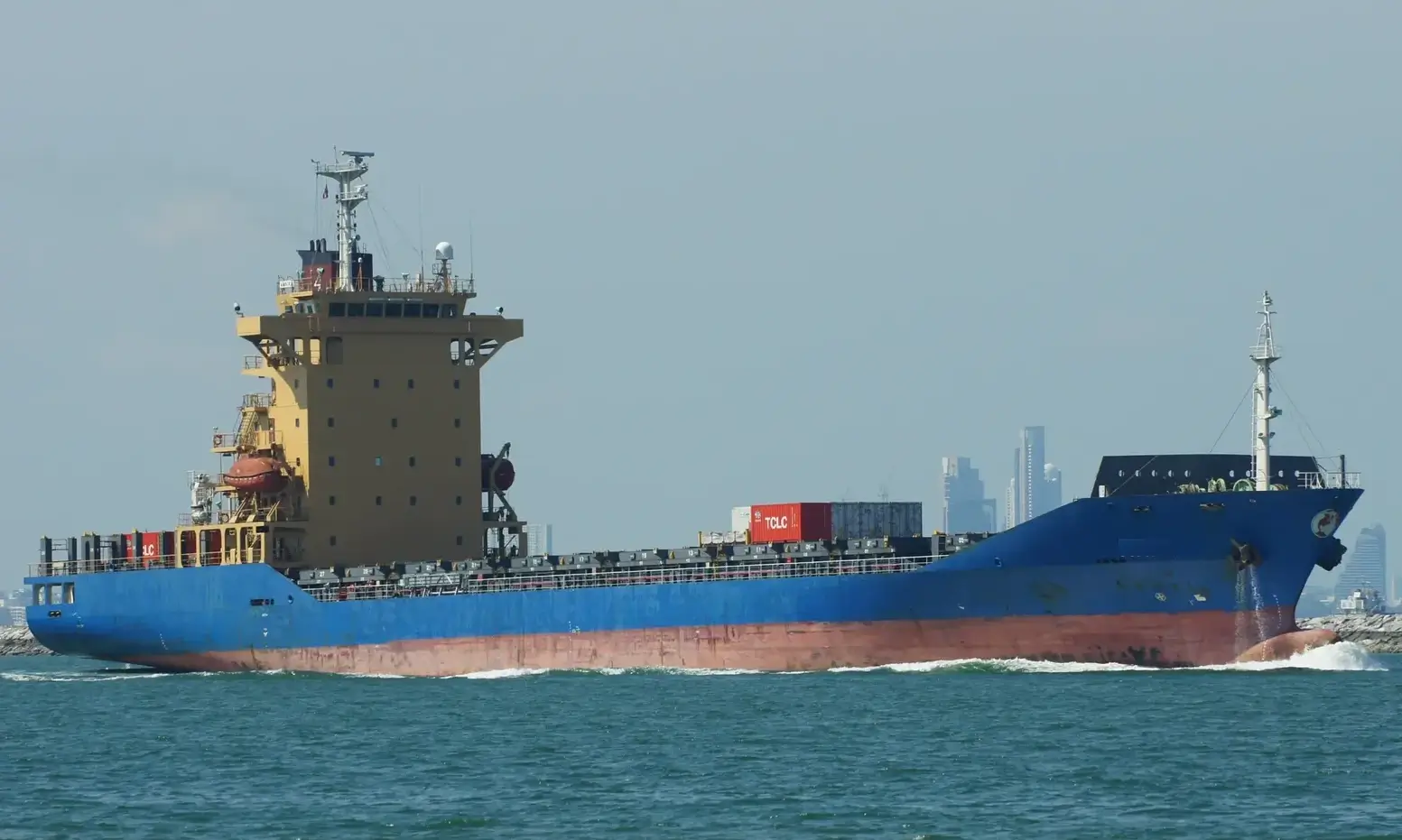
Location: China-Taiwan
Size: 11814DWT
Built Year: 2008
Price: $-
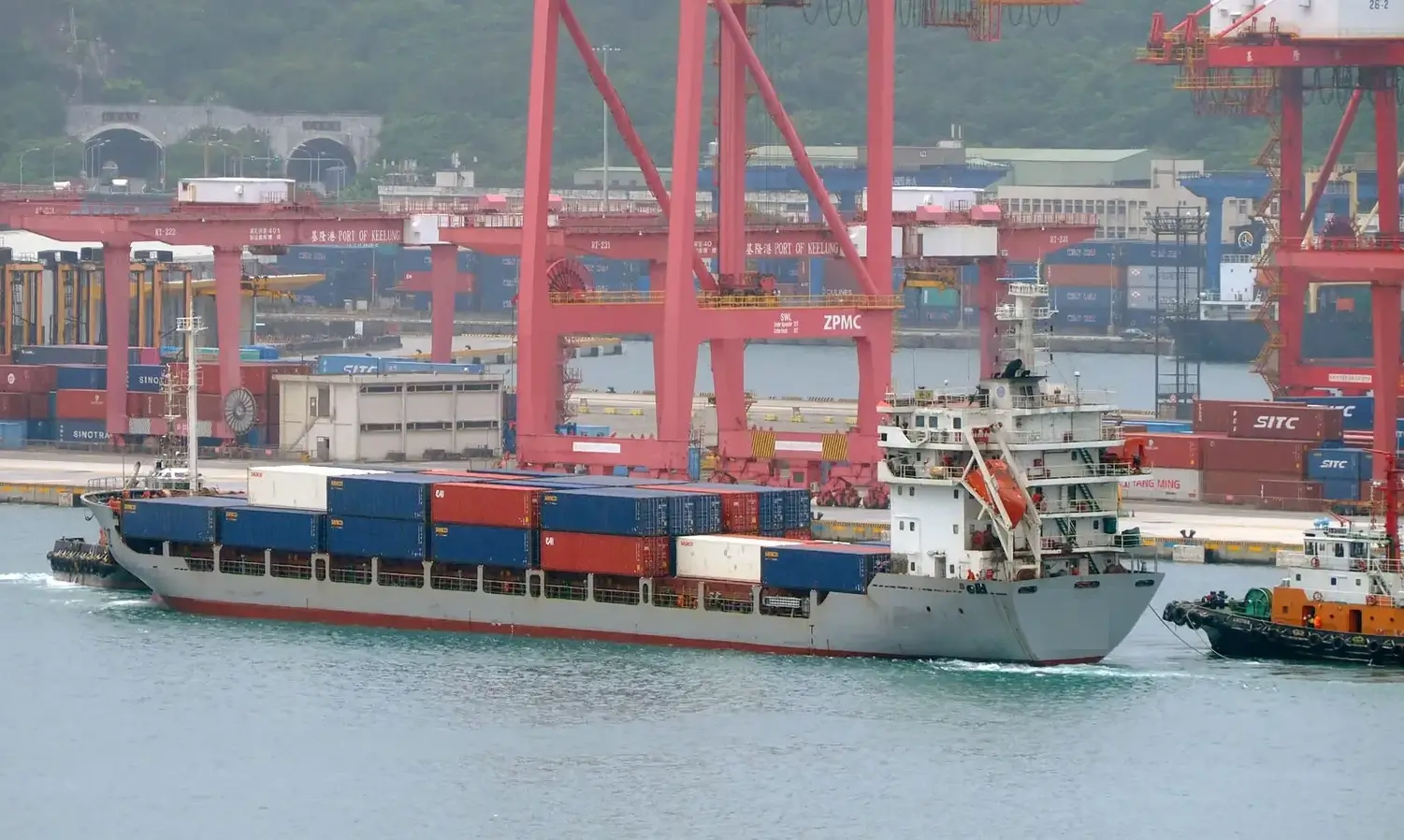
Location: Far East
Size: 6009DWT
Built Year: 2006
Price: $2.6M
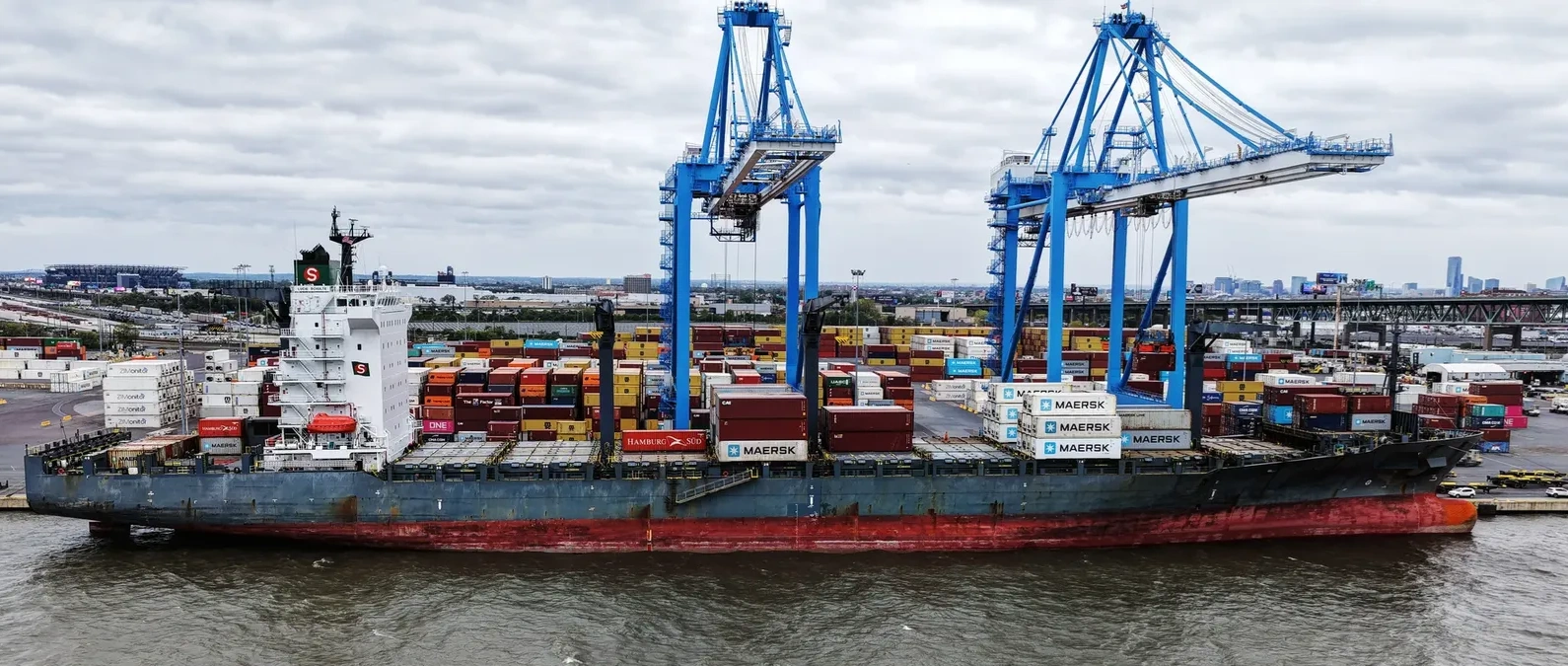
Location: Singapore
Size: 34396 DWT
Built Year: 2006
Price: $-
APS Shipbrokers maintains one of the world's most comprehensive inventories of used container ships for sale. Whether you are an established liner operator expanding your fleet, a regional carrier sourcing reliable feeder tonnage, or a first-time investor entering the container market, we connect you with the right vessel at the right price — from 100 TEU coastal feeders to 24,000 TEU ultra-large carriers.
Our container ship inventory is continuously updated and sourced from premier shipyards in Japan, South Korea, China, and Europe, ensuring proven build quality, fuel efficiency, and strong long-term residual values.
We offer container vessels across every major size category to match your trade route, port infrastructure, and commercial requirements:
Prices reflect current secondhand market conditions and vary based on age, condition, class survey status, charter employment, and prevailing freight rates.
| Vessel Category | Capacity (TEU) | Typical Price Range | Key Trade Routes |
|---|---|---|---|
| Small Feeder | 300 – 700 TEU | USD 2 – 5 million | Island & coastal trades |
| Feeder | 1,000 – 3,000 TEU | USD 5 – 20 million | Intra-Asia, Mediterranean, Caribbean |
| Sub-Panamax | 3,000 – 5,000 TEU | USD 15 – 40 million | Regional mainline, emerging markets |
| Panamax | 5,000 – 8,000 TEU | USD 25 – 60 million | Trans-Pacific, cross-regional |
| Post-Panamax | 8,000 – 14,000 TEU | USD 40 – 100 million+ | Asia–Europe, Transpacific mainline |
| ULCV | 14,000 TEU+ | USD 80 – 200 million+ | High-volume deep-sea trades |
The global container shipping market continues to support demand for quality container ships for sale. Fleet renewal programs, environmental regulations, and changing trade patterns are encouraging operators to acquire modern, fuel-efficient vessels.
Demand remains particularly strong for:
As shipyard delivery slots remain limited for certain vessel classes, many buyers continue to favour a used container ship for sale due to faster acquisition timelines and attractive investment opportunities.
The global container fleet currently stands at approximately 6,500–6,700 active vessels with a combined capacity exceeding 31.4 million TEU. New vessel construction takes 2–3 years from order to delivery. Pre-owned container ships can be acquired and deployed within weeks, Purchasing a second hand container ship for sale offering clear advantages:
Always confirm the vessel is in class with a recognised society — Lloyd's Register (LR), Bureau Veritas (BV), DNV, ABS, or ClassNK — with no outstanding conditions or recommendations. A vessel that has recently completed its Special Survey (required every 5 years) is especially attractive as it minimises near-term capital expenditure for the buyer.
The majority of container ships are powered by slow-speed two-stroke diesel engines — primarily MAN B&W or Wärtsilä — with well-established global service networks. Request engine logbooks, running hours since last overhaul, cylinder liner condition reports, and turbocharger records as part of due diligence.
Leaking hatch covers are among the most common defects on secondhand container ships and can lead to cargo damage claims. An ultrasonic hatch cover test or chalk test before purchase is essential. Any defects found should be remedied by the seller or reflected in the agreed purchase price.
A diver or ROV underwater inspection is strongly recommended before committing to purchase. It assesses hull plating, propeller, rudder, sea chests, and sacrificial anodes. Findings can support price renegotiation and prevent costly post-delivery surprises.
Container ships equipped with their own cranes (geared) can operate in ports without shore-based handling equipment — a significant commercial advantage on feeder routes in developing regions. Gearless vessels are better suited to established mainline trades with fully equipped container terminals.
Vessels with higher reefer plug counts can carry temperature-sensitive cargo — fresh produce, pharmaceuticals, frozen goods — commanding premium freight rates. Reefer capacity is an important revenue differentiator, particularly on short-sea and emerging market routes.
Before signing any Memorandum of Agreement (MOA), request the following documentation from the seller:
After purchasing a container ship, key ongoing operating expenses include:
Typical OPEX for a feeder container ship ranges from USD 3,500 to USD 6,500 per day, depending on size, flag state, and crewing nationality. On a time charter, voyage costs such as bunkers and port charges are borne by the charterer.
Financing is available through specialist maritime lenders including DNB, DVB, ABN AMRO, Hamburg Commercial Bank, and Asian leasing houses. Loan-to-value (LTV) ratios typically range from 55% to 70%, with better terms available when a strong time charter from a creditworthy counterpart is in place. APS Shipbrokers provides ship finance advisory services to help buyers identify the most favourable financing structure for a container ship for sale acquisition.
TEU stands for Twenty-foot Equivalent Unit — the universal measure of container ship capacity. One TEU equals one standard 20-foot shipping container. TEU capacity is the primary metric for assessing a vessel's earning potential and suitability for specific trade routes. It determines which ports and routes the vessel can serve and directly influences charter rates and revenue potential.
Container ships are categorised by size: Small Feeder (under 1,000 TEU), Feeder (1,000–3,000 TEU), Sub-Panamax (3,000–5,000 TEU), Panamax (5,000–8,000 TEU), Post-Panamax (8,000–14,000 TEU), and Ultra Large Container Vessels (ULCV) at 14,000 TEU and above. Each category suits different trade routes and port infrastructure requirements.
The price of a container ship for sale can vary significantly based on size, condition, age, and market demand.. Small feeders (300–700 TEU) typically range from USD 2–5 million. Feeder vessels cost USD 5–20 million. Sub-Panamax USD 15–40 million, Panamax USD 25–60 million, Post-Panamax USD 40–100 million+, and ULCVs can exceed USD 200 million. Final pricing depends on age, class survey status, fuel efficiency, charter employment, and current freight market conditions.
The most widely used open registries are Panama, Marshall Islands, Liberia, Bahamas, and Hong Kong. Flag choice affects crewing regulations, Port State Control risk profile, and financing eligibility. Many buyers re-flag the vessel upon purchase to align with their operational and commercial preferences.
Yes. Many secondhand sales include an ongoing time charter. Buying with a charter provides immediate cash flow but the buyer inherits the charter rate, which may be above or below current market. Buying free of charter gives full operational flexibility but means the vessel must be employed from day one. Our brokers help evaluate both scenarios against your strategy.
The most recognised class societies are Lloyd's Register (LR), Bureau Veritas (BV), DNV, American Bureau of Shipping (ABS), and ClassNK. Always confirm the vessel is in class with no outstanding conditions or recommendations before proceeding with any purchase.
The most widely used contract is the Norwegian Saleform (NSF 2012), recognised internationally by shipbrokers and maritime lawyers. It governs inspection, deposit, delivery, and dispute terms. Always have a qualified maritime lawyer review the Memorandum of Agreement (MOA) before signing.
Key OPEX includes crew wages, maintenance and repairs, lubricating oils, P&I and H&M insurance, ship management fees, dry-docking reserves, and port and canal dues. Typical OPEX for a feeder container ship ranges from USD 3,500 to USD 6,500 per day depending on size and flag state.
Yes. Specialist maritime lenders include DNB, DVB, ABN AMRO, Hamburg Commercial Bank, and Asian leasing houses. LTV ratios typically range from 55% to 70% depending on vessel age and charter backing. A strong time charter from a creditworthy counterpart significantly improves financing terms.
New vessel construction takes 2–3 years. Pre-owned container ships for sale can be acquired and deployed within weeks, allowing operators to respond quickly to changing market conditions, secure time-sensitive business, and expand fleet operations without the long wait of newbuild contracts — at competitive valuations with documented operational histories.
APS Shipbrokers is a specialist maritime brokerage firm providing access to container ships for sale, bulk carriers, tankers, offshore vessels, Ro-Ro ships, ferries, barges, and other commercial vessel types worldwide.
Whether you are seeking a container ship for sale, container vessel for sale, feeder container ship for sale, or used container carrier for sale, APS Shipbrokers delivers professional support throughout the acquisition process.
APS Shipbrokers is a full-service maritime brokerage firm specializing in the container ship for sale and purchase of container ships and all major vessel types worldwide — including bulk carriers, oil and product tankers, chemical tankers, LPG carriers, offshore support vessels (OSV), platform supply vessels (PSV), anchor handling tugs (AHTS), Ro-Ro and car carriers, general cargo ships, passenger ferries, tugs, barges, and dredgers.
Backed by deep market intelligence, a strong international network, and a commitment to transparency and confidentiality, APS Shipbrokers serves shipowners, operators, and investors across all sectors of global shipping. Our services extend beyond brokerage to include ship finance advisory, investment advisory, marine consultancy, vessel inspections, and regulatory compliance support.
Our global network provides access to:
Ready to explore our current container ship inventory? Contact our specialist container brokers today for personalized guidance, exclusive listings, and end-to-end transaction support from search through to delivery.