☰
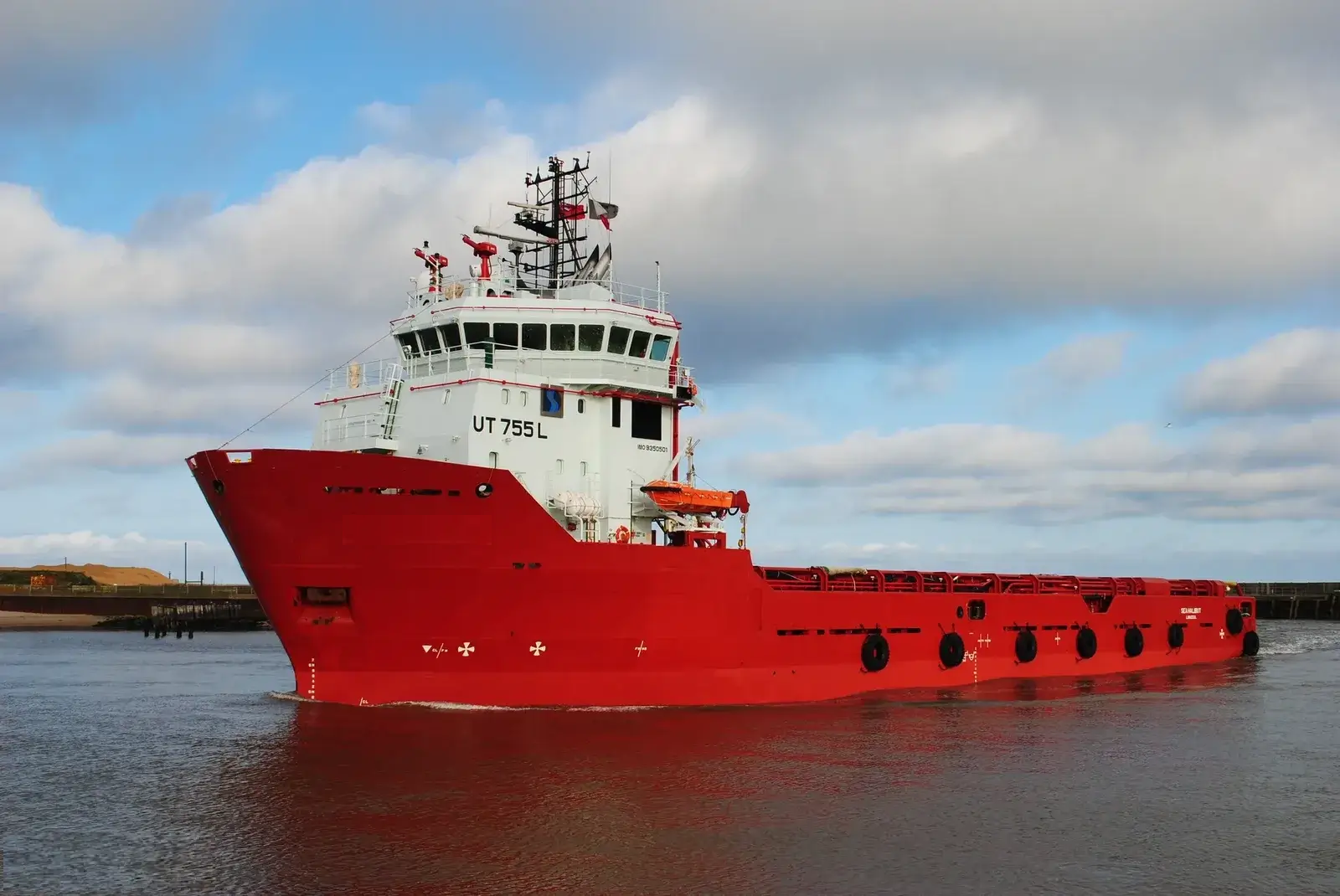
Location: -
Size: 3241DWT
Built Year: 2007
Price: $-
Location: -
Size: -
Built Year: 2010
Price: $-
Location: -
Size: -
Built Year: 2006
Price: $-
Location: -
Size: -
Built Year: 2026
Price: $-
Location: -
Size: -
Built Year: 2010
Price: $-
The offshore marine market moves fast. Whether you're acquiring an anchor handling tug, a platform supply vessel, or a specialist offshore support vessel, making the right purchase demands current market knowledge, technical insight, and a trusted broker who understands your operational requirements.
APS Ship Brokers specializes in the sale and acquisition of offshore vessels across every major sector of the industry. Our team works with shipowners, operators, energy companies, and investors globally — providing access to quality tonnage, transparent transactions, and end-to-end brokerage support.
From single vessel acquisitions to full fleet solutions, we bring buyers and sellers together with confidence.
Powerful. Versatile. In Demand.
Anchor Handling Tug Supply vessels are among the most operationally critical assets in the offshore energy sector. Designed to handle anchors, tow drilling rigs, and supply offshore platforms, AHTS vessels combine enormous bollard pull with large deck cargo capacity.
APS Ship Brokers maintains access to a broad range of AHTS vessels for sale — from compact coastal units to deep-water capable vessels exceeding 200 tonnes bollard pull.
The Backbone of Offshore Logistics.
Platform Supply Vessels transport equipment, fuel, water, and supplies to offshore rigs and platforms. Reliable and highly regulated, PSVs are in consistent demand across offshore basins.
Versatile Assets for a Changing Industry.
Offshore Support Vessels support drilling, construction, survey, ROV, and subsea operations. They are increasingly used in offshore wind, cable-laying, and environmental monitoring.
Speed, Safety, and Efficiency.
Fast crew boats transport personnel and urgent cargo between shore bases and offshore installations under strict regulatory frameworks.
Our network spans Europe, the Middle East, Southeast Asia, West Africa, and the Americas.
We specialize exclusively in offshore marine assets, understanding MARPOL regulations, IMO requirements, DP systems, and offshore charter structures.
Every sale is handled with full transparency and coordinated independent surveys.
We assist from initial search through MoA preparation and closing coordination.
Our commission structures are straightforward and focused on efficient deal closure.
Specify vessel type, size, class, operational capability, budget, and timeline.
We present detailed specifications, class status, survey history, and pricing.
Independent surveys and technical risk evaluation before offer submission.
Market-aligned negotiation to secure fair pricing and contract terms.
MoA preparation, legal coordination, escrow management, and delivery oversight.
Following the 2014–2016 oil downturn, many offshore vessels were laid up. Rising energy demand and offshore wind expansion have tightened supply and increased utilization rates.
DP2 and DP3 vessels with current class attract strong demand and sell quickly. Sellers are achieving improved valuations compared to recent years.
Question 1: What types of offshore ships are available in the market?
Answer: The offshore vessel market includes a wide range of specialized ships, such as:
• Platform Supply Vessels (PSV)
• Anchor Handling Tug Supply (AHTS) vessels
• Offshore Support Vessels (OSV)
• Multi-Purpose Support Vessels (MPSV)
• Construction Support Vessels
• Crew Boats & Fast Support Vessels
• Accommodation & Floatel vessels
• Offshore Patrol Vessels (OPV)
Each vessel type is designed for specific oil & gas, offshore wind, subsea, marine construction, or maritime security operations.
Question 2: Why buy a used offshore ship instead of ordering a newbuilding?
Answer: Purchasing a used offshore ship provides:
• Immediate delivery
• Lower capital investment
• Proven operational performance
• Faster entry into offshore energy or renewable projects
Newbuild offshore vessels typically require 18–36 months for construction, whereas a ready vessel can often be delivered within weeks.
Question 3: What is the difference between PSV and AHTS vessels?
Answer:
Platform Supply Vessel (PSV): Designed to transport drilling fluids, fuel, water, and equipment to offshore rigs.
Anchor Handling Tug Supply (AHTS): More powerful vessels used for anchor handling, rig towing, and heavy offshore operations.
The correct vessel choice depends on your operational contract requirements and offshore project scope.
Question 4: What technical factors should I consider when buying an offshore ship?
Answer: Key considerations include:
• Vessel age and overall condition
• Dynamic Positioning (DP1 / DP2 / DP3) capability
• Bollard pull (for AHTS vessels)
• Deck cargo capacity (DWT)
• Fuel consumption and engine efficiency
• Class certification and flag state
• Special Survey (SS) and Dry Dock (DD) status
• IMO and environmental compliance
A comprehensive technical due diligence inspection is strongly recommended before purchase.
Question 5: What is Dynamic Positioning (DP) and why is it important?
Answer: Dynamic Positioning (DP) systems allow offshore vessels to maintain their position automatically using thrusters and GPS without anchoring.
• DP1 – Basic redundancy
• DP2 – Enhanced redundancy (industry standard for offshore oil & wind projects)
• DP3 – Highest redundancy for critical offshore operations
DP2 vessels are generally preferred for offshore oil & gas and renewable energy projects.
Question 6: What is the typical price range of offshore ships for sale?
Answer: Pricing varies by vessel type, age, and specifications:
• Small Crew Boats: USD 2–8 million
• PSV (3,000–4,000 DWT): USD 6–20 million
• AHTS (8,000–20,000 BHP): USD 8–30 million
• MPSV / Construction Vessels: USD 25–80+ million
• Accommodation / Specialized Units: USD 30–100+ million
Offshore oil & gas market cycles significantly influence vessel valuations.
Question 7: Are offshore vessels compliant with IMO regulations?
Answer: Modern offshore vessels typically comply with:
• IMO 2020 sulfur cap regulations
• Ballast Water Treatment System (BWTS) requirements
• EEXI and CII efficiency standards
• SOLAS safety regulations
Older vessels may require upgrades depending on trading region and flag requirements.
Question 8: How long does it take to complete the purchase?
Answer: The transaction process generally takes 4–8 weeks after signing the Memorandum of Agreement (MOA), depending on inspection results, sea trials, documentation review, and financing arrangements.
Question 9: What industries use offshore ships?
Answer: Offshore vessels support:
• Offshore oil & gas exploration and production
• Offshore wind farm installation and maintenance
• Subsea construction and cable laying
• Marine civil engineering
• Naval and coast guard operations
Selecting the right vessel depends on the intended industry sector and operational profile.
Question 10: Why choose APS Shipbrokers when looking for an offshore ship?
Answer: APS Shipbrokers provides:
• Access to a global offshore vessel database
• Technical evaluation and inspection coordination
• Market pricing intelligence
• Professional negotiation and contract management
• Complete documentation and delivery support
Our experienced offshore brokers ensure a secure and efficient transaction process from vessel selection to final delivery.