☰
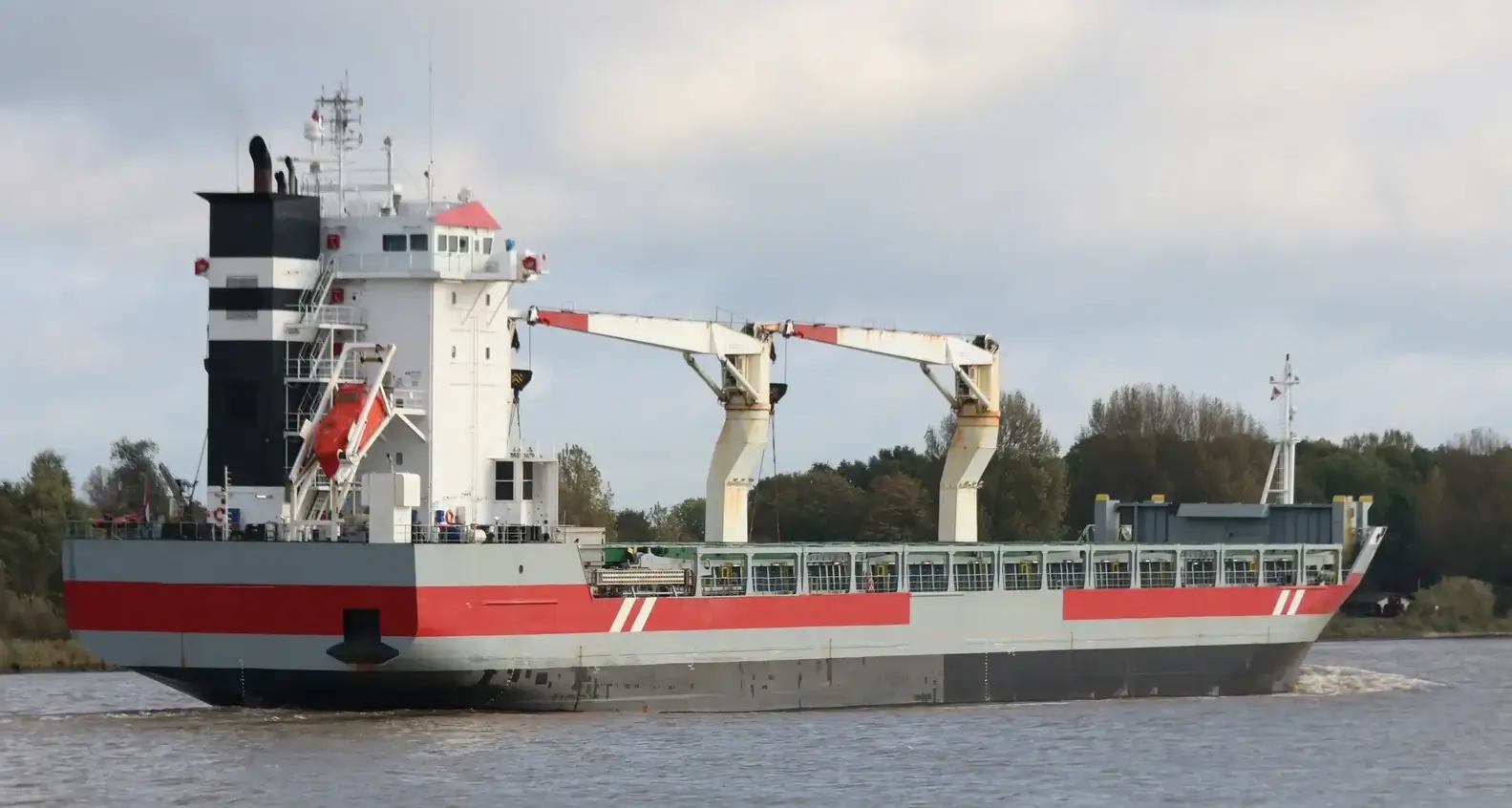
Location: Atlantic / Med
Size: 17356DWT
Built Year: 2006
Price: $-
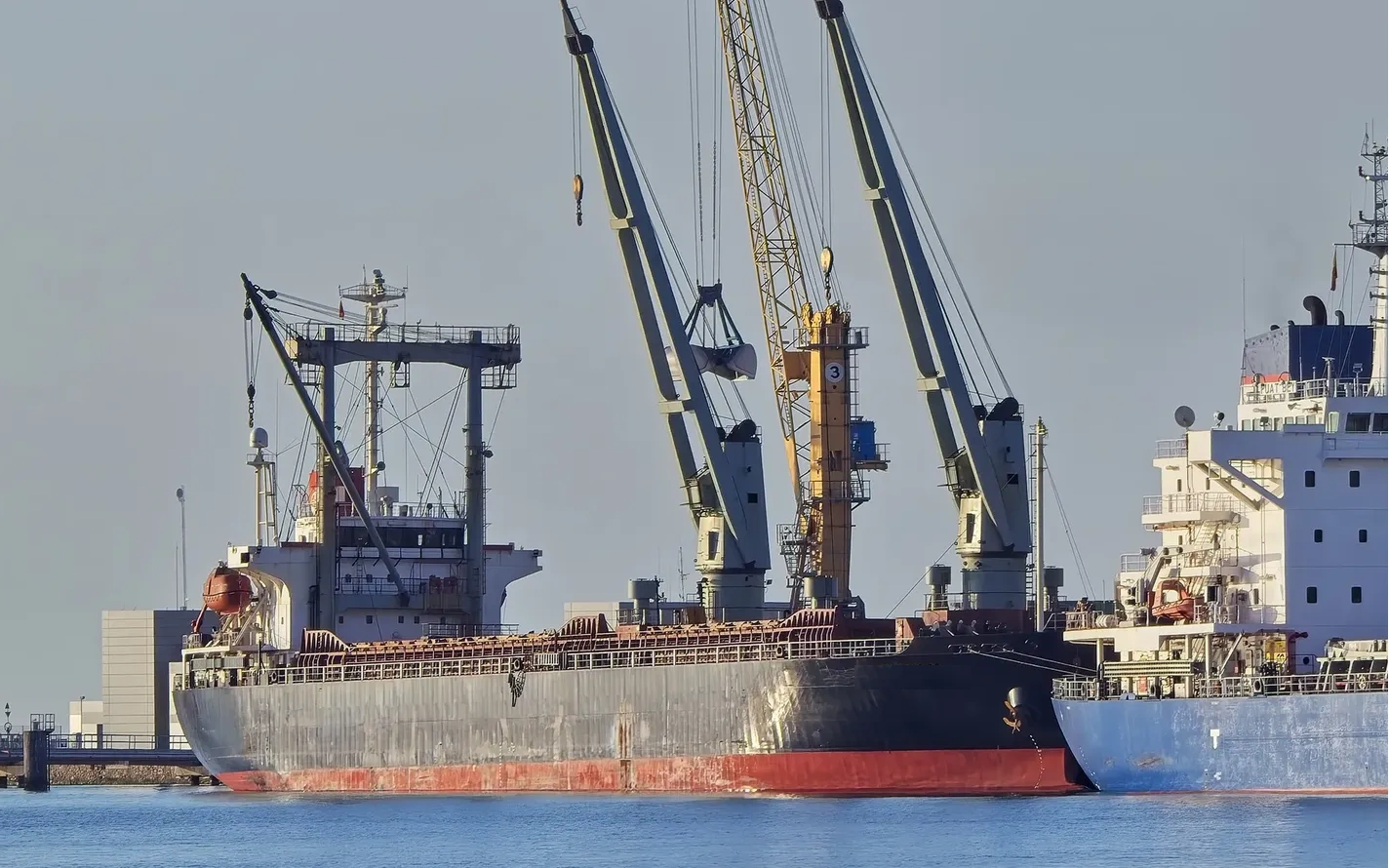
Location: Kotka Port, Finland.
Size: 11776DWT
Built Year: 2006
Price: $-
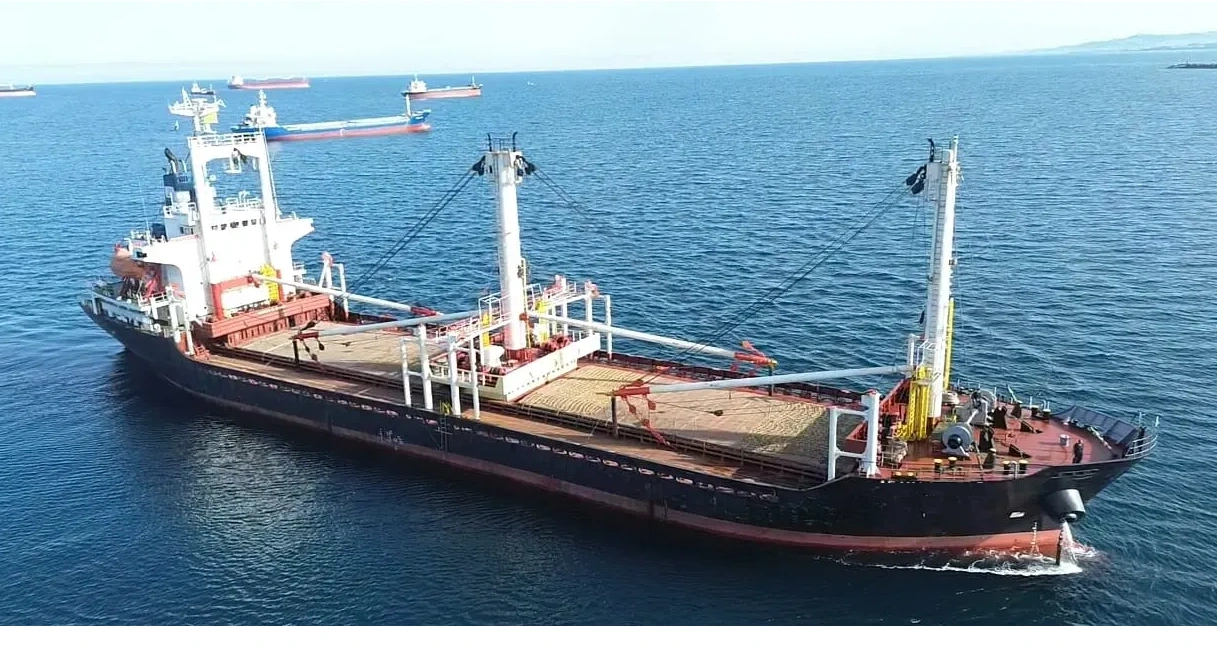
Location: MED - B.SEA Range
Size: 8595DWT
Built Year: 1999
Price: $-
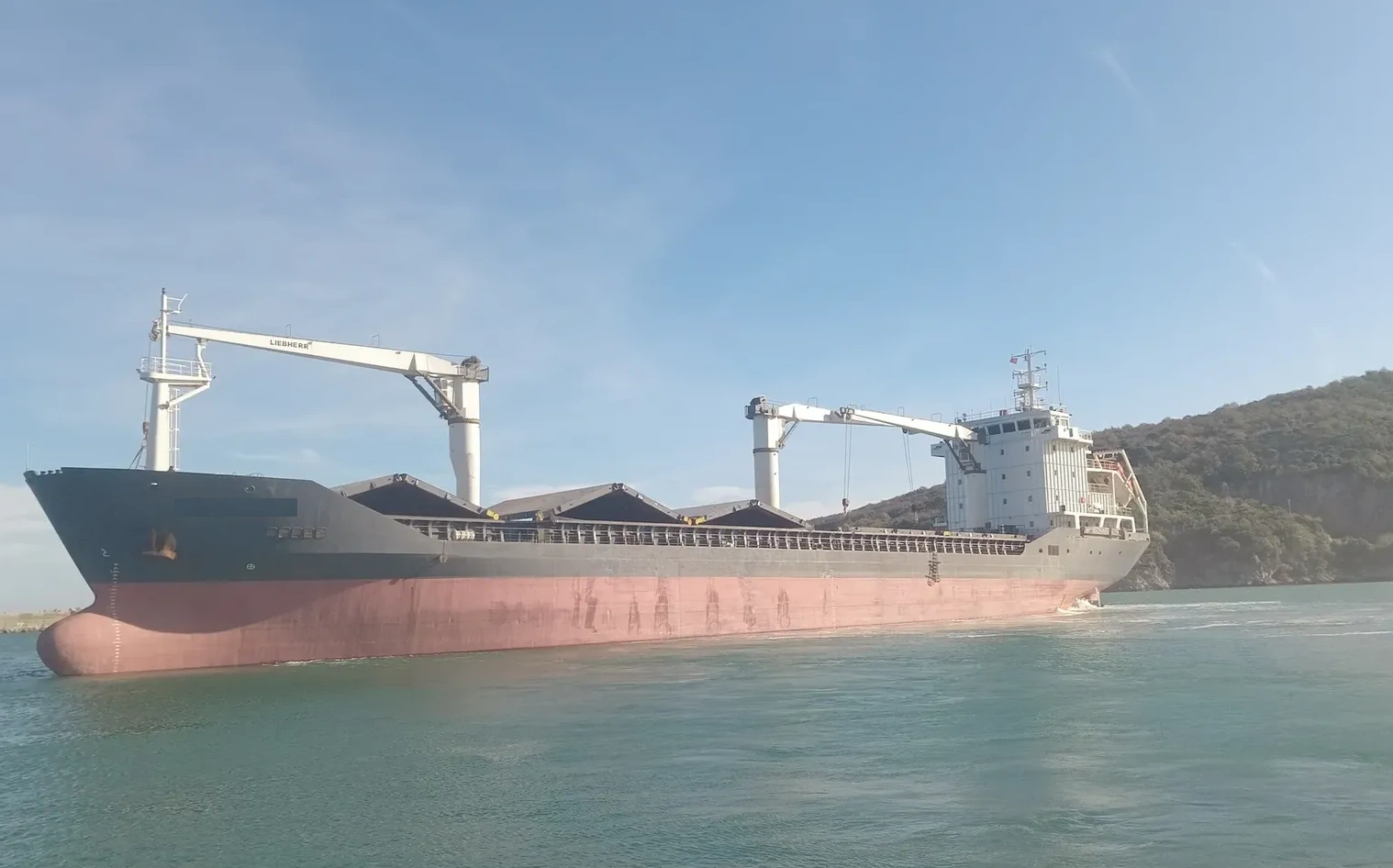
Location: -
Size: 7073DWT
Built Year: 2006
Price: $-
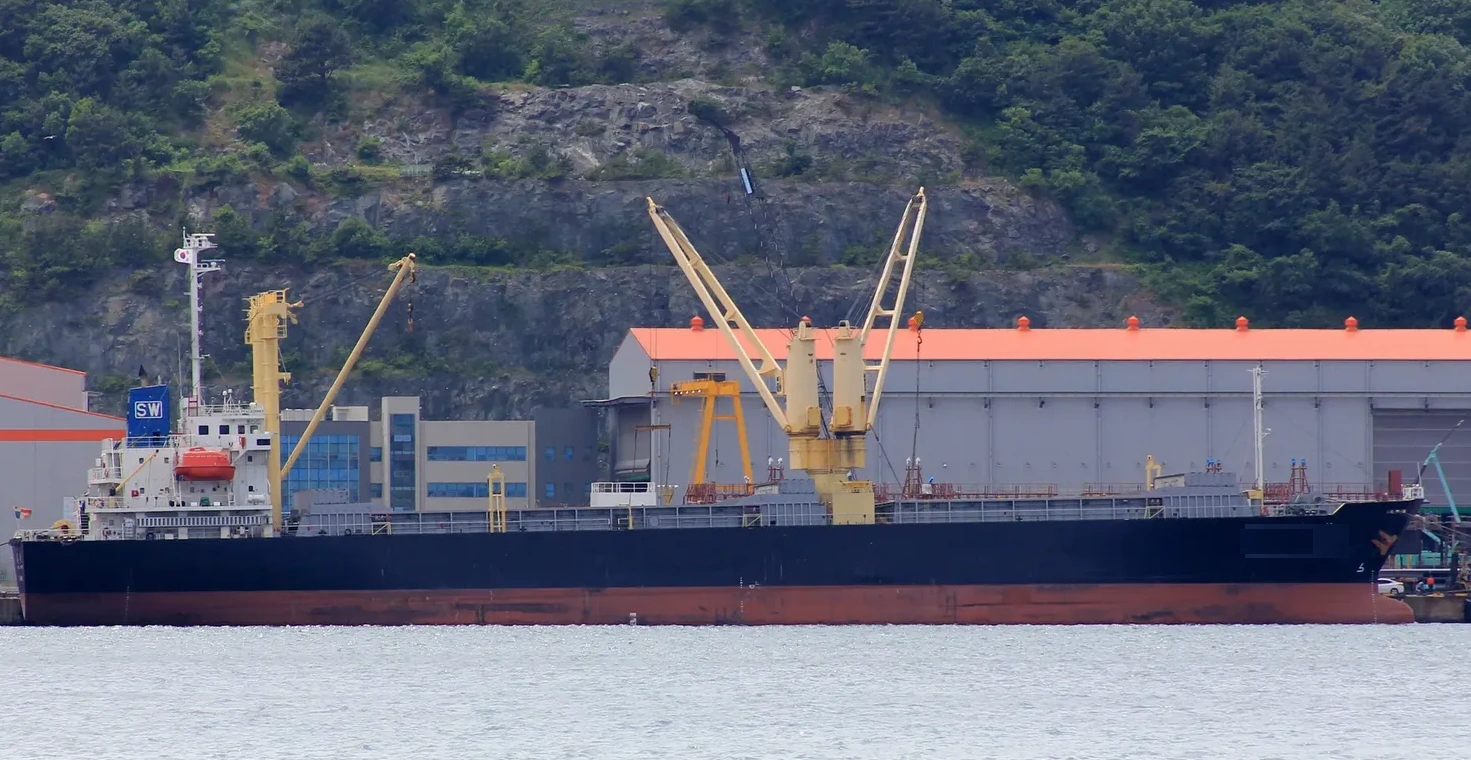
Location: -
Size: 12126DWT
Built Year: 1999
Price: $-
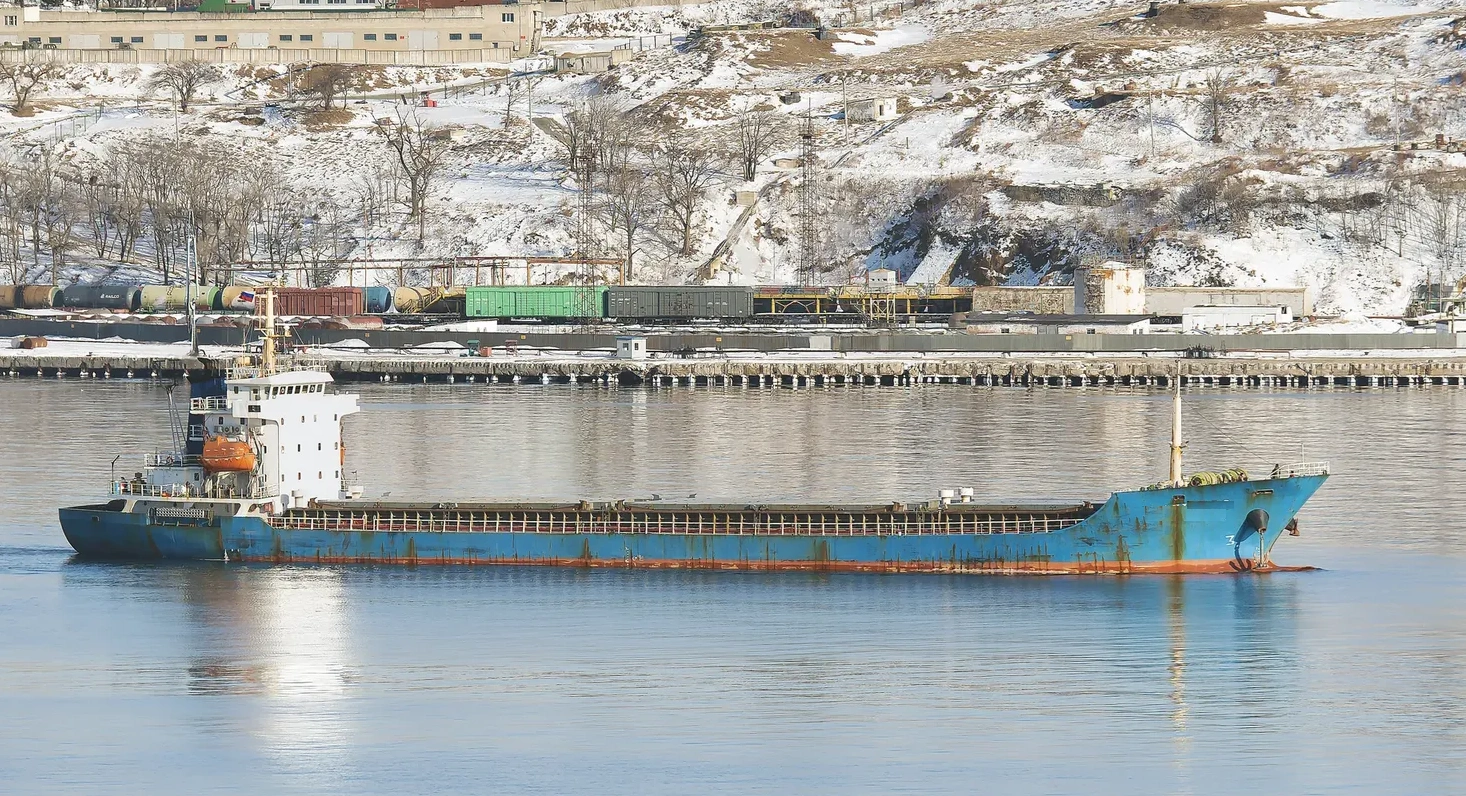
Location: -
Size: 6500DWT
Built Year: 2006
Price: $-
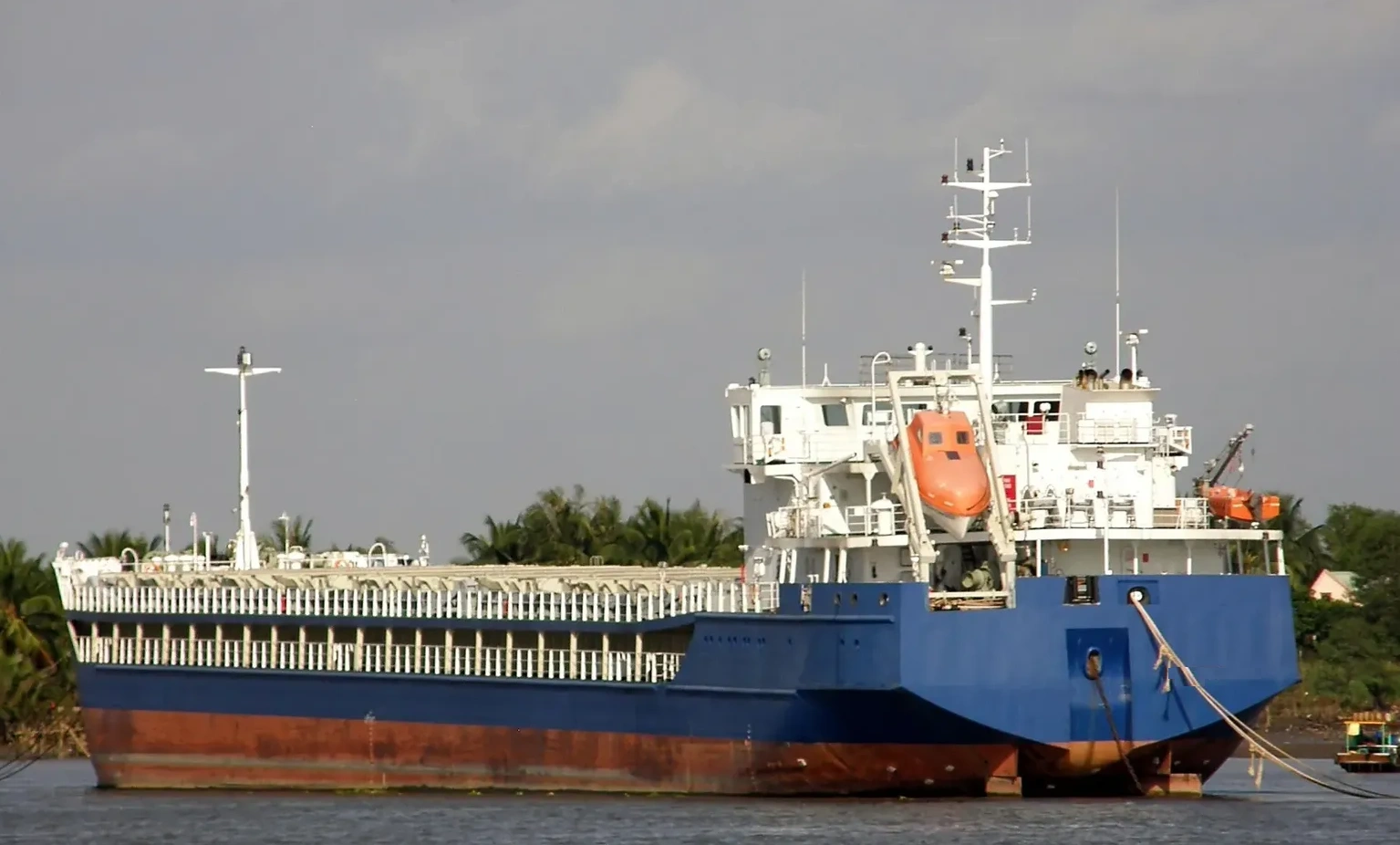
Location: Gibdock in Gibraltar
Size: 5465DWT
Built Year: 2012
Price: $-
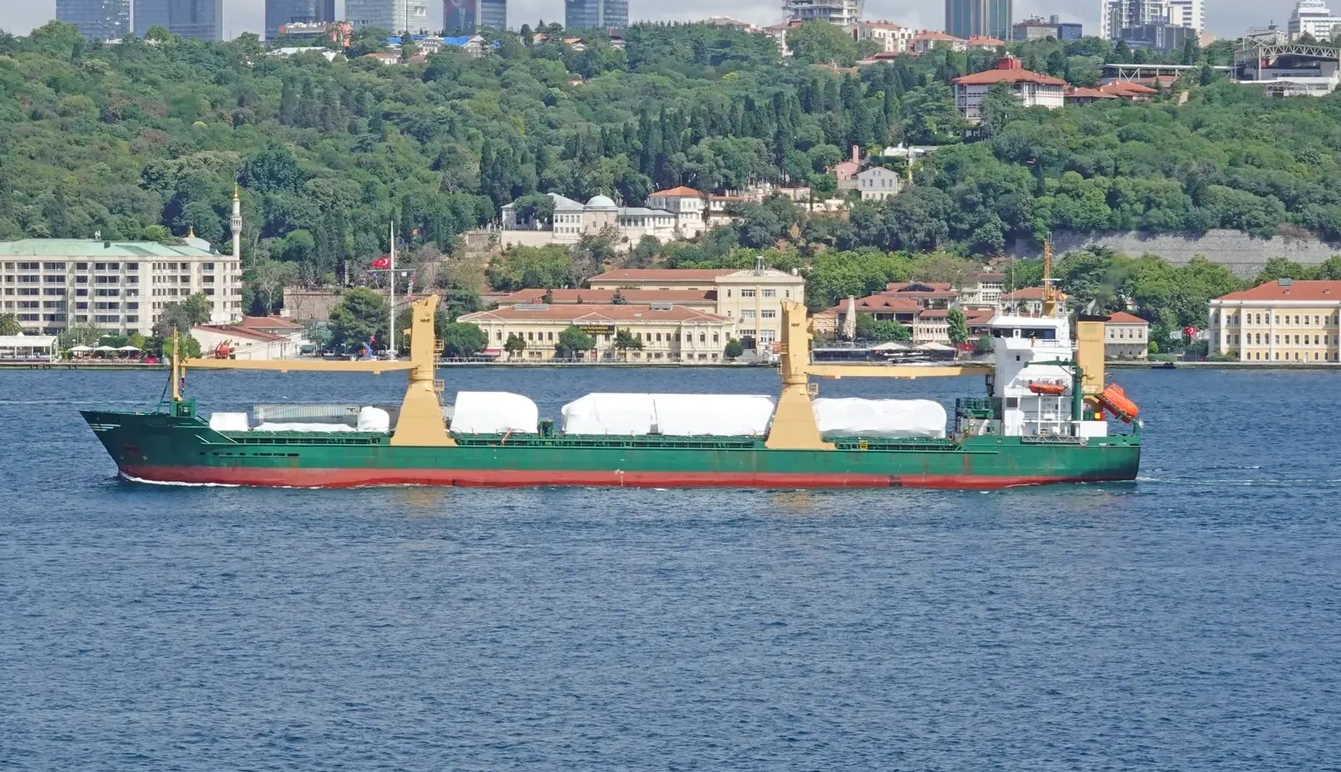
Location: Baltic/Cont/Med.
Size: 7763DWT
Built Year: 2005
Price: $-
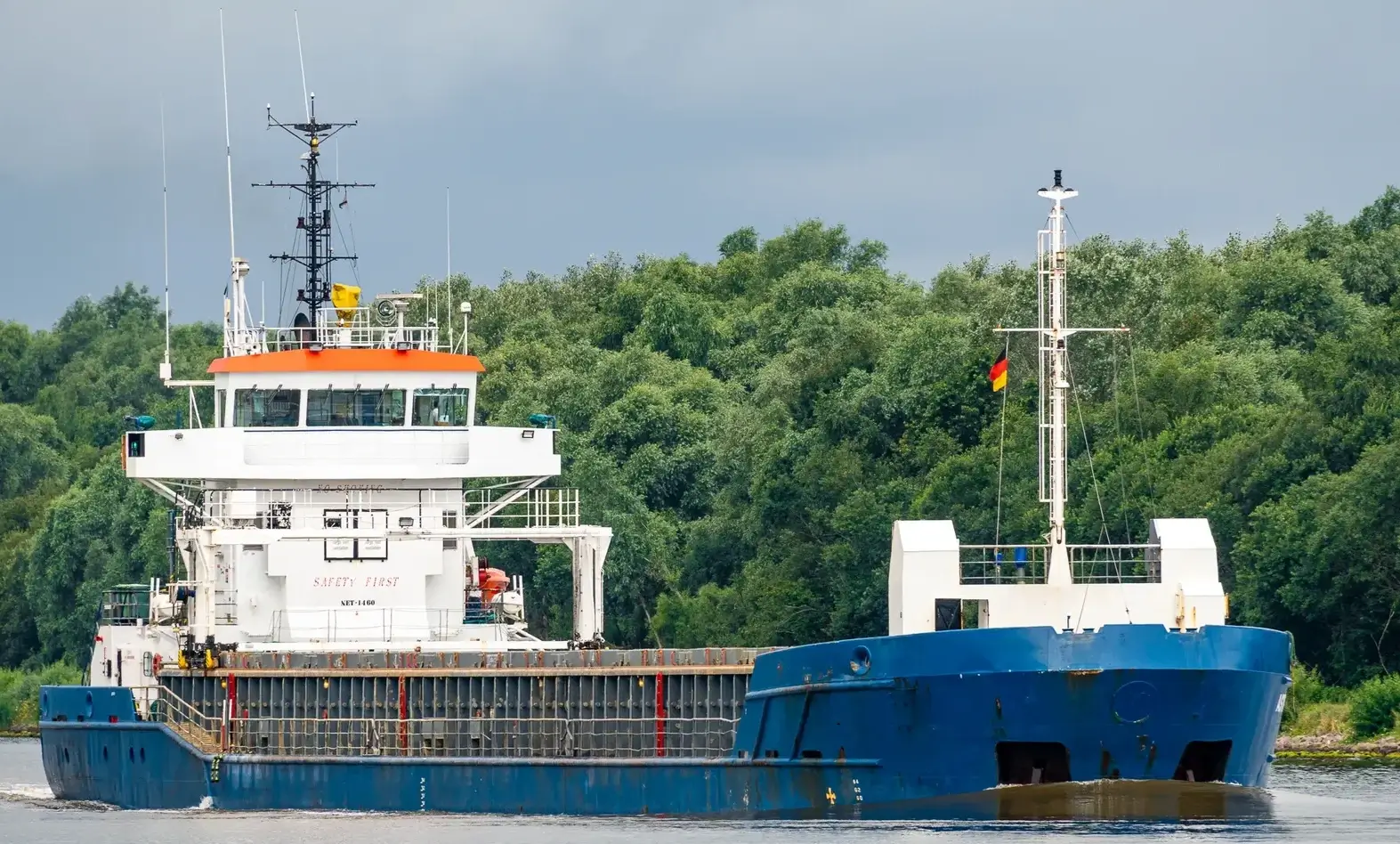
Location: -
Size: 3850DWT
Built Year: 2001
Price: $-
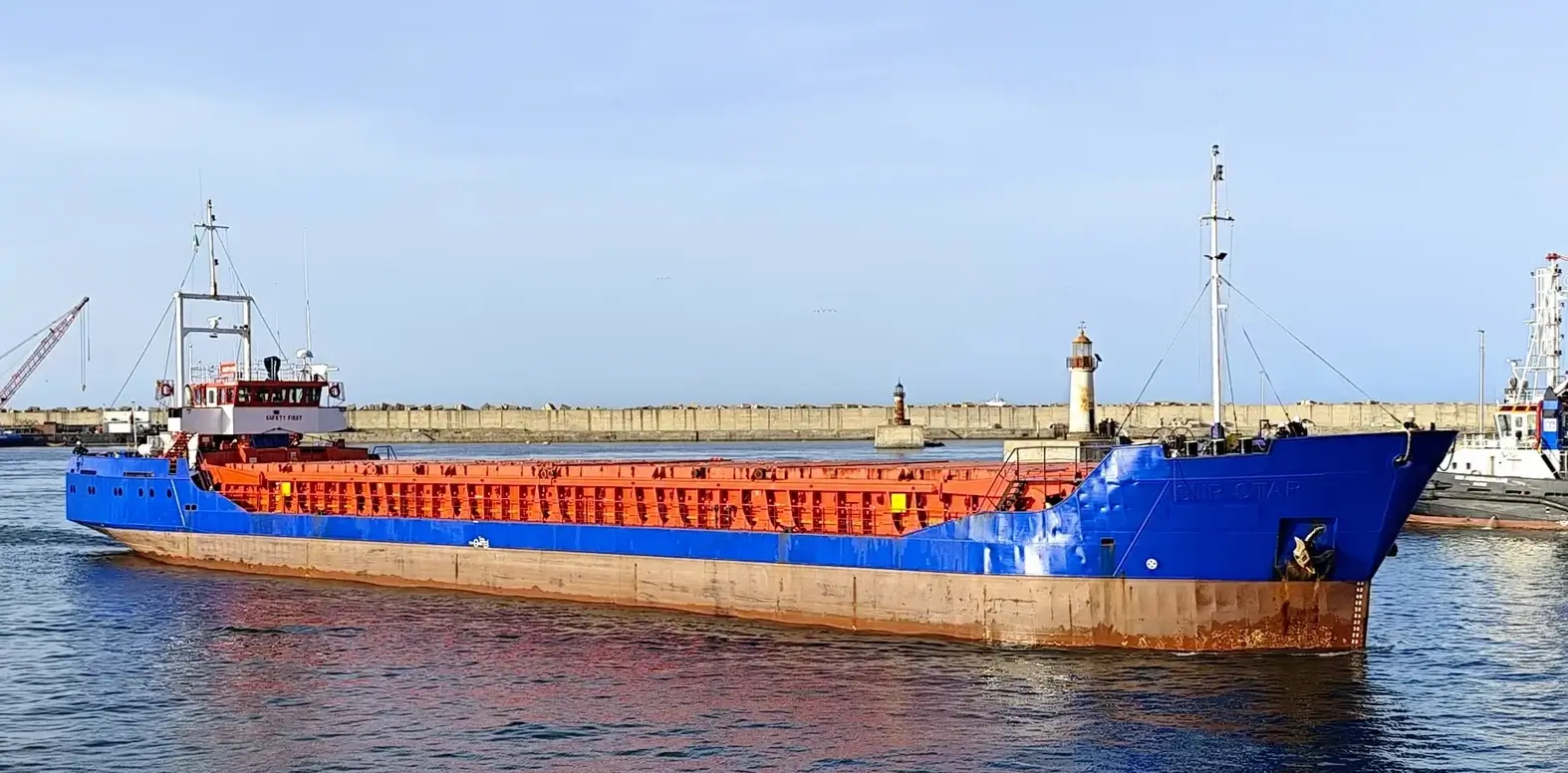
Location: -
Size: 2644DWT
Built Year: 1990
Price: $-
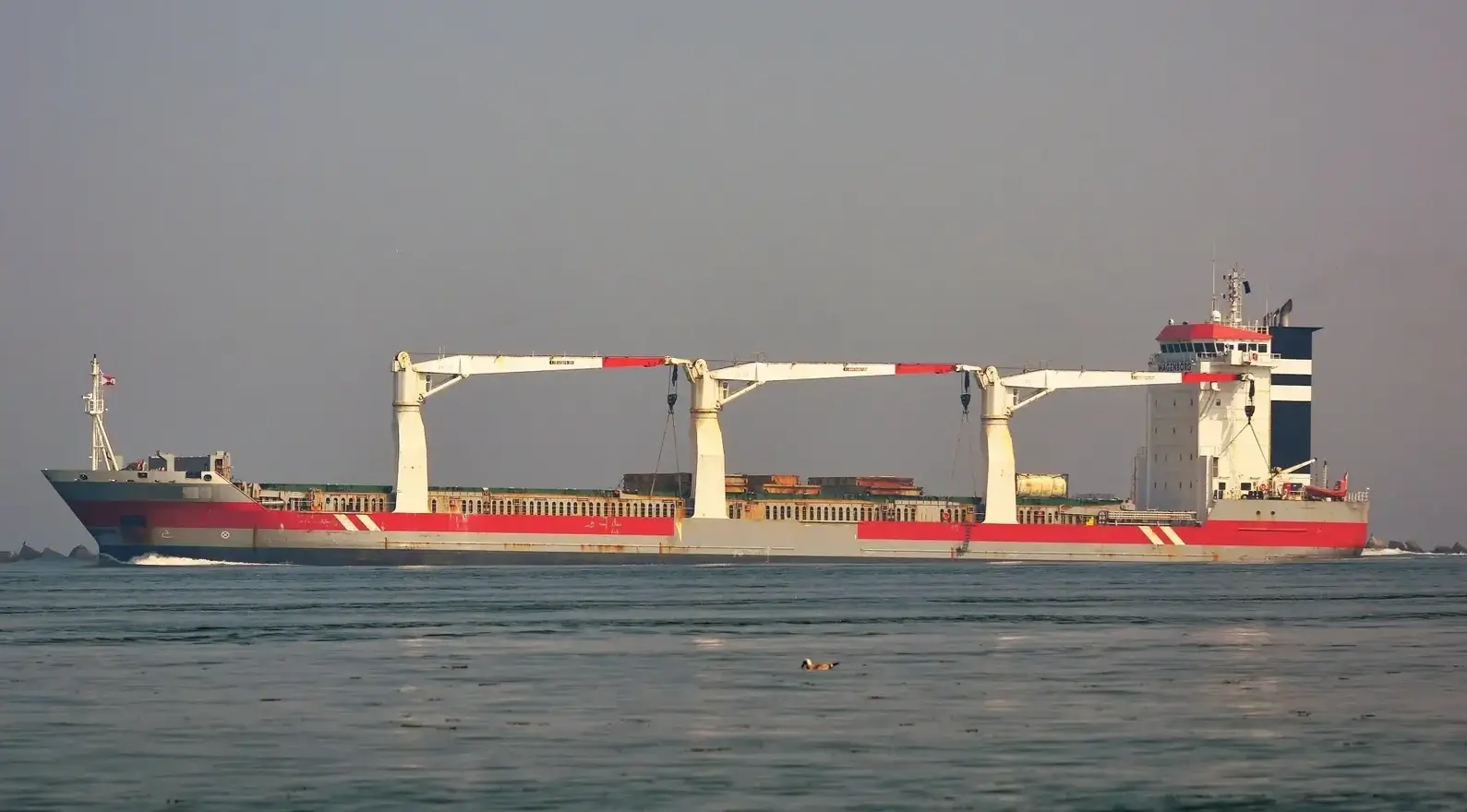
Location: Atlantic / Med
Size: 17356DWT
Built Year: 2006
Price: $-
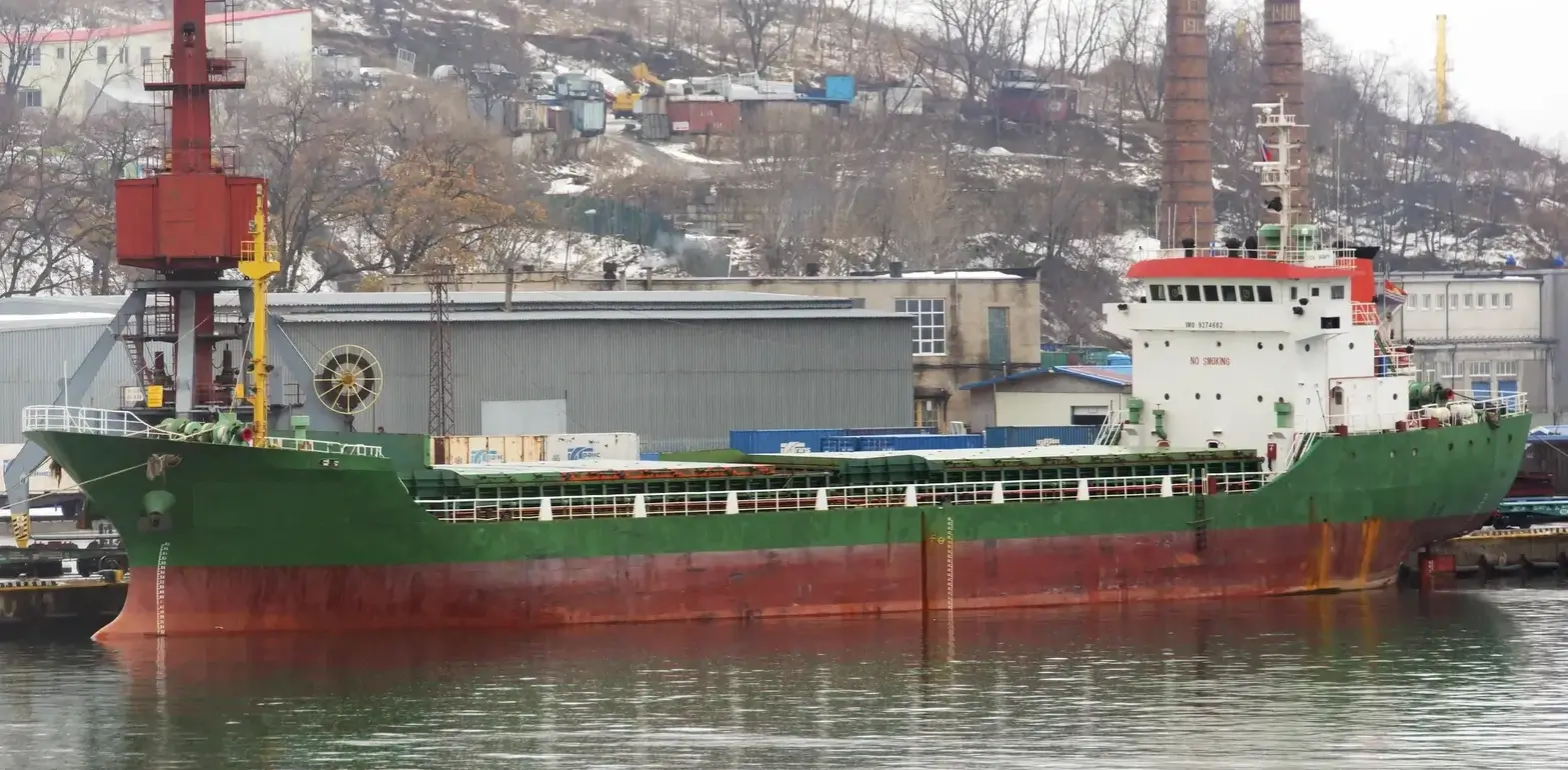
Location: Greece
Size: 3994DWT
Built Year: 2005
Price: $-
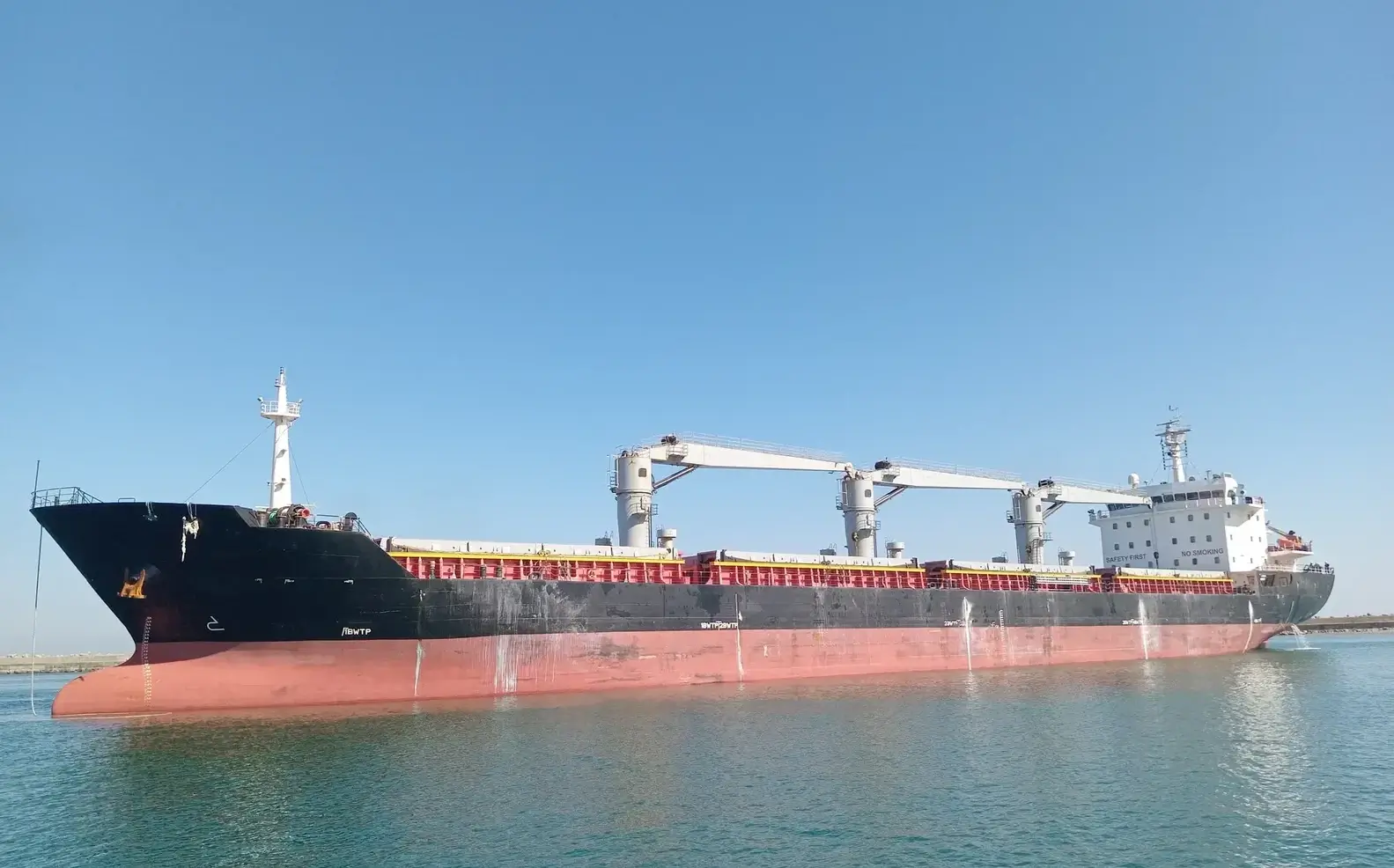
Location: Italy
Size: 17660DWT
Built Year: 2009
Price: $-
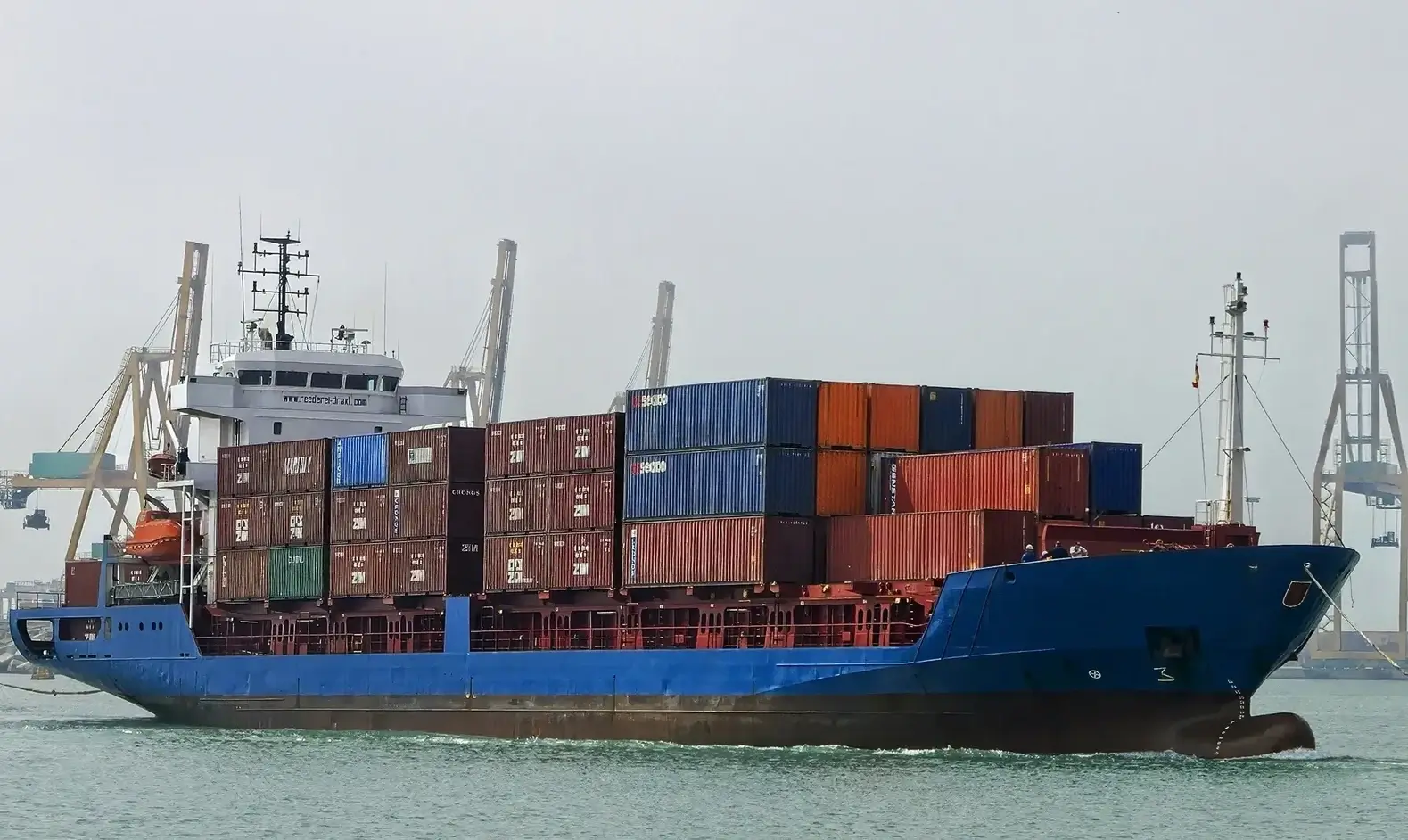
Location: Med
Size: 6170DWT
Built Year: 1993
Price: $-
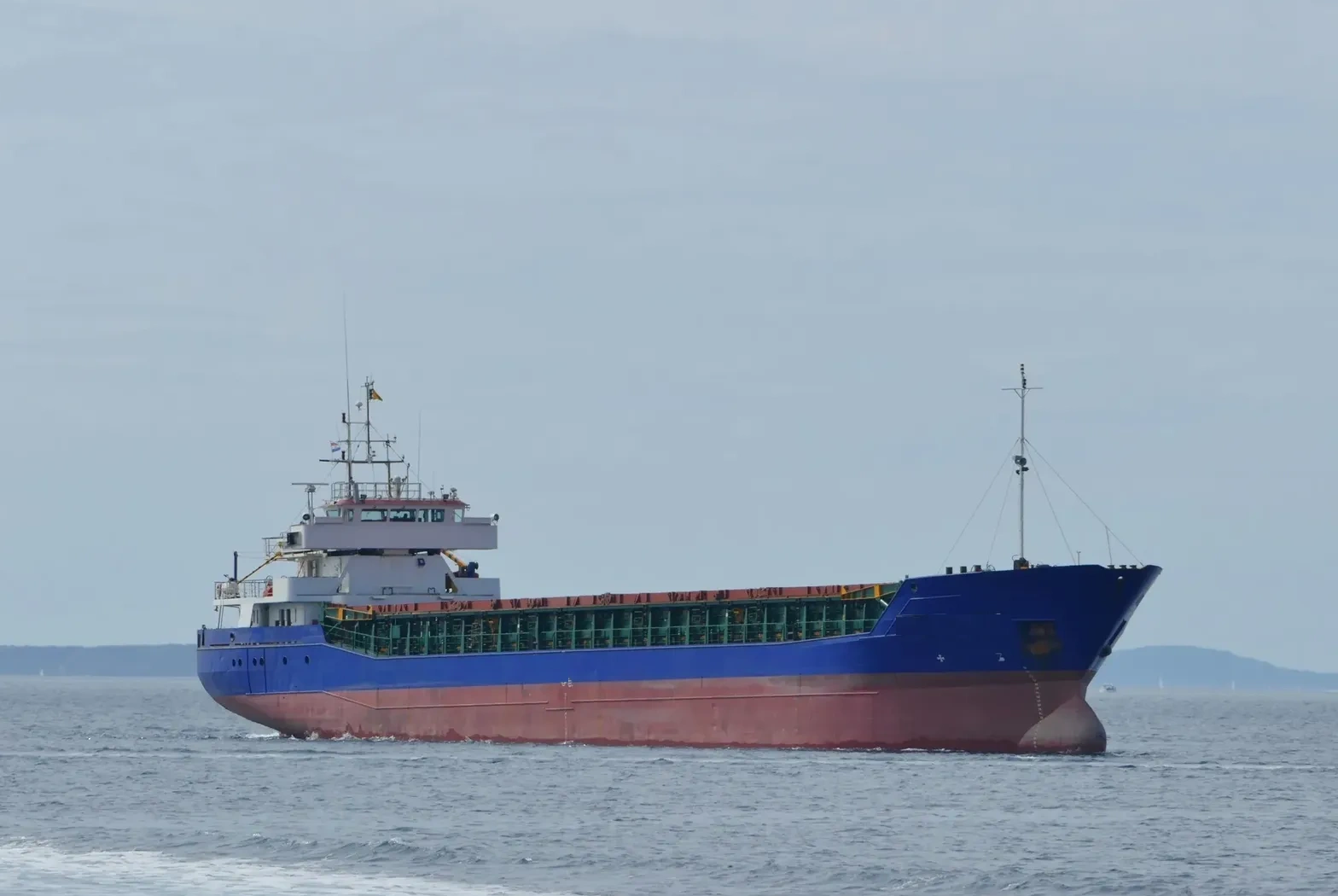
Location: -
Size: 3680DWT
Built Year: 1994
Price: $-
According to DNV The worldwide general cargo fleet consists of around 20,553 vessels, forming a notable share of the more than 106,700 merchant ships in operation, although they account for only about 4% of total carrying capacity. Within this segment, the multi-purpose (MPP) and heavy-lift (HL) sector shows very limited fleet expansion, with an orderbook of roughly just 44 vessels currently on order for future delivery.
When it comes to purchasing used multi-purpose (MPP) ships and general cargo vessels, understanding the market dynamics and technical specifications is crucial for making an informed investment decision. This comprehensive guide covers everything you need to know about acquiring these versatile workhorses of the maritime industry.
Multi-Purpose (MPP) ships represent one of the most flexible vessel types in commercial shipping. Unlike specialized tankers ships or container ships, MPP vessels are designed to carry a wide variety of cargo types, from break bulk and project cargo to containers and heavy lifts. General cargo ships share similar versatility, making both vessel types attractive investments for operators seeking operational flexibility.
MPP ships or general cargo ship for sale come in various sizes to suit different trade routes and cargo requirements:
These compact ships are ideal for short-sea trading, river-sea operations, and servicing smaller ports with draft restrictions. They offer excellent maneuverability and access to ports that larger vessels cannot reach.
The most popular segment in the MPP market, handysize vessels balance cargo capacity with port accessibility. These ships dominate regional trade routes and are highly sought after for their operational flexibility.
Larger MPP vessels in this category offer enhanced cargo capacity while maintaining access to most commercial ports worldwide. They're equipped with robust cargo handling gear and larger holds.
These larger general cargo and MPP vessels serve major trade routes and can handle substantial cargo volumes, though their draft may limit port accessibility.
The age of an MPP ship for sale significantly impacts its value, operational efficiency, and remaining service life:
The SS/DD status is critical for vessel pricing and operational readiness. Ships with freshly completed surveys and drydocking can command 15-30% higher prices. Buyers should evaluate the last SS/DD and the next due date, impacting operational availability and capital expenditure.
Draft specifications determine port accessibility. MPP ships typically range from 6 meters for smaller vessels to 13+ meters for larger ocean-going vessels. Consider beam width, LOA, and air draft for vessels transiting under bridges.
Every vessel has a unique IMO number providing regulatory compliance and operational history. Verify IMO documentation, classification society records, and historical incidents. Major societies include DNV-GL, Lloyd's Register, ABS, and ClassNK.
The building country and shipyard influence vessel quality, residual value, and marketability:
Modern MPP vessels may have container-fitted holds with cell guides, deck lashing points, and reefer plugs. TEU capacity ranges from a few hundred for smaller ships to 1,000+ for larger vessels. Dual-purpose capability improves commercial flexibility and charter rates.
MPP ship prices vary based on multiple factors:
Engage experienced marine surveyors for pre-purchase inspections. Review classification society records, maintenance logs, and operational history. Select vessel size and specifications based on target trades, cargo types, and port requirements.
The versatility of MPP vessels makes them excellent investments for operators seeking flexibility. Understanding these key factors will help make an informed purchase decision aligned with operational and financial objectives.
1. What is an MPP or general cargo vessel?
A Multi-Purpose (MPP) or general cargo ship is designed to carry a wide variety of cargoes, including breakbulk, project cargo, containers, steel products, and heavy lifts. These vessels are valued for their flexibility and ability to trade across different routes and cargo types.
2. What should I consider before buying?
Key factors include vessel age, deadweight (DWT), crane capacity, cargo hold configuration, fuel efficiency, class status, and trading history. It’s also important to assess the vessel’s suitability for your intended cargo and trade routes.
3. How important is crane capacity?
Very important. Many MPP vessels are equipped with onboard cranes, allowing them to handle cargo in ports without shore equipment. Higher lifting capacity increases operational flexibility and earning potential.
4. What documents should I review?
You should check class records, maintenance history, certificates (ISM, ISPS), dry-docking reports, and previous inspection reports. A pre-purchase survey is highly recommended.
5. What are the typical price drivers?
Price depends on market conditions, vessel age, specifications, fuel consumption, and current demand for MPP/general cargo tonnage. Freight rates and global trade trends also influence asset values.
6. Can the vessel carry containers as well?
Yes, many MPP ships are designed to carry both breakbulk and containers, making them highly versatile and suitable for mixed cargo operations.
7. What are the operating costs?
Costs include crew wages, fuel, maintenance, insurance, and port expenses. Fuel efficiency and vessel condition play a major role in long-term profitability.
8. Should I buy for trading or investment?
Both are possible. Some buyers acquire vessels for immediate trading, while others invest based on expected market appreciation and charter income.
9. How long does the purchase process take?
Typically, a transaction can take a few weeks to a couple of months, depending on negotiations, inspections, and financing arrangements.
10. Why work with a shipbroker?
An experienced broker provides market insight, access to off-market deals, negotiation support, and guidance throughout the transaction, ensuring a smoother and more secure purchase process.