☰
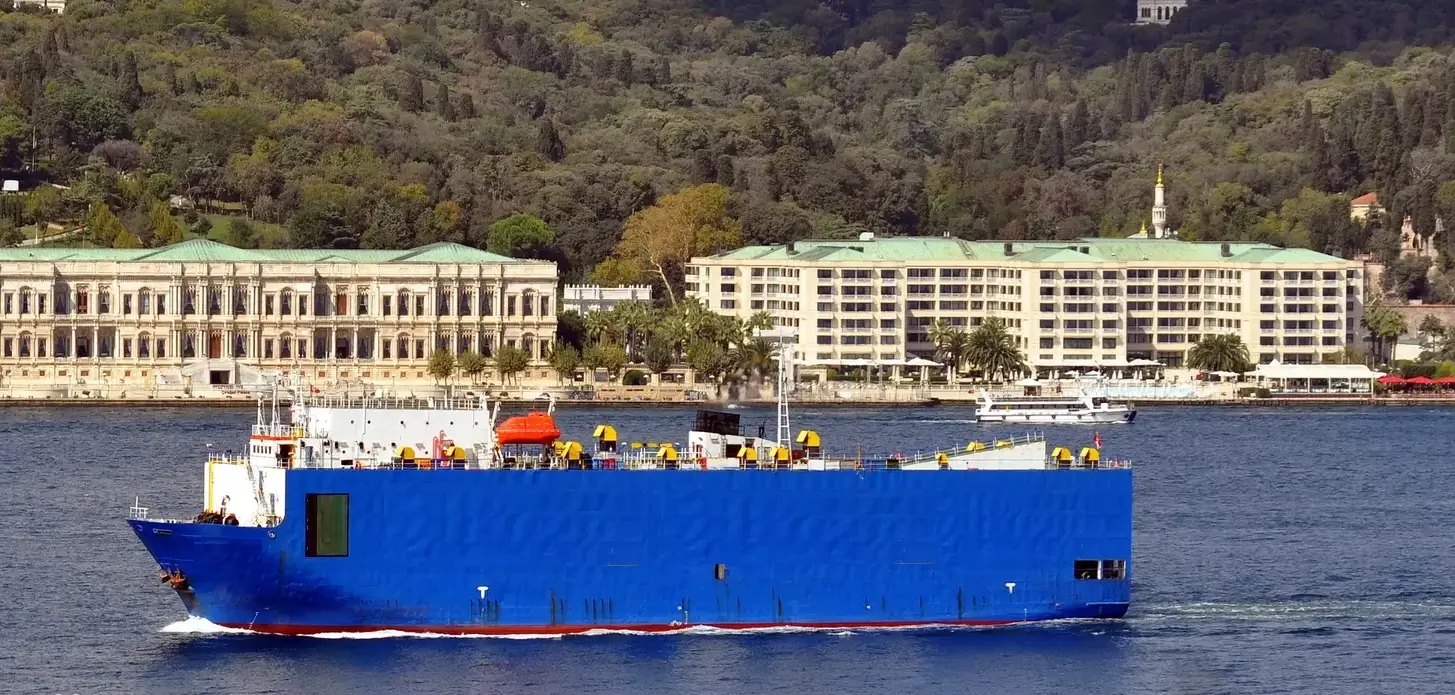
Location: Marmara / Black Sea
Size: 5025DWT
Built Year: 1986
Price: $-
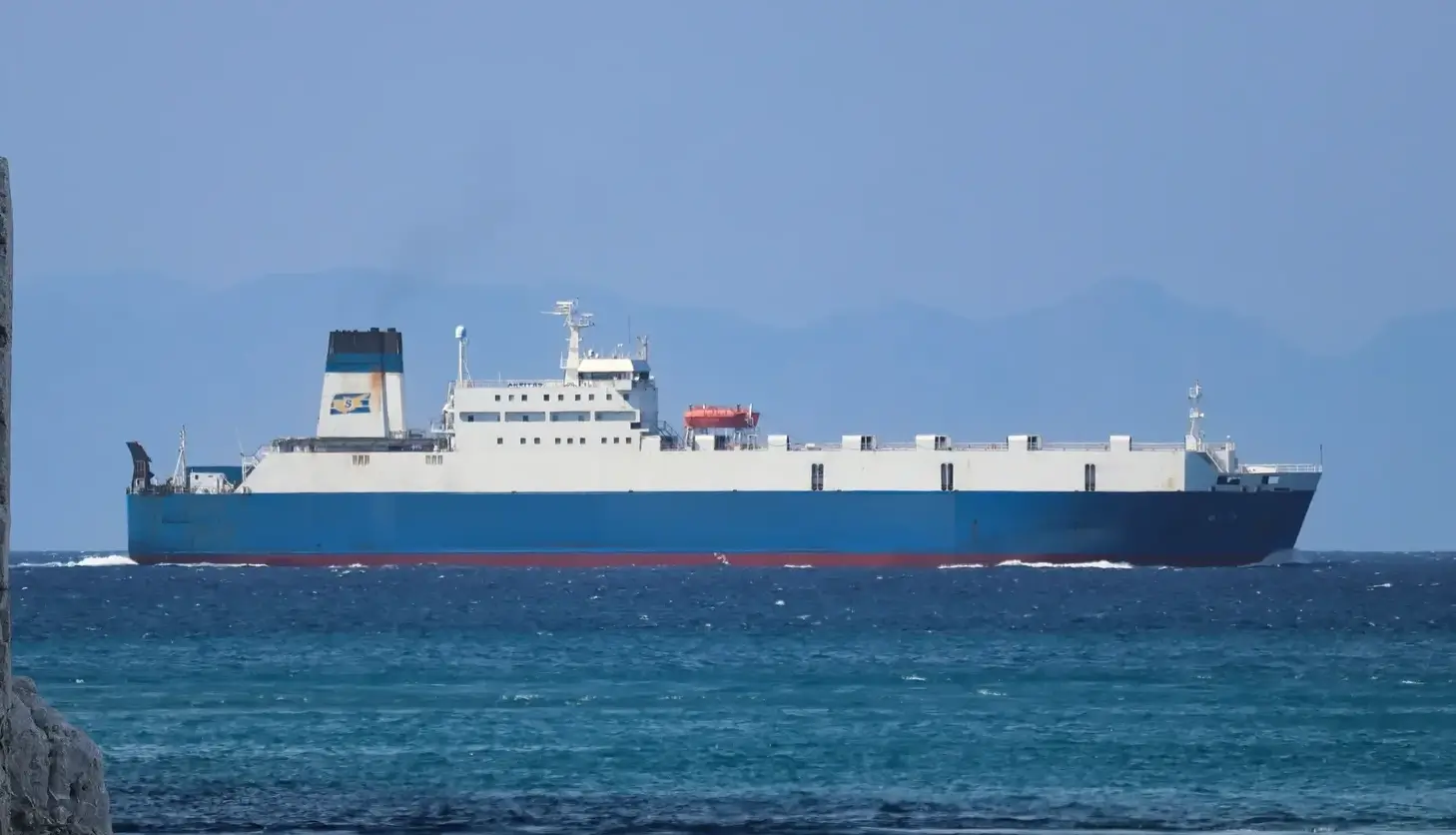
Location: -
Size: 13030DWT
Built Year: 1982
Price: $-
Your Trusted Source for Quality Used Roll-On/Roll-Off Vessels Worldwide
Welcome to Apsshipbrokers comprehensive guide for purchasing used RoRo (Roll-On/Roll-Off) ships. Whether you are an automotive logistics operator, project cargo carrier, defense contractor, or fleet owner expanding into RoRo trades, we offer a wide selection of quality pre-owned RoRo vessels. Our listings range from small RoRo ferries and coastal carriers to large PCTC and high-capacity automotive RoRo ships operating on global trade routes.
The used RoRo vessel market provides buyers with immediate access to proven tonnage without the long lead times associated with newbuildings. RoRo ships are specialized assets designed for wheeled cargo such as cars, trucks, trailers, heavy machinery, and military equipment. Demand is driven by global automotive production, project cargo movements, and regional short-sea trades.
Typically operating on short-sea routes, island trades, and regional connections. These vessels feature shallow drafts, simple ramp systems, and flexible deck layouts, making them ideal for ports with limited infrastructure.
Designed for regional trades and feeder services, these vessels handle mixed cargo including trailers, cars, and light project cargo. Many are equipped with stern or side ramps for efficient turnaround times.
The most versatile segment of the RoRo market, handysize RoRo vessels transport cars, trucks, buses, construction equipment, and rolling stock. Their flexible deck heights and multiple ramp options allow access to a wide range of terminals.
Built for international trades, large RoRo vessels feature multiple cargo decks, advanced ramp systems, and high lane meter capacity. These ships serve major automotive and project cargo routes worldwide.
PCC vessels are purpose-built for transporting passenger vehicles only. Capacity is measured in Car Equivalent Units (CEU), typically ranging from 2,000 to 6,000 CEU. These vessels maximize efficiency for automotive logistics.
PCTCs are the most flexible automotive RoRo vessels, capable of carrying cars, trucks, buses, and high & heavy cargo. Modern PCTCs range from 4,000 to 8,000+ CEU and dominate long-haul automotive trades.
RoRo vessels are measured primarily by total lane meters (LM). Small vessels may offer 1,500–3,000 LM, while large RoRo and PCTC vessels exceed 6,000–8,000+ LM. Adjustable and hoistable decks significantly enhance cargo flexibility.
SS/DD status heavily impacts RoRo vessel pricing due to the complexity of ramp systems, hydraulics, and fire safety equipment.
Q1. What exactly is a RoRo ship and what makes it different from other cargo vessels?
A RoRo (Roll-on/Roll-off) ship is a specialized cargo vessel specifically engineered to carry wheeled cargo such as automobiles, trucks, trailers, buses, heavy machinery, and construction equipment. Unlike conventional cargo ships that rely on cranes or lifting gear to load and unload freight, RoRo vessels feature built-in ramps — both stern and bow ramps — that allow vehicles and rolling cargo to drive directly on and off the ship under their own power or with the help of terminal tractors. This unique design dramatically reduces port turnaround time, minimizes cargo handling damage, and makes RoRo ships one of the most efficient and cost-effective solutions in global maritime trade.
Q2. What types of RoRo ships are available for sale in the market?
The RoRo vessel category is broader than many buyers realize. Available types in the sale market include Pure Car Carriers (PCC), Pure Car and Truck Carriers (PCTC), Con-RoRo vessels (a combination of container and RoRo capacity), RoRo Cargo Ships, RoPax vessels (which combine passenger accommodation with rolling cargo capacity), and Heavy Lift RoRo ships designed for oversized project cargo such as industrial plant equipment, rail wagons, and military vehicles. Each type serves a distinct operational purpose, and our brokerage team helps buyers identify the exact vessel configuration that matches their trade route and cargo requirements.
Q3. What key specifications should a buyer examine before purchasing a RoRo ship?
Purchasing a RoRo vessel requires careful evaluation of several critical specifications. Buyers should closely examine the vessel's Lane Meter capacity (the total deck length available for rolling cargo), deck height clearance on each vehicle deck, ramp strength and angle ratings, the number of hoistable decks, deadweight tonnage (DWT), gross tonnage (GT), speed and fuel consumption data, main engine condition and maker details, classification society status, and the vessel's last Special Survey and drydocking records. Additionally, the condition of the ship's lashing points, car deck ventilation systems, and fire suppression systems are vital safety and operational considerations that directly impact the vessel's value and performance.
Q4. Which classification societies certify RoRo ships and why does this matter to buyers?
Classification society certification is one of the most important factors in any vessel purchase. Reputable classification societies such as Lloyd's Register (LR), Bureau Veritas (BV), DNV (Det Norske Veritas), American Bureau of Shipping (ABS), and Nippon Kaiji Kyokai (NK) inspect and certify RoRo vessels to ensure they meet international safety and seaworthiness standards. A vessel maintaining a clean class record with a top-tier classification society not only assures the buyer of its structural and mechanical integrity but also makes financing, insurance, and flag state registration significantly easier. Buyers should always request a full class certificate and survey history before proceeding with any transaction.
Q5. What are the most active trading routes for RoRo vessels globally?
RoRo ships operate on some of the world's busiest and most strategically important trade lanes. Major routes include the trans-Atlantic corridor between Europe and North America, the Europe-to-Middle East and Africa route serving booming automotive import markets, the intra-Asian route connecting Japan, South Korea, and Southeast Asia, and the increasingly active route between Europe and South America. The Middle East, particularly the Gulf region, remains one of the strongest import markets for RoRo cargo due to high demand for vehicles and construction machinery. Understanding the trade route dynamics helps buyers select the right vessel size, speed profile, and deck configuration for maximum commercial efficiency.
Q6. How is the price of a RoRo ship determined in the sale market?
RoRo vessel pricing is influenced by a combination of factors including the ship's age, size (measured in lane meters and DWT), flag state, classification status, condition of main and auxiliary machinery, remaining drydock interval, cargo deck condition, current charter or trading status, and prevailing market supply and demand. Newbuilding prices at major shipyards also set a benchmark that influences the secondhand market. Our experienced brokers conduct thorough comparative market analysis, reviewing recent sales of similar tonnage to provide buyers and sellers with accurate, data-driven valuations that reflect true market conditions.
Q7. Can a RoRo ship be converted for other cargo types or purposes?
Yes, certain RoRo vessels can be converted or adapted depending on their structural configuration. Some operators convert RoRo ships into multipurpose vessels capable of carrying both rolling cargo and containers. RoPax conversions — adding or upgrading passenger accommodation — are also carried out on suitable hulls. Additionally, some aging RoRo vessels are repurposed as livestock carriers, accommodation barges, or floating storage units depending on their structural condition and deck layout. Conversion feasibility depends heavily on the vessel's original design, steel condition, and classification society approval. Our brokerage team works alongside reputable naval architects and shipyards to assess conversion potential where required.
Q8. Why should I use a professional broker when buying or selling a RoRo ship?
The RoRo vessel market is highly specialized and requires deep knowledge of technical specifications, international maritime regulations, market pricing trends, and deal structuring. A professional broker brings access to a global network of verified buyers and sellers, ensures accurate vessel valuation, manages the due diligence process including technical inspections and documentation review, negotiates on your behalf, and guides the transaction through to safe and legally sound completion. Whether you are a first-time buyer or an experienced fleet operator, working with a dedicated maritime broker protects your investment, saves valuable time, and significantly reduces transactional risk.
apsshipbrokers have a dedicated RoRo ship for sale offering an end-to-end service. Our experts maintain a dynamic, global database of ship for sale and charter, providing clients with technical evaluations, commercial insights, physical inspections, and skilled negotiation—guiding every transaction through to successful closing and delivery.
Looking for RoRo ships currently available? Contact our specialized RoRo brokers today to receive tailored listings and expert guidance aligned with your operational requirements and investment goals.
We are a globally recognized maritime brokerage firm with years of combined experience in the buying and selling of vessels across every segment of the international shipping industry. While we have built a strong reputation as specialists in RoRo (Roll-on/Roll-off) ships, our expertise and market reach extend far beyond. We deal in the full spectrum of vessel types including Bulk Carriers, Crude Oil Tankers, Product Tankers, Chemical Tankers, Container Ships, General Cargo Vessels,LNG Carriers, LPG Carriers, Car Carriers, Heavy Lift Vessels, Multi-Purpose Vessels, Offshore Supply Vessels (OSV), Platform Supply Vessels (PSV), Anchor Handling Tug Supply Vessels (AHTS), Crane Vessels, Dredgers, Hopper Barges, Cable Laying Ships, FPSO Units, Accommodation Vessels, Survey Vessels, Fishing Vessels, Reefer Ships, Livestock Carriers, Passenger Ships, Ferries, RoPax Vessels, Tugboats, Pilot Boats, Barges, Research Vessels, and Super Yachts — making us a true one-stop brokerage solution for all maritime needs. We also can assist in ship finance and ship investment