☰
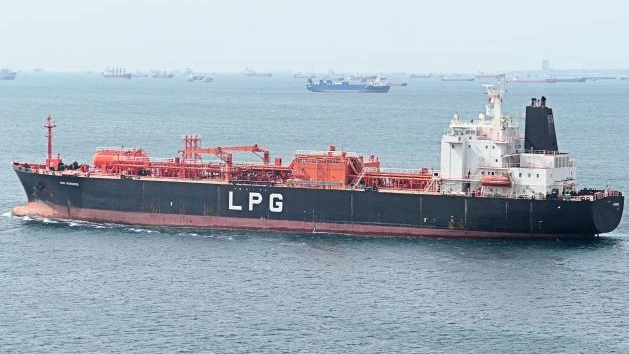
Location: Korea
Size: 16897DWT
Built Year: 2002
Price: $-
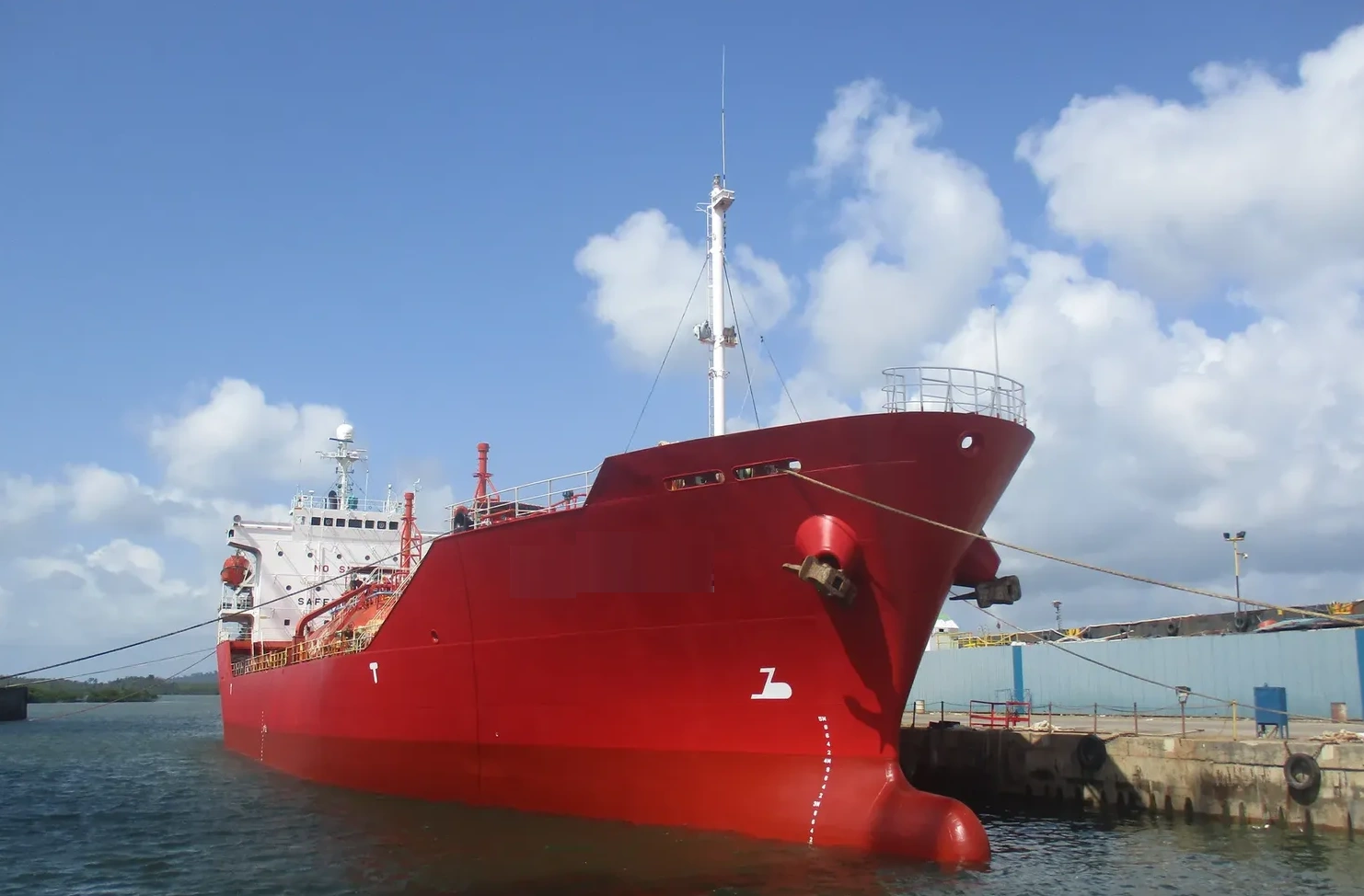
Location: Japan
Size: 2610DWT
Built Year: 1995
Price: $-
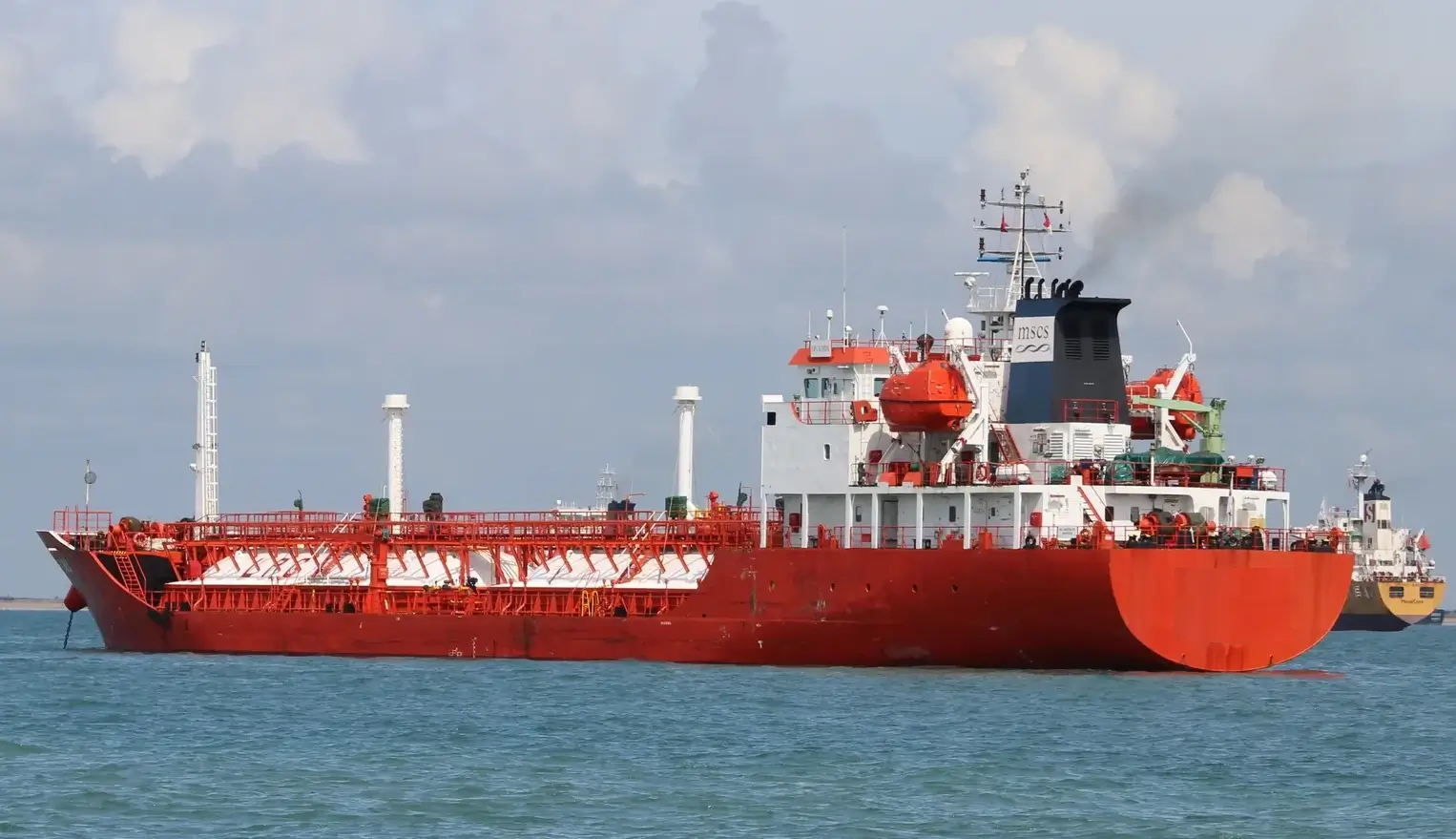
Location: China
Size: 2654DWT
Built Year: 2007
Price: $-
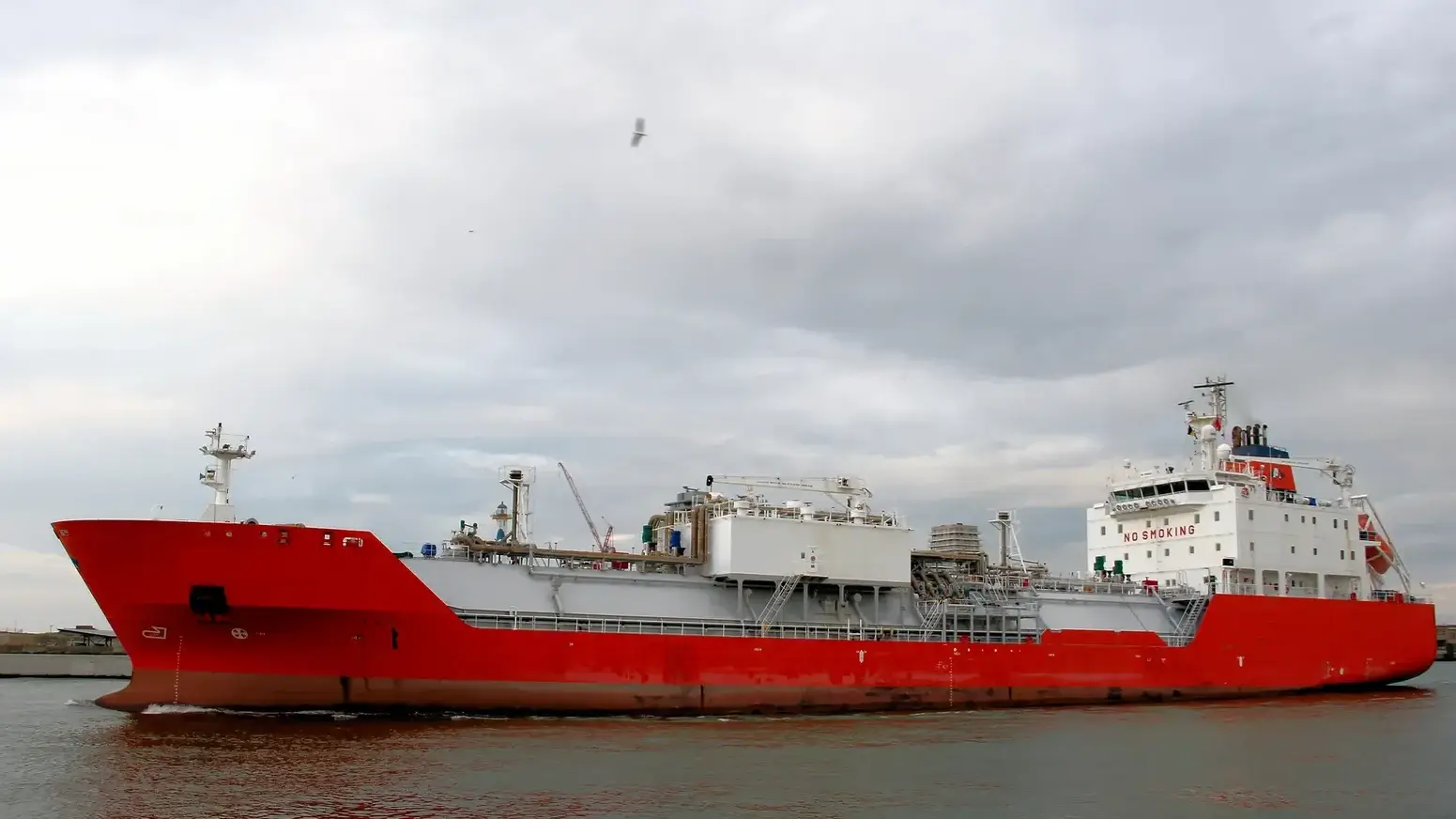
Location: PG Sharjah
Size: 8669DWT
Built Year: 2000
Price: $-

Location: -
Size: 2983DWT
Built Year: 2010
Price: $-
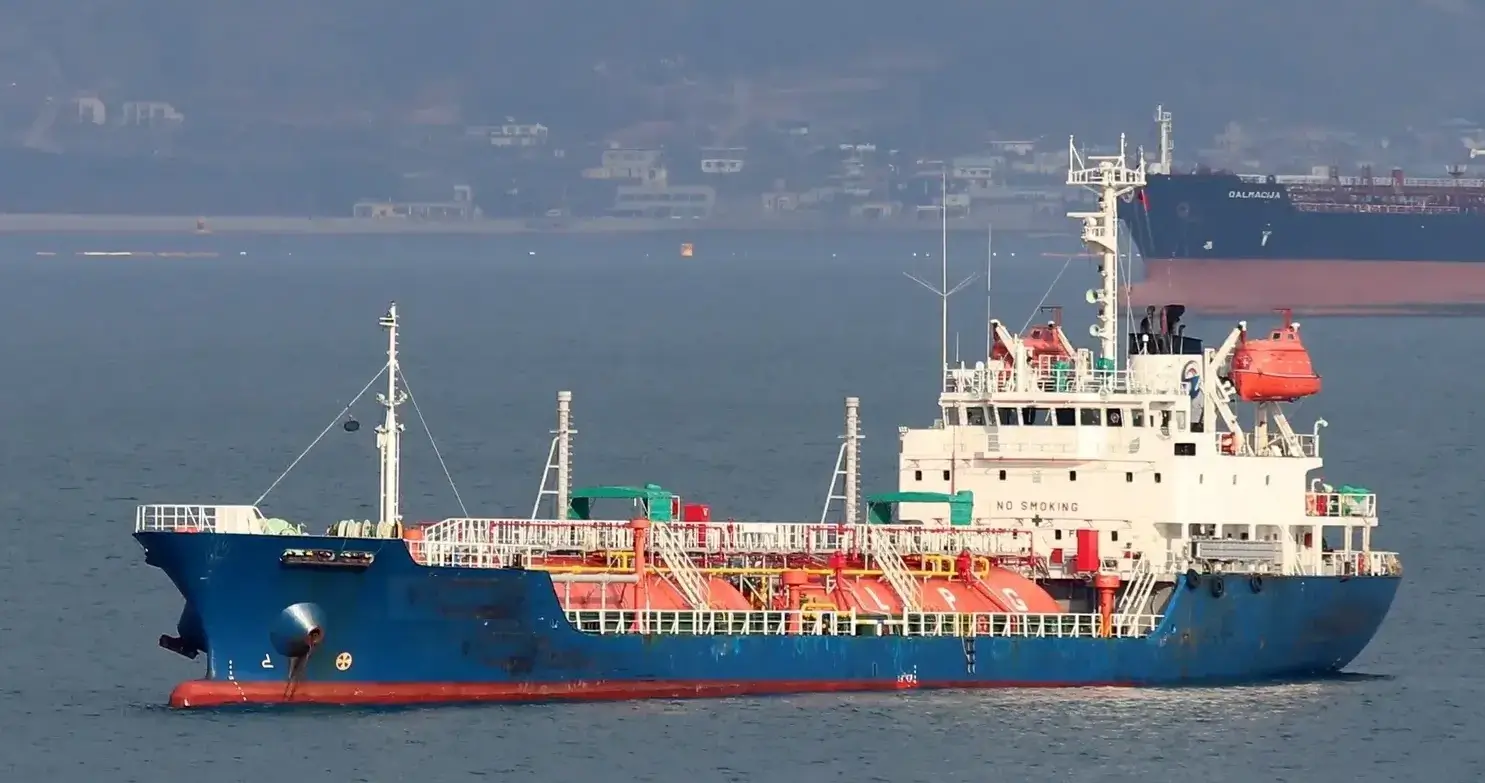
Location: KOREA-JAPAN-CHINA
Size: 2891DWT
Built Year: 1998
Price: $-
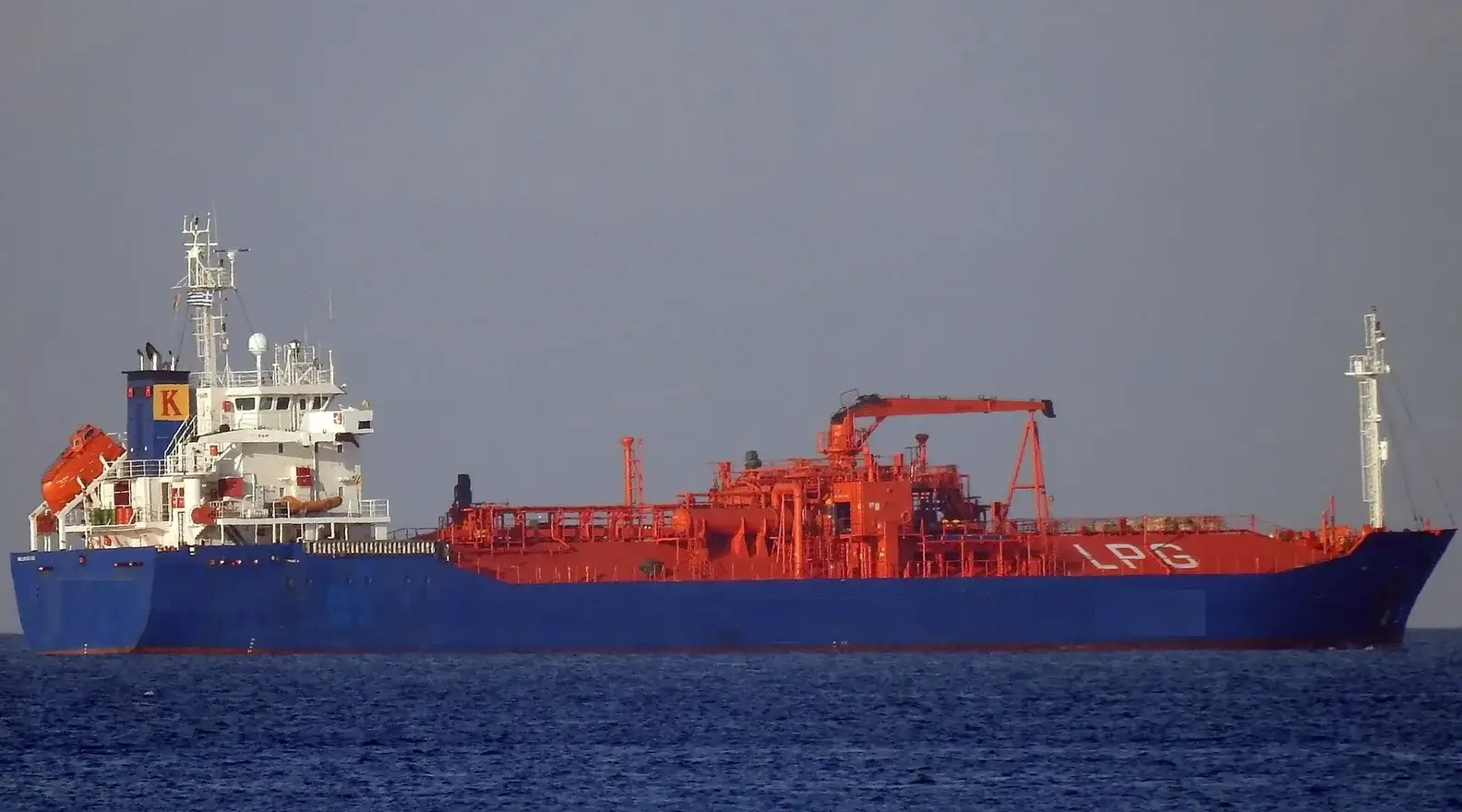
Location: E/Med
Size: 4197DWT
Built Year: 1999
Price: $-
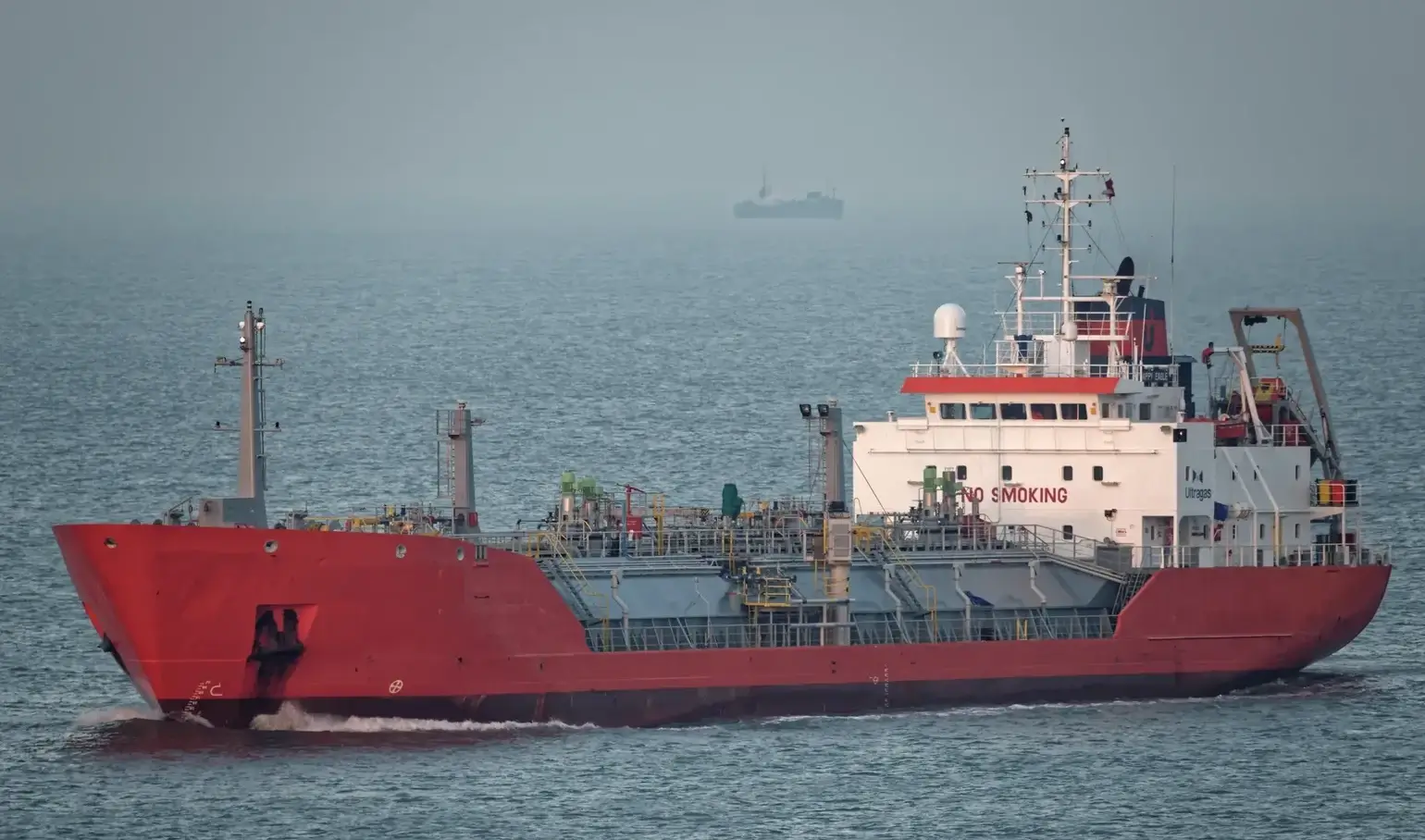
Location: MED – B.SEA.
Size: 4512DWT
Built Year: 1993
Price: $-
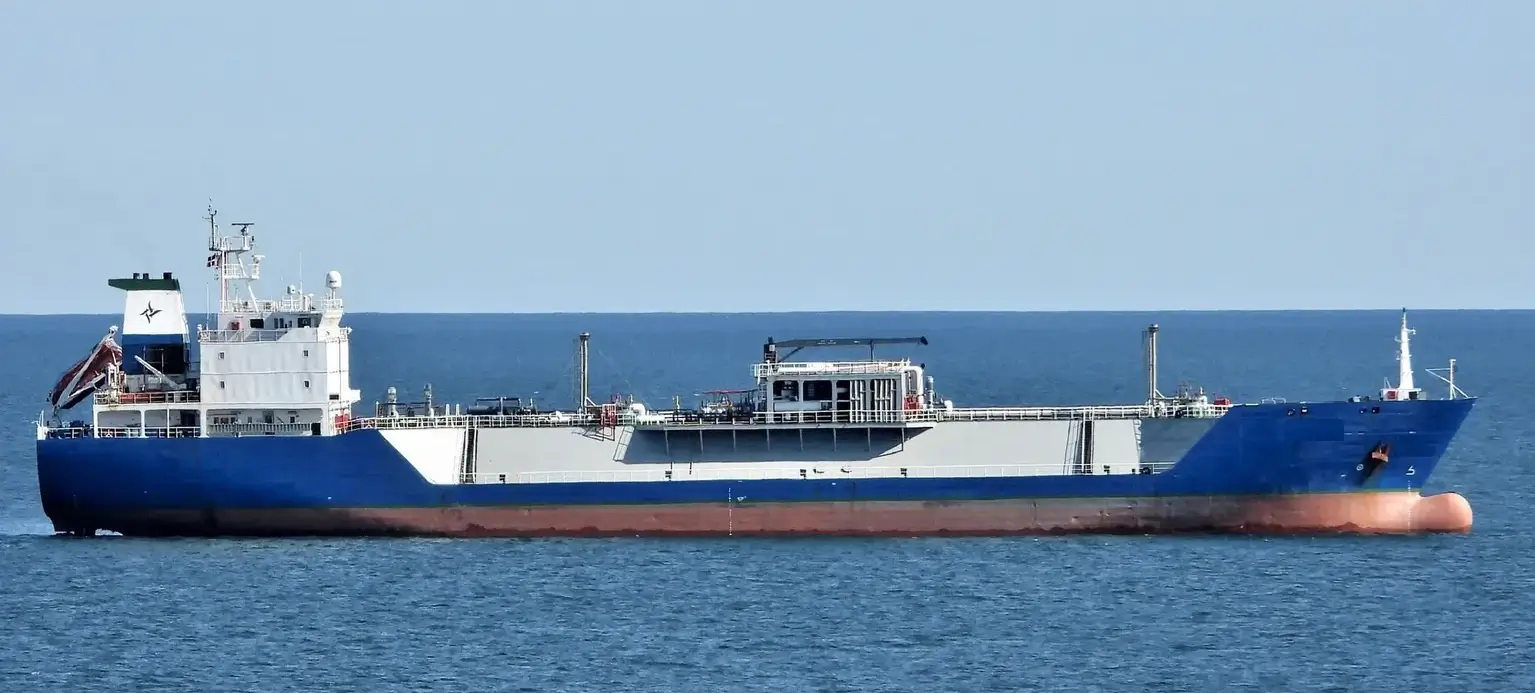
Location: Europe
Size: 9329DWT
Built Year: 2003
Price: $-

Location: -
Size: 54490DWT
Built Year: 2006
Price: $-
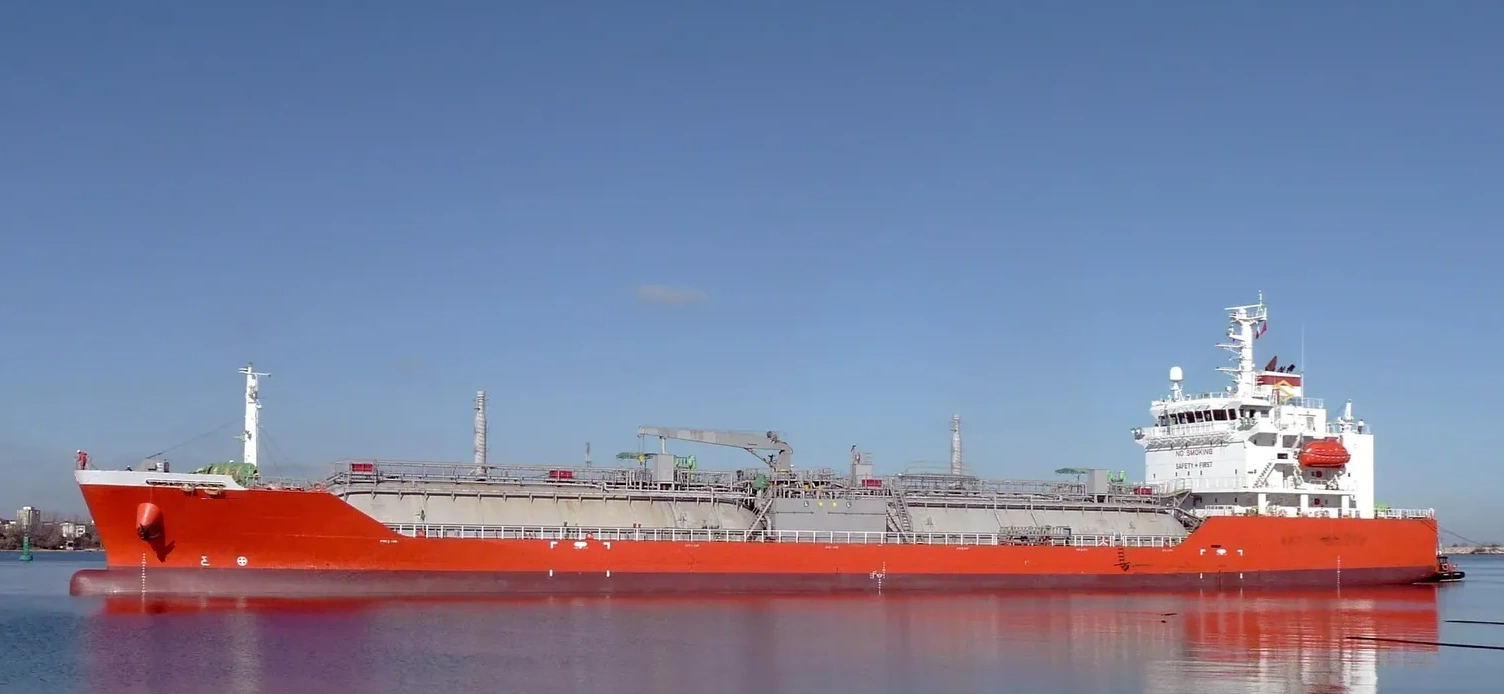
Location: Japan
Size: 9127DWT
Built Year: 2006
Price: $-
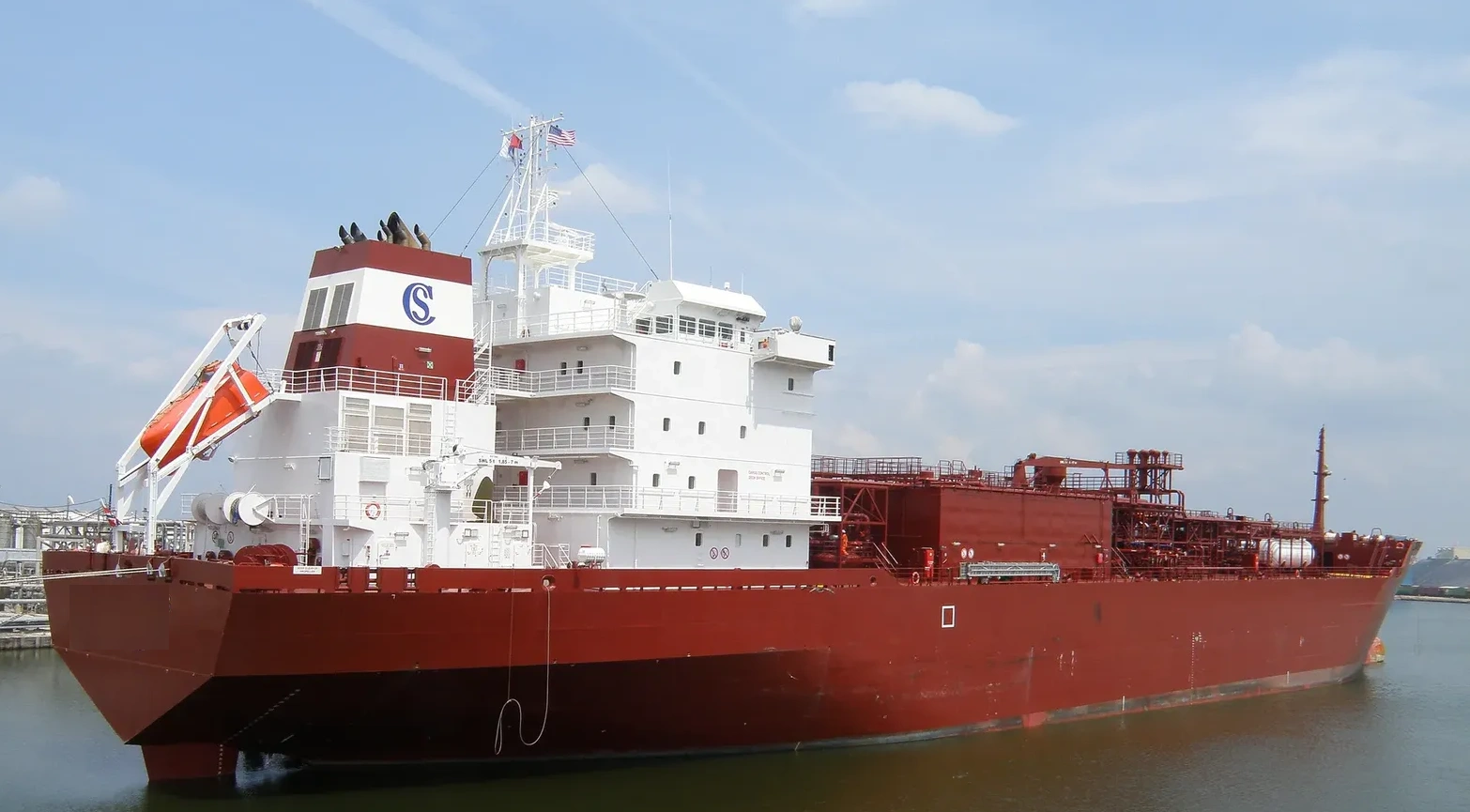
Location: Germany
Size: 18880DWT
Built Year: 2008
Price: $-
Investing in used LPG (Liquefied Petroleum Gas) ships requires specialized knowledge of gas carrier technology, market dynamics, and technical specifications. This comprehensive guide provides essential information for buyers navigating the LPG vessel market, covering everything from size categories to critical purchasing factors.
LPG carriers are highly specialized vessels designed to transport liquefied petroleum gases such as propane, butane, and their mixtures under pressure or refrigeration. These ships feature sophisticated cargo containment systems, advanced safety equipment, and specialized training requirements for crew. The LPG shipping market serves critical energy supply chains worldwide, making these vessels valuable assets for operators in the gas transportation sector.
LPG carriers are classified by their cubic meter (CBM) cargo capacity, which directly correlates to their deadweight tonnage (DWT):
These coastal and short-sea traders serve regional distribution networks, small terminals, and ports with draft restrictions. Their compact size allows access to smaller facilities and inland waterways, making them essential for last-mile gas delivery in many markets.
The workhorse segment of the LPG fleet, handysize carriers balance cargo capacity with operational flexibility. These vessels dominate regional trades and are highly versatile, capable of loading from both large export terminals and smaller distribution facilities. They typically feature pressurized or semi-refrigerated cargo systems.
MGCs represent a sweet spot for many operators, offering substantial cargo capacity while maintaining access to most LPG terminals worldwide. These vessels commonly employ semi-refrigerated or fully refrigerated cargo systems and can handle multiple LPG grades simultaneously in separate tanks.
Large gas carriers serve major international trade routes, transporting significant volumes between production centers and import terminals. These fully refrigerated vessels offer economies of scale and are preferred for long-haul voyages from the Middle East, US Gulf, and other major export regions.
The largest segment of the LPG fleet, VLGCs transport massive volumes on key export routes, particularly from the United States and Middle East to Asian markets. These sophisticated vessels represent significant capital investments but offer the lowest per-ton transportation costs for high-volume trades.
Age dramatically affects LPG carrier value, operational efficiency, and regulatory compliance. Modern LPG ships built within the last 10 years incorporate advanced cargo containment systems, improved energy efficiency, enhanced safety features, and better environmental performance. These vessels command premium prices due to lower operating costs, reduced maintenance requirements, and compliance with current regulations.
Vessels between 10-20 years old represent the mid-market segment, offering proven reliability with established operational records. However, buyers must carefully evaluate the technological specifications against current market standards, as LPG carrier technology has advanced significantly in recent years.
Ships over 20 years old present budget options but require thorough technical assessment. Older tonnage may face increasing survey requirements, higher insurance premiums, and potential challenges meeting evolving environmental regulations. The cargo containment system's condition becomes particularly critical in older vessels, as tank inspections and repairs can be extremely costly.
For LPG carriers, the SS/DD status is absolutely critical to vessel valuation and purchase timing. Special surveys for gas carriers are comprehensive and expensive, involving detailed inspections of cargo tanks, pressure systems, piping, instrumentation, and safety equipment. A complete special survey and drydocking for a large LPG carrier can easily cost $2-4 million or more.
Vessels with recently completed (within 12-18 months) special surveys command significant price premiums, often 20-35% higher than vessels approaching their next survey. Buyers should obtain detailed reports from the last survey, including any recommendations or conditions of class that need addressing. Understanding when the next SS/DD is due allows accurate calculation of the vessel's immediate operational availability and capital expenditure requirements over the near term.
The type of cargo containment system fundamentally affects a vessel's operational capabilities and market positioning:
Draft specifications determine which terminals your LPG carrier can access. Smaller coastal carriers may have drafts of 5-7 meters, while VLGCs can exceed 11-12 meters fully loaded. Understanding your intended trade routes and the draft restrictions of loading and discharge terminals is essential for operational planning.
Every LPG carrier must comply with the International Maritime Organization's International Gas Carrier (IGC) Code, which sets comprehensive safety standards for gas carrier design, construction, and operation. Verify the vessel's IGC Code compliance, type rating (typically Type 2G or Type 3G for LPG), and any special notations.
The construction origin significantly influences LPG carrier quality, safety standards, and residual value:
An LPG ship is a specialized vessel designed to transport Liquefied Petroleum Gas such as propane and butane under controlled temperature and pressure conditions. These vessels are widely used in the global energy and petrochemical industries.
The main types include Fully Pressurized LPG Carriers, Semi-Pressurized LPG Carriers, Fully Refrigerated LPG Carriers, and Very Large Gas Carriers (VLGC). Vessel selection depends on cargo volume, trade route, and terminal compatibility.
The price of an LPG vessel depends on vessel size, age, cargo capacity, shipyard, and market conditions. Smaller LPG carriers may cost several million USD, while modern VLGCs can exceed USD 70 million or more.
Yes, LPG shipping remains an important segment of global energy transportation. Profitability depends on charter rates, vessel efficiency, operating costs, and international LPG demand.
Buyers should review vessel age, cargo tank condition, classification records, maintenance history, flag registration, dry dock schedule, cargo handling systems, and compliance with IMO regulations.
The sale and purchase process usually takes between two to six weeks depending on negotiations, inspections, documentation, and financing arrangements.
Yes, professional shipbrokers assist buyers and sellers throughout the transaction process, including vessel sourcing, negotiations, inspections, documentation, and delivery coordination.
The common LPG vessel categories include Small Gas Carriers, Medium Gas Carriers (MGC), Large Gas Carriers (LGC), and Very Large Gas Carriers (VLGC).
Major LPG trading and shipping markets include the Middle East, USA, China, Japan, South Korea, India, and European countries involved in energy imports and petrochemical trade.
No. In addition to LPG vessels, we also deal in Crude Oil Tankers, Bulk Carriers, Container Ships, LNG Carriers, Multi-Purpose Vessels (MPP), Offshore Support Vessels, General Cargo Ships, and other commercial vessels.
Yes, well-maintained older LPG vessels can still operate profitably in regional and short-haul trades if they meet safety and regulatory requirements.
Common documents include the Memorandum of Agreement (MOA), class certificates, registry documents, cargo system certificates, inspection reports, and Bill of Sale.
APS Ship Brokers — Your Gateway to Every Vessel Type in the Global Maritime Market
While LPG carriers form a vital and high-demand segment of our brokerage portfolio, APS Ship Brokers proudly operates as a full-spectrum maritime brokerage house with the capability, global reach, and professional expertise to handle the sale and acquisition of every vessel type actively traded in today's international shipping market. Our comprehensive vessel portfolio covers Bulk Carriers, Crude Oil Tankers, Product Tankers, Chemical Tankers, LNG Carriers, Container Ships, General Cargo Vessels, RoRo Ships, Pure Car Carriers (PCC), Pure Car and Truck Carriers (PCTC), Heavy Lift Vessels, Multi-Purpose Cargo Ships, Offshore Supply Vessels (OSV), Platform Supply Vessels (PSV), Anchor Handling Tug Supply Vessels (AHTS), Crane Vessels, Pipe Laying Vessels, Cable Laying Ships, Dredgers, Hopper Barges, FPSO Units, Accommodation Vessels, Survey Ships, Fishing Vessels, Fish Factory Ships, Reefer Vessels, Livestock Carriers, Passenger Ships, Cruise Ships, RoPax Ferries, Expedition Vessels, Tugboats, Pilot Boats, Barges, Inland Waterway Vessels, Research Ships, Training Vessels, Ice Breakers, Super Yachts, and Harbor Craft — ensuring that whether you are a seasoned fleet operator, a first-time investor, or an established shipowner looking to divest, apsshipbrokers.com remains your single most trusted and reliable destination for all maritime vessel buying and selling needs across every ocean and every market worldwide.