☰
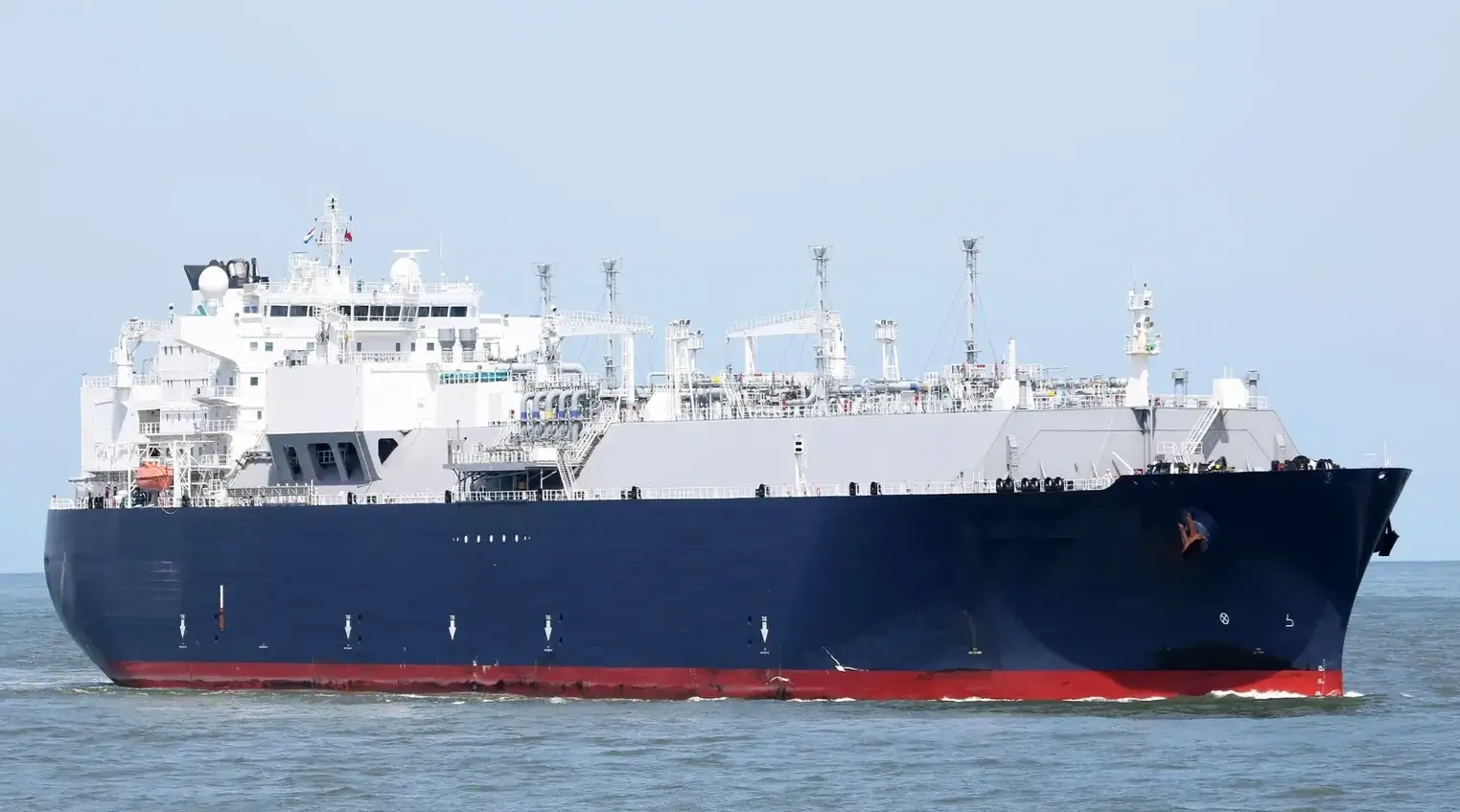
Location: -
Size: 79046DWT
Built Year: 2006
Price: $-
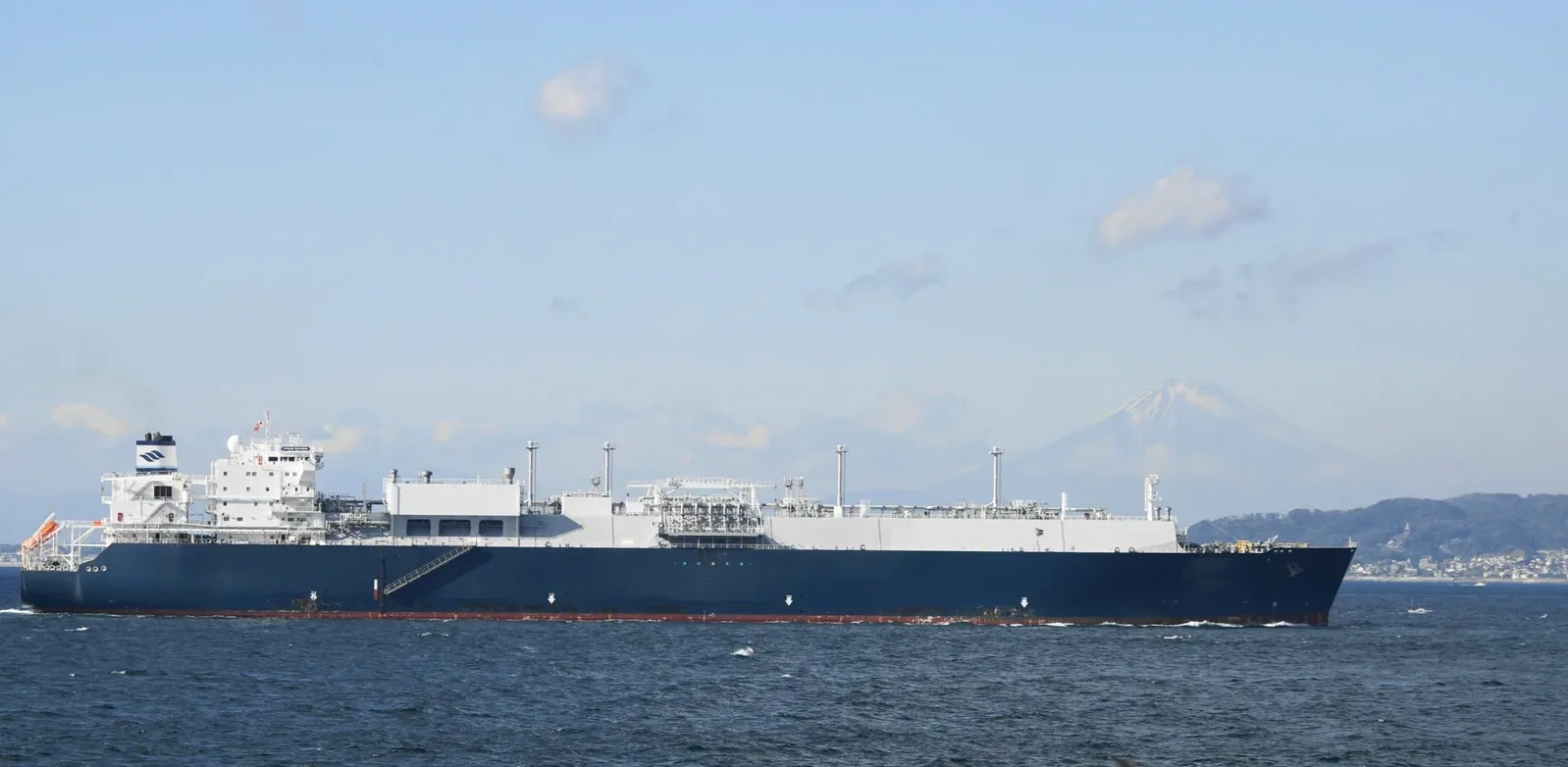
Location: -
Size: 82291DWT
Built Year: 2010
Price: $-
Searching for an LNG ship for sale? APS Shipbrokers offers specialist brokerage services focused exclusively on liquefied natural gas tonnage. Whether you need a small-scale carrier for regional distribution, an economical medium-size membrane ship, a large Q-Flex/Q-Max, or purpose-built LNG bunkering units and FSRUs, our team delivers tailored, market-driven solutions to buyers and sellers worldwide.
Curated inventory: We maintain an actively updated list of LNG vessels for sale — from modern dual-fuel ME-GI and X-DF ships to older steam and DFDE candidates suitable for conversion or short-term employment. Each listing includes full technical summaries, class status, trading history and commercial performance metrics.
Specialist advice: LNG carriers require close attention to cargo containment systems (membrane vs. Moss), reliquefaction and boil-off management, propulsion types, and ice-class certifications. Our brokers translate technical details into commercial impact so you can make informed acquisition decisions.
Confidential, efficient process: We manage discreet marketing, vet qualified buyers, coordinate viewings and inspections, and negotiate terms to preserve client confidentiality and achieve competitive outcomes.
Buying an LNG ship is a complex investment. APS Shipbrokers streamlines the process:
Pre-screening and match-making: We filter available tonnage against your trade routes, cargo profile, charter duration and fuel strategy, ensuring technical fit and commercial viability.
Due diligence coordination: We arrange class file reviews, ultrasonic testing, gas-free reports, machinery status checks, and third-party vessel inspections. We also assess past cargo logs and port call histories to highlight operational risks.
Valuation and deal structuring: Leveraging recent sale comparables, newbuilding delivery trends and freight outlooks, we craft negotiation strategies and support contract terms, escrow arrangements and closing logistics.
Maximize value and minimize time on market with targeted selling strategies:
Market positioning: We identify the right buyer segments — long-term owners, trading houses, charterers, or conversion specialists — and design a confidential marketing approach to drive competitive offers.
Commercial optimization: We advise on timing, pre-sale maintenance, class renewals and refurbishment recommendations that enhance sale proceeds.
Seamless execution: From bid evaluation to final handover, we coordinate legal, technical and financial steps to close sales quickly and cleanly.
Deep sector focus: Our team combines commercial brokers with technical experts who understand LNG systems, regulatory requirements and evolving fuel trends.
Global relationships: Long-standing connections with owners, technical managers, shipyards and financiers give you access to on- and off-market opportunities.
Future-ready insight: With decarbonization and fuel transition shaping demand, we help clients identify vessels that balance near-term utility with long-term flexibility — e.g., dual-fuel capability or retrofit potential.
Whether you’re expanding a trading fleet, adding bunkering capacity, or disposing of LNG assets, APS Shipbrokers provides the market insight and transactional skill to get results. Contact our LNG sales team for current listings, bespoke searches or a confidential valuation.
Here is complete SEO-focused Q&A content with a closing paragraph for your LNG Tanker Ship For Sale page on apsshipbrokers.com:
An LNG (Liquefied Natural Gas) tanker is a highly specialized and technically advanced vessel specifically designed to transport natural gas in its liquefied state at an extremely low temperature of minus 162 degrees Celsius. This cryogenic cargo requires purpose-built insulated cargo containment systems that maintain the gas in liquid form throughout the entire voyage, reducing its volume by approximately 600 times compared to its gaseous state — making ocean transportation both practical and commercially viable. Unlike LPG carriers that transport propane and butane at moderately low temperatures, LNG tankers operate under far more demanding technical conditions and are constructed with advanced containment systems such as the Moss Rosenberg spherical tank design, the GTT membrane system (Mark III and NO96), and the SPB (Self-Supporting Prismatic Type B) system. These sophisticated engineering requirements make LNG tankers among the most technically complex and capital-intensive vessels in the entire global shipping industry.
The LNG tanker market offers several distinct vessel types and size categories, each serving specific trade routes and operational requirements. At APS Ship Brokers, we source and broker LNG vessels across all categories including Large Conventional LNG Carriers (typically 125,000 to 180,000 cubic meters capacity), Q-Flex LNG Carriers (210,000 to 216,000 cubic meters), Q-Max LNG Carriers (the world's largest LNG vessels at up to 266,000 cubic meters), Small-Scale LNG Vessels (below 30,000 cubic meters serving regional distribution), LNG Regasification Vessels (LNG RV), Floating Storage and Regasification Units (FSRU), Floating Liquefaction Vessels (FLNG), and LNG Bunkering Vessels serving the growing LNG-as-fuel market for ship propulsion. Each vessel type serves a unique commercial purpose, and our experienced brokers help buyers identify the most suitable configuration for their intended trading pattern and investment strategy.
Purchasing an LNG tanker demands an exceptionally thorough technical evaluation given the vessel's complexity and high asset value. Key specifications that buyers must carefully examine include the vessel's cargo capacity measured in cubic meters (m³), the type and condition of the cargo containment system, boil-off rate (BOR) performance data, propulsion system type (steam turbine, dual-fuel diesel electric, or two-stroke slow-speed engine), reliquefaction plant condition and capacity, cargo pump and compressor performance, insulation condition and integrity, classification society status and survey history, last drydock and Special Survey records, gas detection and safety system condition, and the vessel's trading history and flag state certification. At APS Ship Brokers, our team coordinates comprehensive technical inspections with experienced LNG surveyors and naval architects to ensure buyers receive complete and accurate vessel condition reports before making any purchase commitment.
LNG tankers are subject to the most stringent classification and certification requirements of any vessel type in the global fleet, reflecting the highly hazardous nature of cryogenic cargo operations. Leading classification societies that certify LNG vessels include Lloyd's Register (LR), Bureau Veritas (BV), DNV (Det Norske Veritas), American Bureau of Shipping (ABS), Korean Register (KR), and Nippon Kaiji Kyokai (NK). Each society maintains dedicated LNG rules and guidelines covering containment system integrity, cryogenic material standards, gas detection systems, and emergency shutdown procedures. A clean and current classification certificate from a globally recognized society is absolutely essential for any LNG tanker transaction — directly impacting the vessel's insurability, charterer acceptance, port state access, and long-term financing eligibility. APS Ship Brokers rigorously verifies all classification records on every LNG vessel presented to prospective buyers.
LNG tankers are among the most heavily regulated vessel types in international shipping, operating under a comprehensive and strictly enforced framework of global maritime conventions and industry codes. The primary regulatory instruments governing LNG tankers include the International Gas Carrier Code (IGC Code) which sets the fundamental design and construction standards for gas carriers, SOLAS (Safety of Life at Sea Convention) covering safety equipment and emergency procedures, MARPOL covering environmental protection and emissions control, the ISM Code (International Safety Management) governing operational safety management systems, the ISPS Code addressing maritime security requirements, and the increasingly relevant IMO 2020 sulfur cap and CII (Carbon Intensity Indicator) regulations impacting vessel trading efficiency and environmental compliance. APS Ship Brokers works alongside experienced maritime legal and technical advisors to ensure full regulatory compliance on every LNG vessel transaction handled through our platform.
The global LNG trade has experienced remarkable growth over the past two decades and continues to expand rapidly, driven by increasing energy demand, the global transition away from coal, and the rise of new LNG export terminals across the United States, Qatar, Australia, and Africa. Major LNG trading routes include the Pacific Basin route connecting Australian and US LNG export terminals with buyers in Japan, South Korea, China, and Taiwan, the Atlantic Basin route linking US Gulf Coast and West African exporters with European import terminals, and the emerging Middle East to South Asia corridor serving India and Pakistan's growing gas import requirements. LNG vessel values are closely tied to charter rate dynamics, newbuilding prices at major Korean and Chinese shipyards, fleet supply growth, and long-term sale and purchase agreements (SPAs) between energy majors. APS Ship Brokers monitors these market dynamics continuously to provide clients with the most current and accurate vessel valuations.
LNG tanker pricing in the secondhand market is influenced by a complex interplay of factors that our experienced brokers at APS Ship Brokers analyze carefully for every vessel transaction. Key pricing determinants include the vessel's age and remaining economic life, cargo capacity and containment system type, propulsion system efficiency and fuel consumption performance, classification and survey status, boil-off rate performance relative to market benchmarks, existing charter arrangements and counterparty quality, flag state and trading flexibility, current newbuilding prices at leading Korean and Japanese shipyards, and overall supply and demand conditions in the LNG shipping market. Additionally, vessels equipped with modern dual-fuel or two-stroke slow-speed engines command a significant premium over older steam turbine-powered vessels due to their superior fuel efficiency and lower operating costs. Contact APS Ship Brokers for a confidential and accurate LNG vessel valuation tailored to current market conditions.
Yes, absolutely. APS Ship Brokers provides comprehensive pre-purchase inspection coordination and technical due diligence support for every LNG tanker transaction handled through our brokerage platform. Given the extraordinary technical complexity of LNG vessels, we work exclusively with highly experienced and internationally accredited marine surveyors, LNG systems specialists, and naval architects who possess the specific expertise required to assess cryogenic containment systems, boil-off management equipment, reliquefaction plants, cargo pumping systems, and gas detection infrastructure. Our due diligence process also includes a thorough review of the vessel's maintenance records, port state control inspection history, class survey reports, and drydock documentation — ensuring that every buyer receives a complete and transparent picture of their intended acquisition before any financial commitment is made.
LNG tankers represent some of the highest-value assets in the global shipping industry, and securing appropriate financing and insurance coverage is a critical component of any successful acquisition. Financing options available to LNG tanker buyers typically include commercial bank shipping loans from major maritime lenders, export credit agency (ECA) financing particularly for newbuilding orders at Korean and Japanese shipyards, sale and leaseback arrangements, and private equity or institutional investor funding structures for larger fleet acquisitions. On the insurance side, LNG vessel owners require comprehensive P&I (Protection and Indemnity) club coverage, hull and machinery insurance, loss of hire coverage, and specialized cargo insurance reflecting the cryogenic and hazardous nature of LNG cargo. APS Ship Brokers maintains strong relationships with leading maritime financiers and insurance advisors and is well-positioned to connect buyers with the most suitable financing and coverage solutions for their LNG vessel acquisition.
Starting your LNG tanker buying or selling journey with APS Ship Brokers is straightforward and efficient. Simply visit apsshipbrokers.com and submit your inquiry through our dedicated contact form, or reach out directly to our specialist brokerage team by email or phone with your vessel requirements, budget parameters, intended trading area, and preferred timeline. For sellers, our team will conduct an immediate market appraisal and develop a targeted marketing strategy to connect your vessel with the most qualified and motivated buyers in our global network. For buyers, we will provide a curated selection of suitable LNG vessels currently available in the market, complete with technical summaries and pricing guidance. At APS Ship Brokers, we pride ourselves on fast response times, absolute confidentiality, and a client-first approach that consistently delivers outstanding results in even the most complex maritime transactions.
Although LNG tankers represent one of our most prestigious and technically specialized brokerage categories, APS Ship Brokers is proud to offer a truly comprehensive and all-encompassing maritime brokerage service covering every vessel type actively bought and sold in the international shipping market today. Our expansive portfolio includes Bulk Carriers, Crude Oil Tankers Crude Oil Tankers, Product Tankers, Chemical Tankers Chemical Tankers, LPG Carriers LPG Carriers, Container Ships, General Cargo Vessels, RoRo Ships RoRo Ships, Pure Car Carriers (PCC), Pure Car and Truck Carriers (PCTC), Heavy Lift Vessels, Multi-Purpose Cargo Ships, Offshore Supply Vessels (OSV) Offshore Supply Vessels (OSV), Platform Supply Vessels (PSV), Anchor Handling Tug Supply Vessels (AHTS), Crane Vessels, Pipe Laying Vessels, Cable Laying Ships, Dredgers, Hopper Barges, FPSO Units, Floating Storage Units (FSU), Accommodation Vessels, Survey Ships, Fishing Vessels, Fish Factory Ships, Reefer Vessels, Livestock Carriers, Passenger Ships, Cruise Ships, Expedition Vessels, RoPax Ferries, Tugboats, Pilot Boats, Barges, Inland Waterway Vessels, Research Ships, Training Vessels, Ice Breakers, Super Yachts, and Harbor Craft — ensuring that shipowners, fleet operators, investors, and first-time buyers across every corner of the globe have a single, trusted, and experienced brokerage partner they can rely on for all their vessel buying and selling requirements at apsshipbrokers.com.