☰
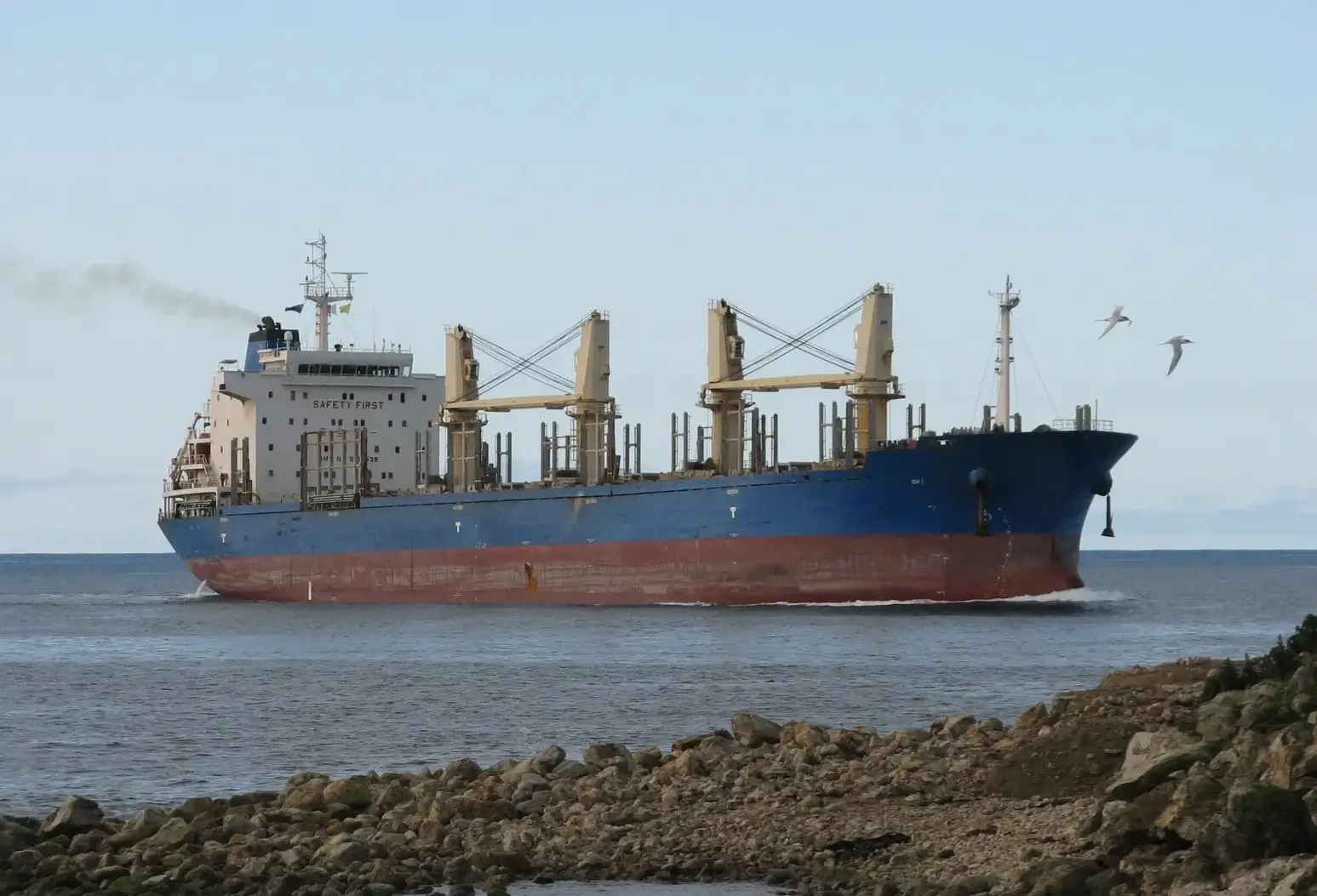
Location: Caofeidian
Size: 31917DWT
Built Year: 2010
Price: $-
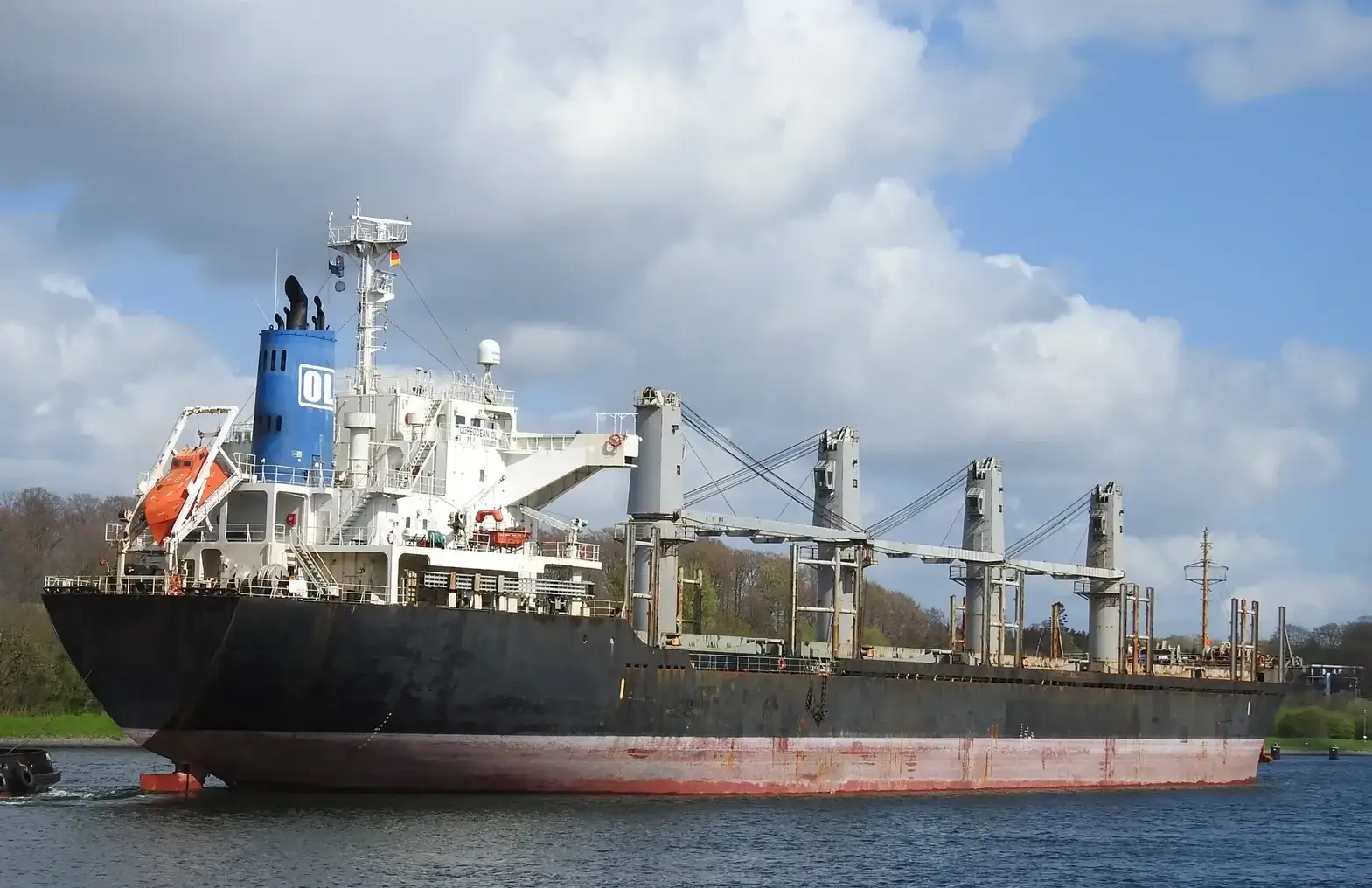
Location: Singapore
Size: 28358DWT
Built Year: 2009
Price: $-
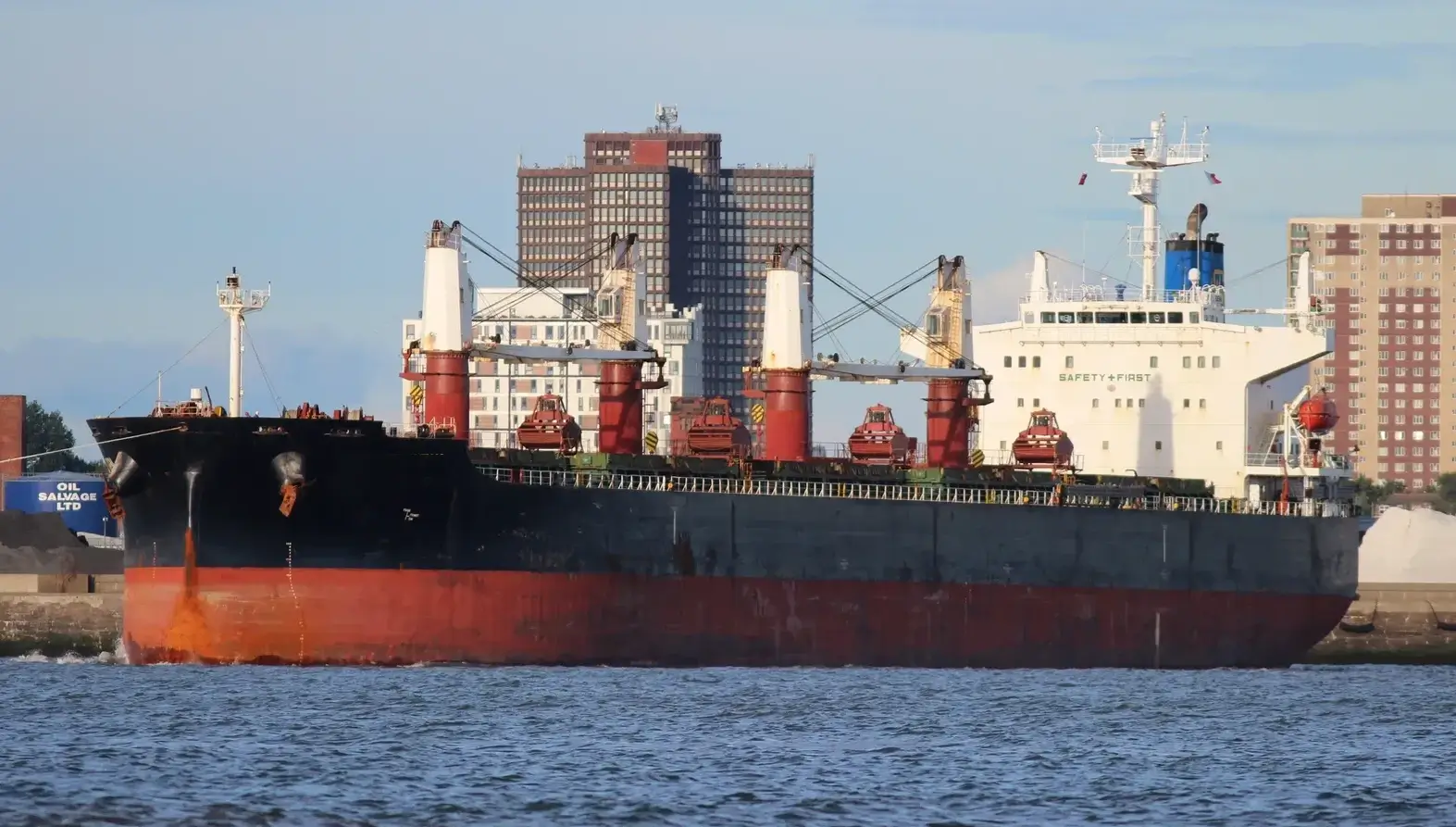
Location: Salalah-Oman
Size: 55073DWT
Built Year: 2010
Price: $-
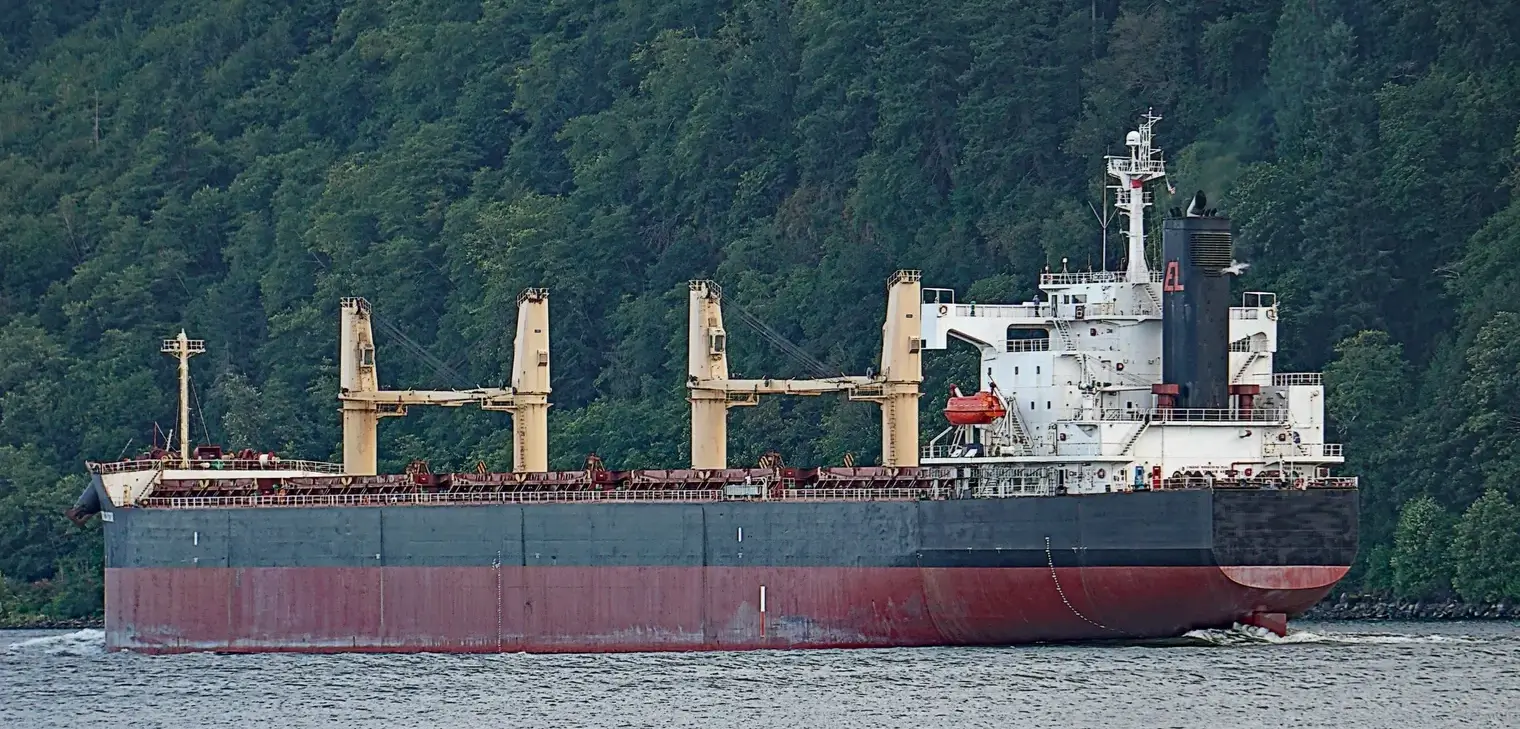
Location: -
Size: 58811DWT
Built Year: 2007
Price: $-
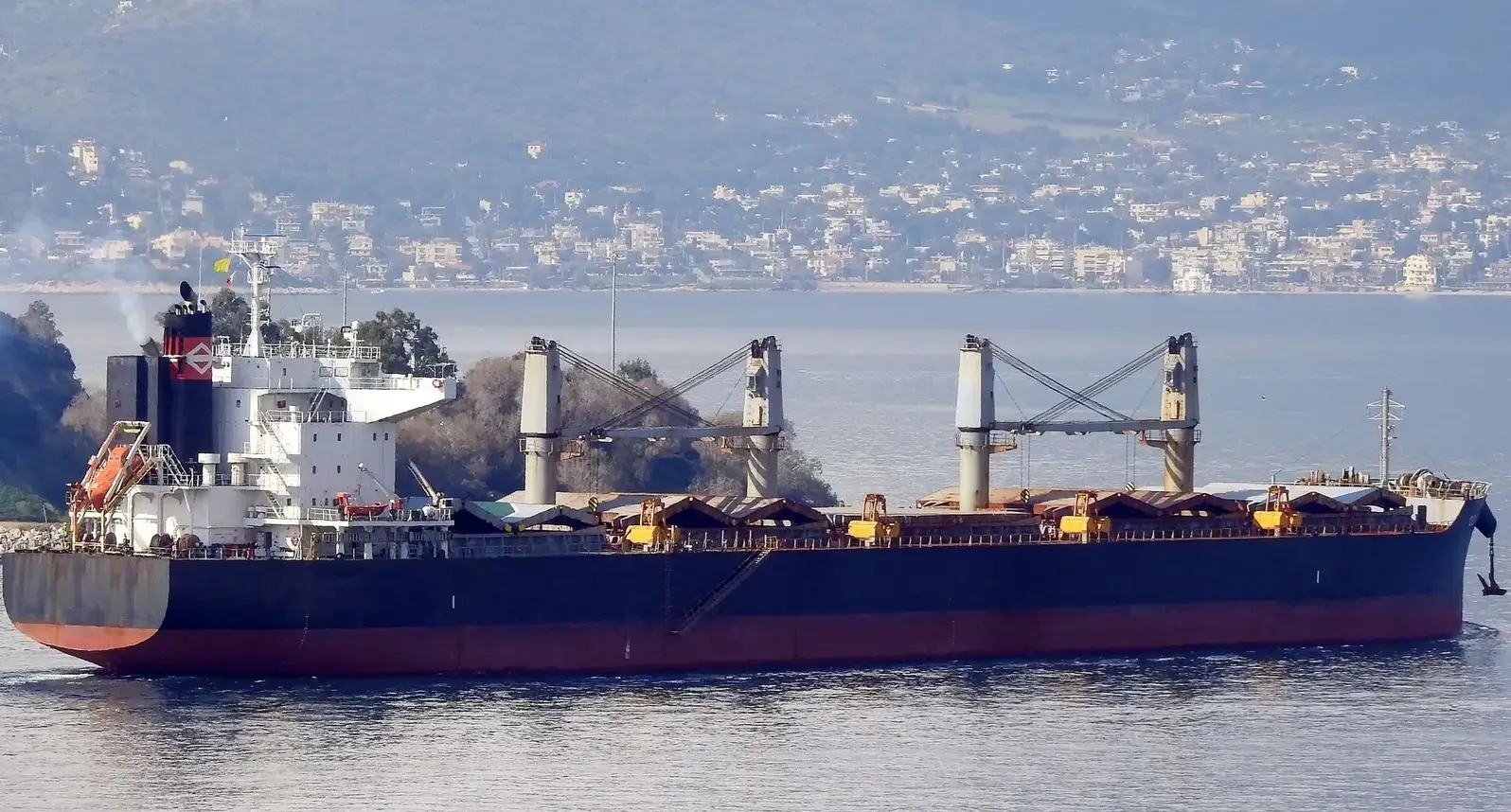
Location: AG
Size: 61377DWT
Built Year: 2013
Price: $-
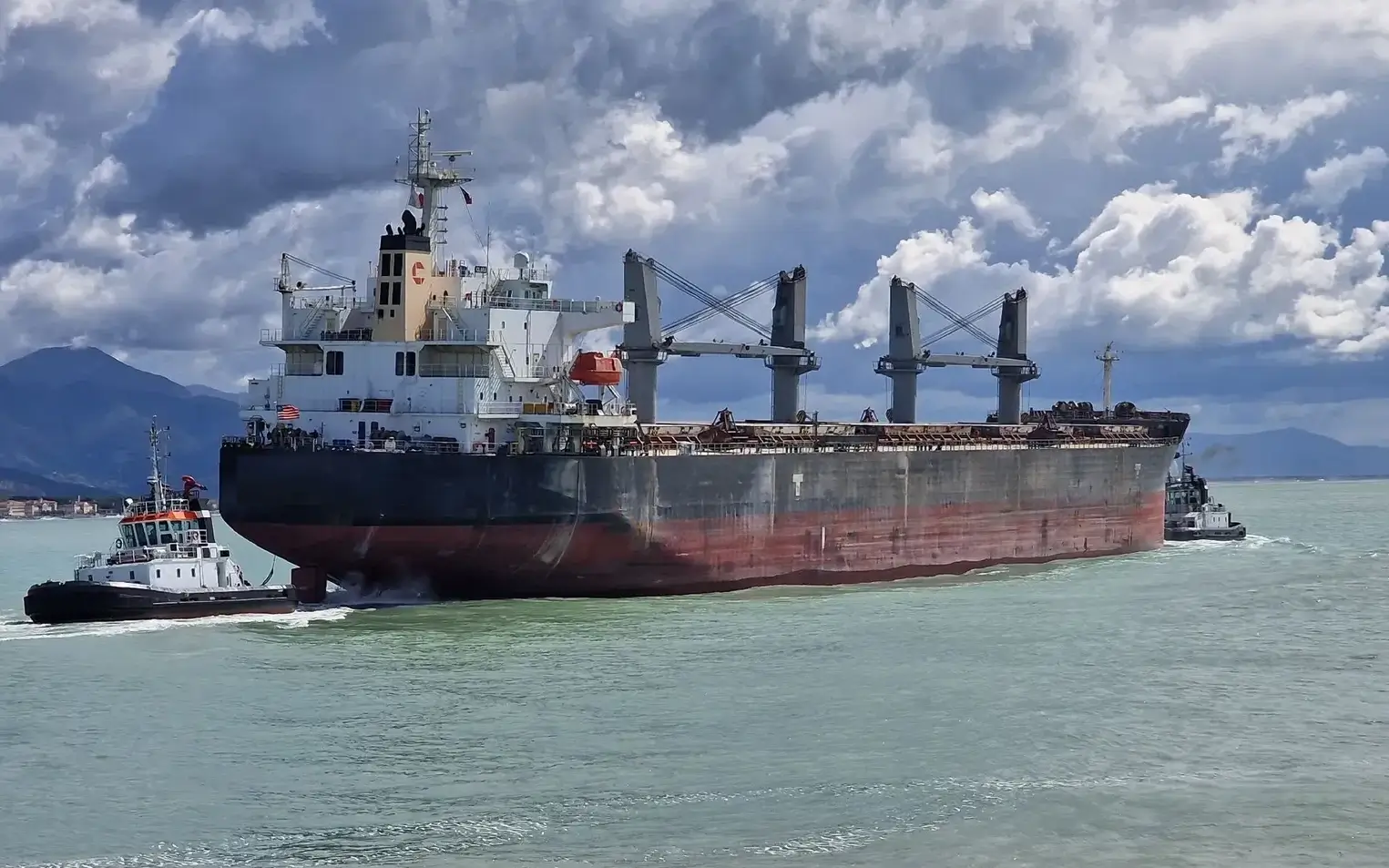
Location: China
Size: 56557DWT
Built Year: 2008
Price: $-
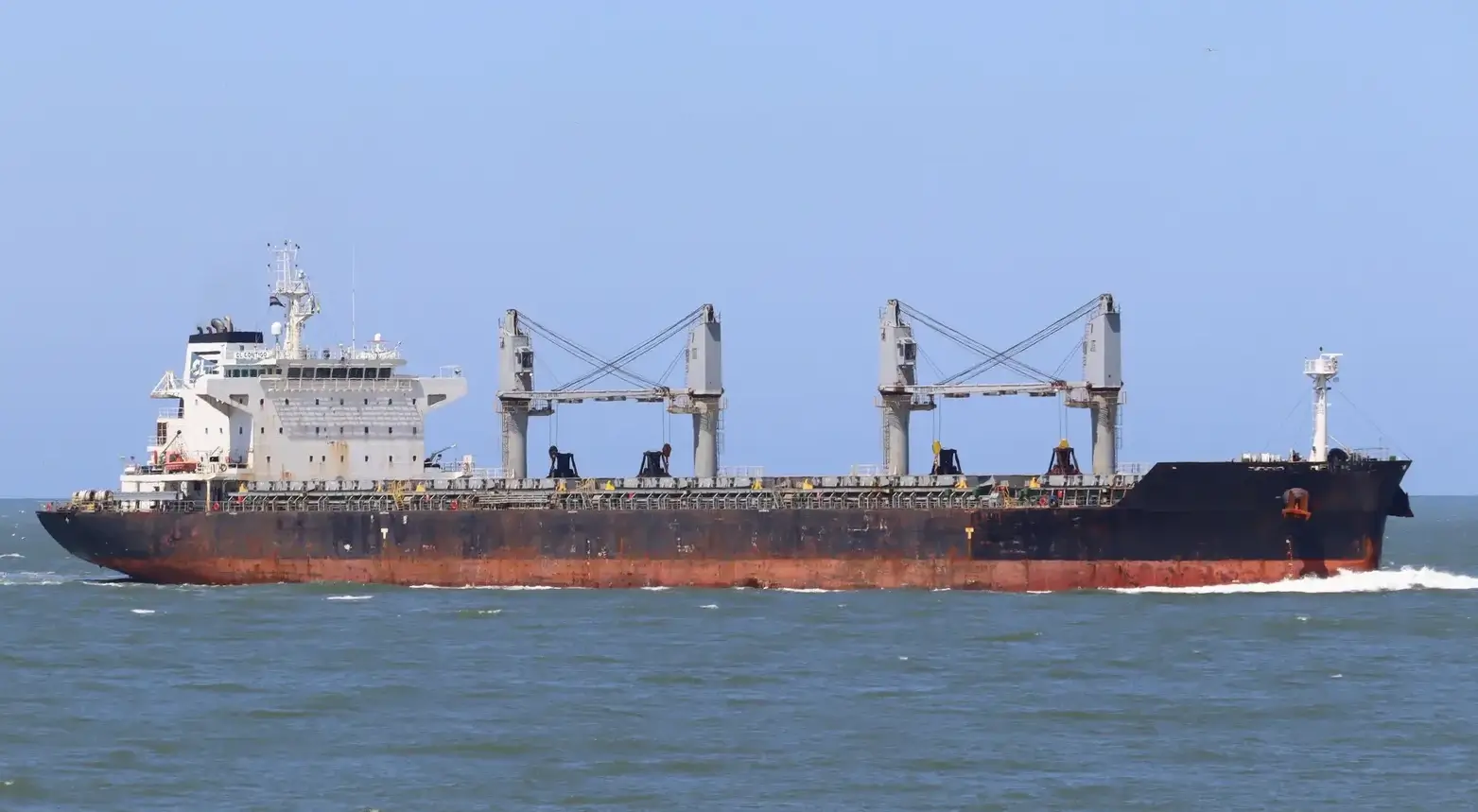
Location: Brevik, Norway
Size: 40799DWT
Built Year: 2015
Price: $-
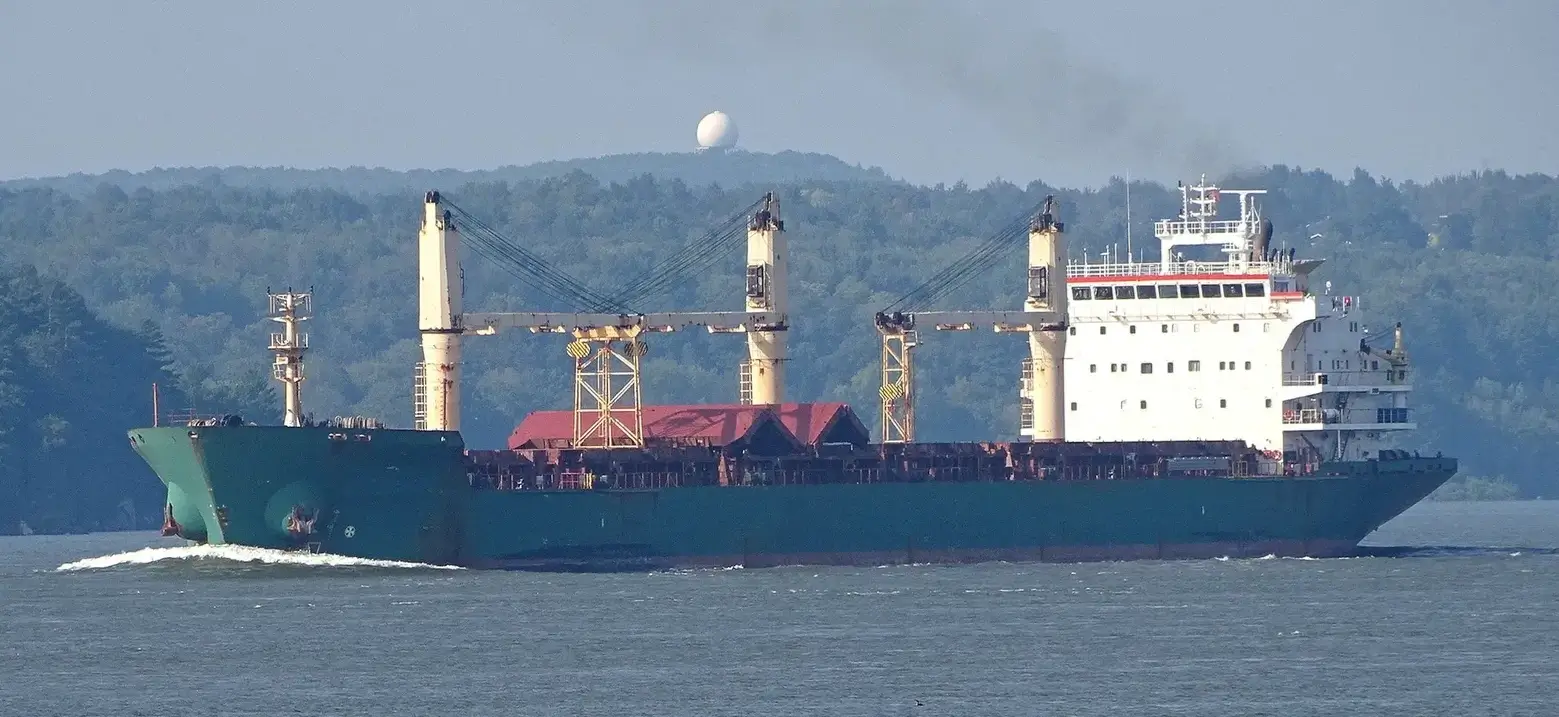
Location: -
Size: 26722DWT
Built Year: 2003
Price: $-
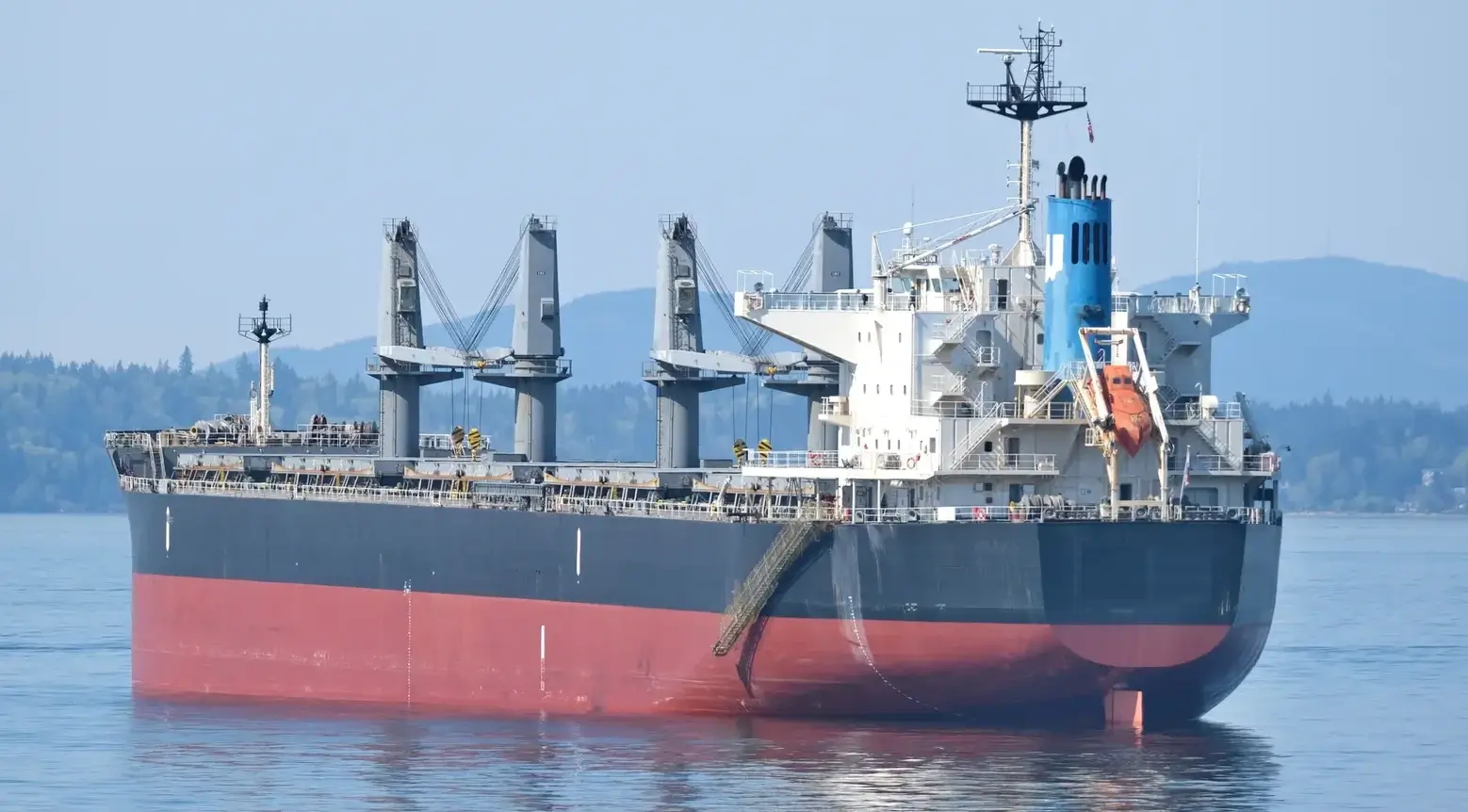
Location: Morowali, Indonesia
Size: 56097DWT
Built Year: 2013
Price: $-
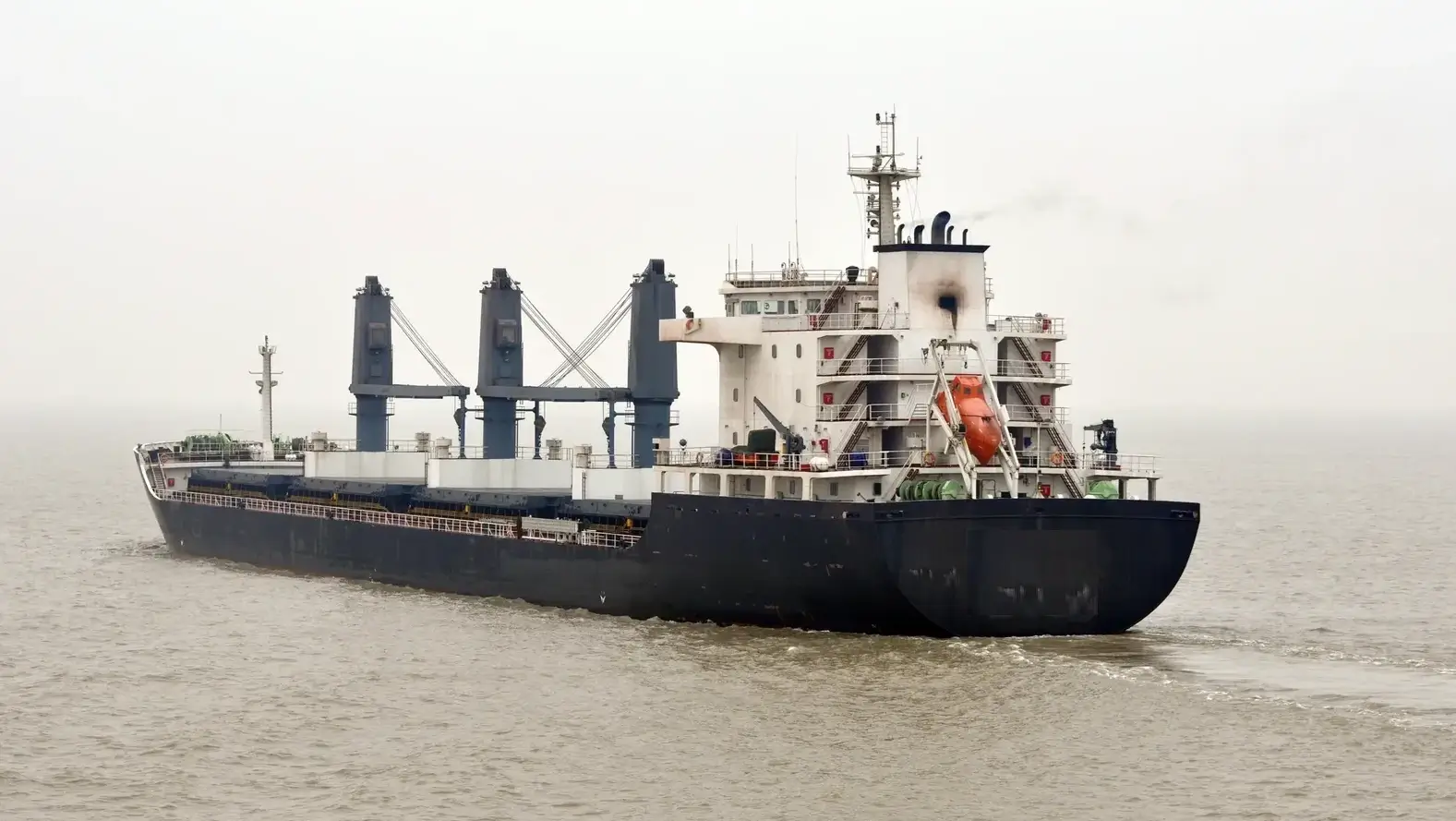
Location: Far East.
Size: 27000DWT
Built Year: 2010
Price: $-
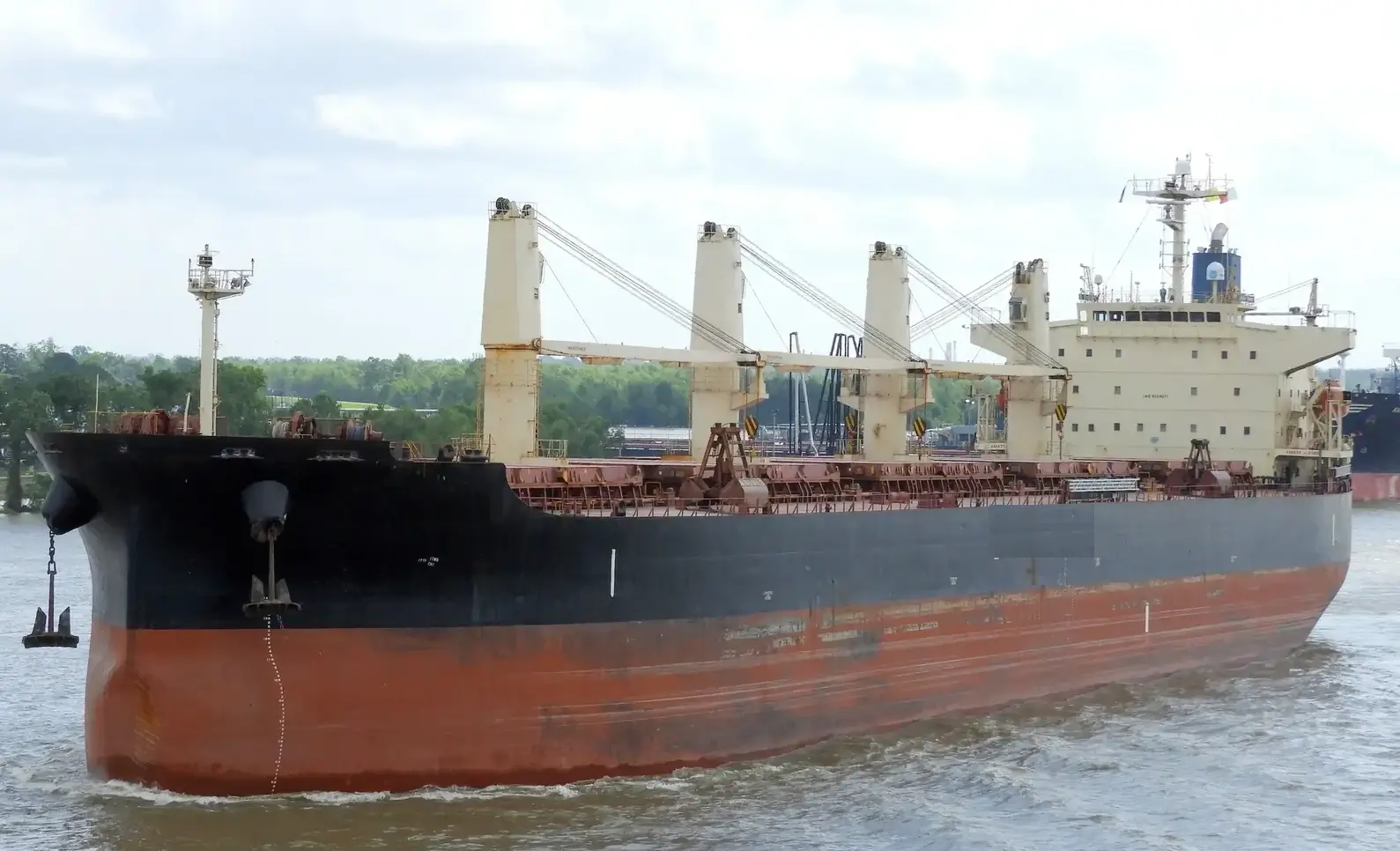
Location: -
Size: 55814DWT
Built Year: 2006
Price: $-
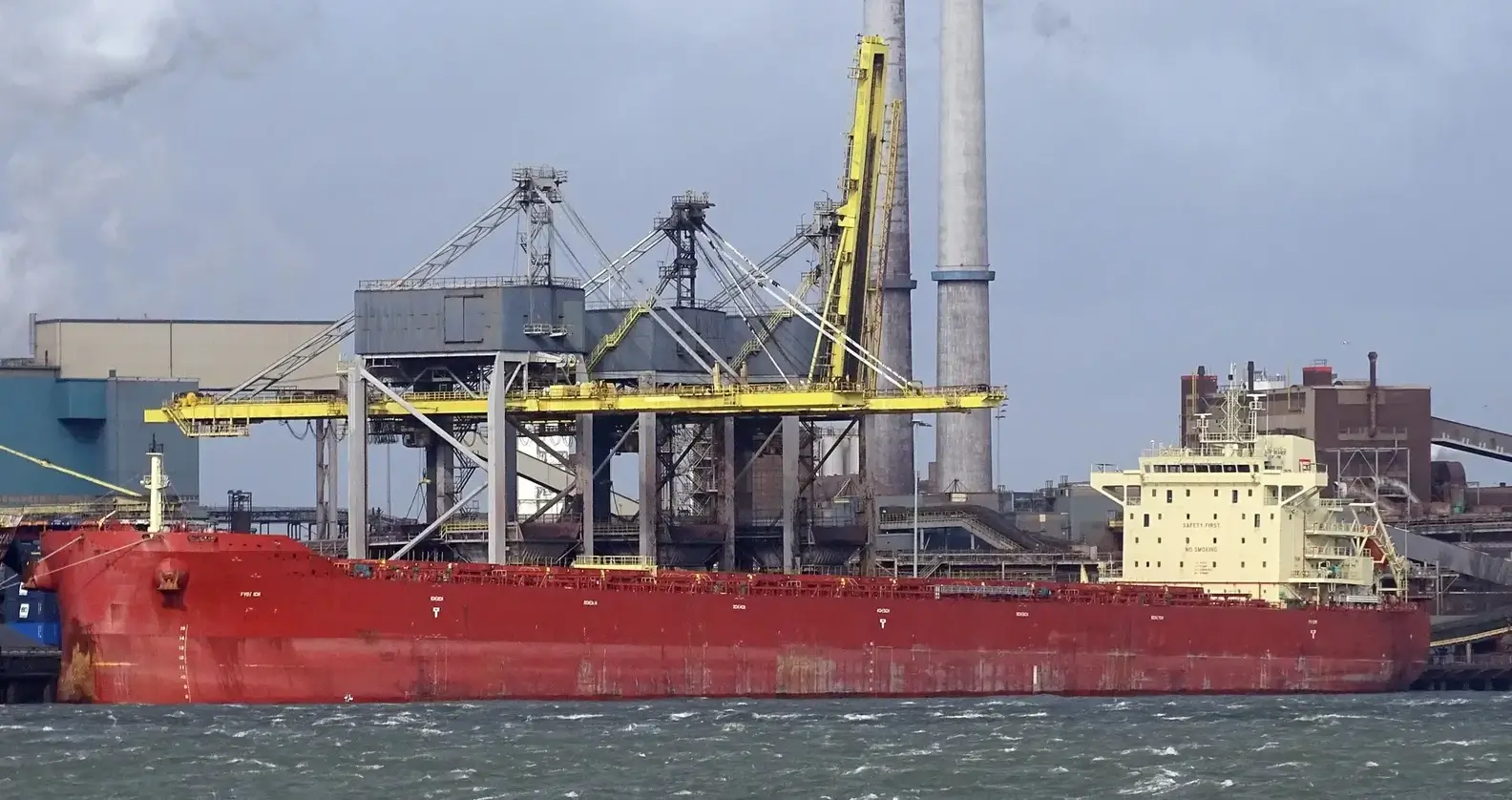
Location: -
Size: 81966DWT
Built Year: 2017
Price: $-
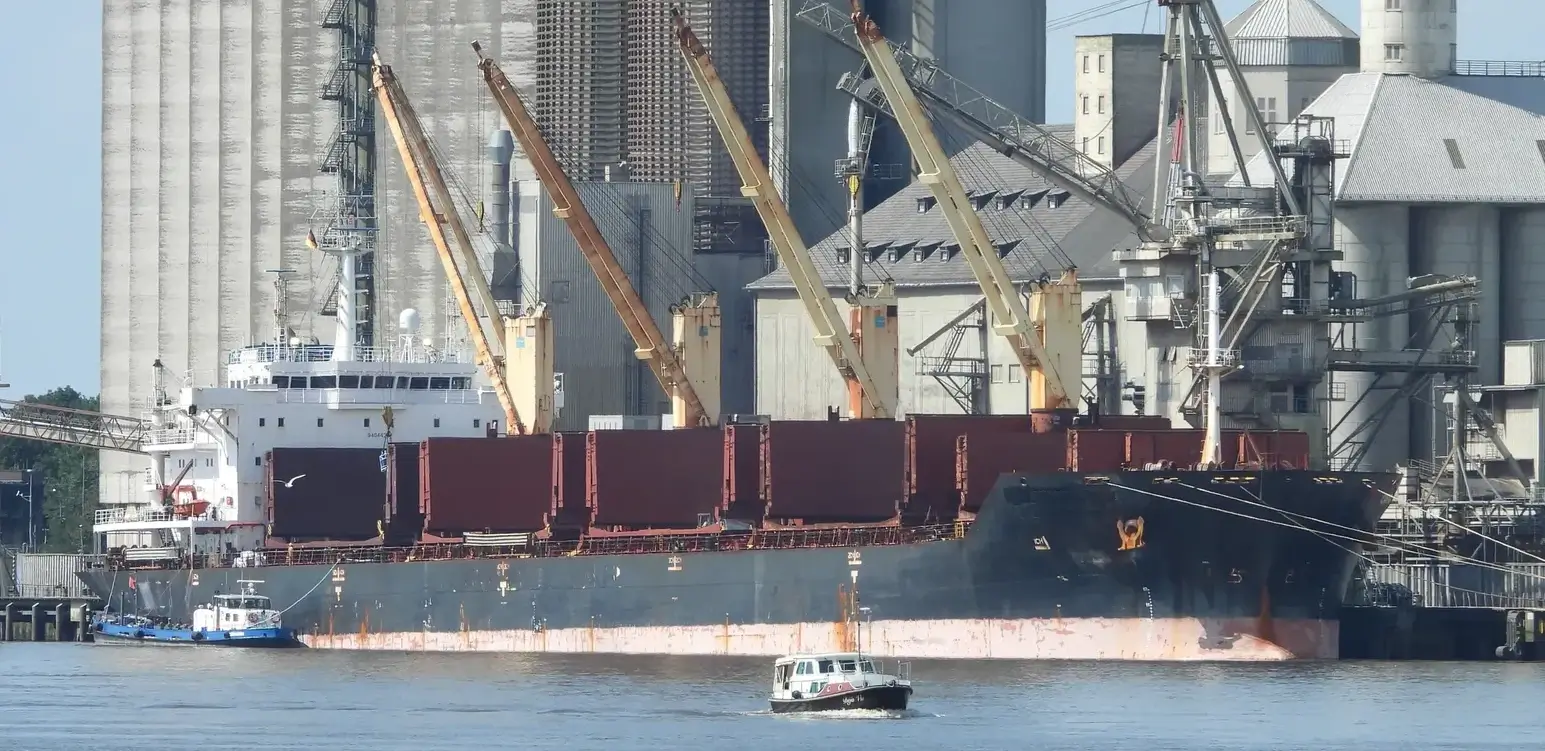
Location: Cagliari
Size: 38816DWT
Built Year: 2009
Price: $-
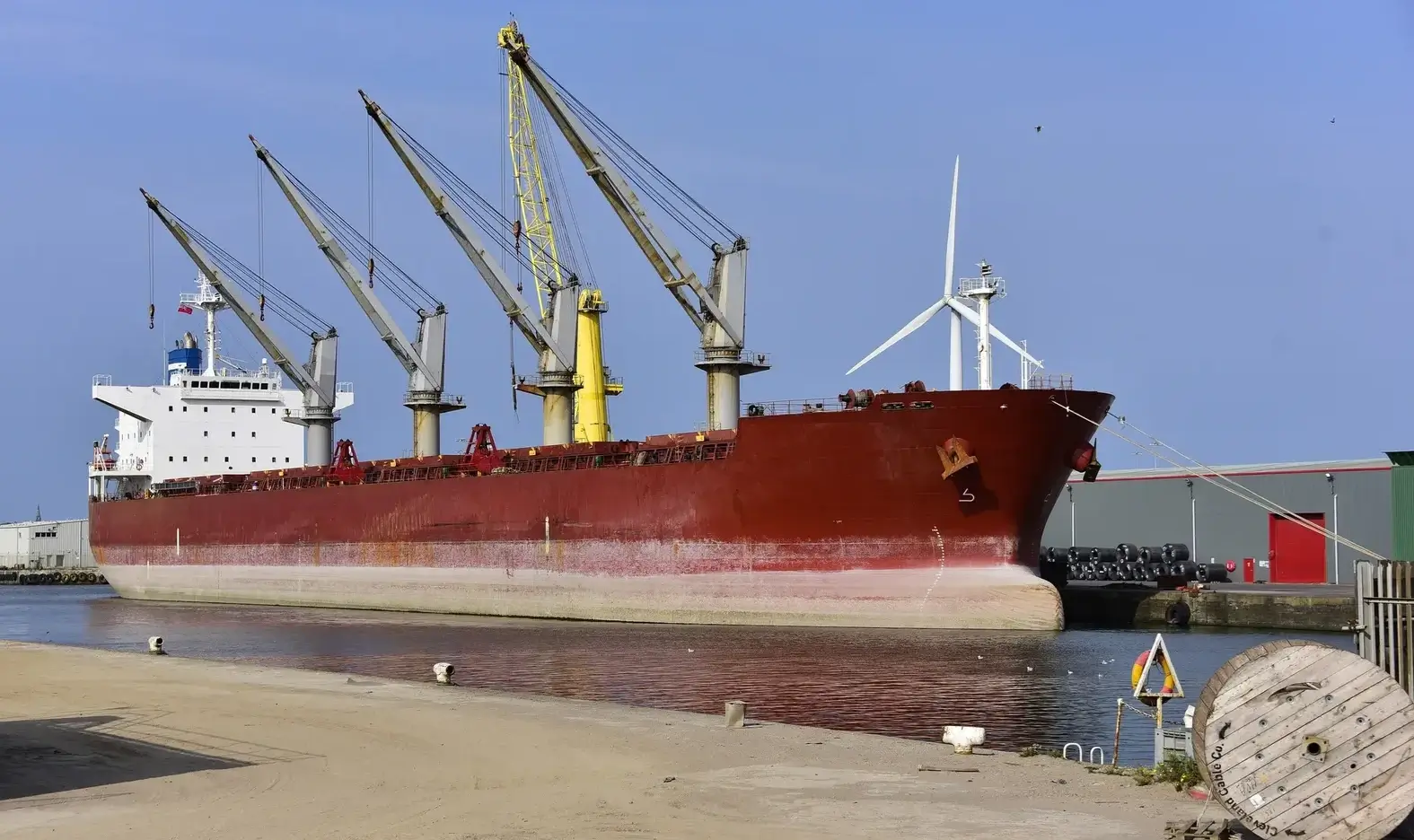
Location: Atlantic / Far East
Size: 55499DWT
Built Year: 2010
Price: $-
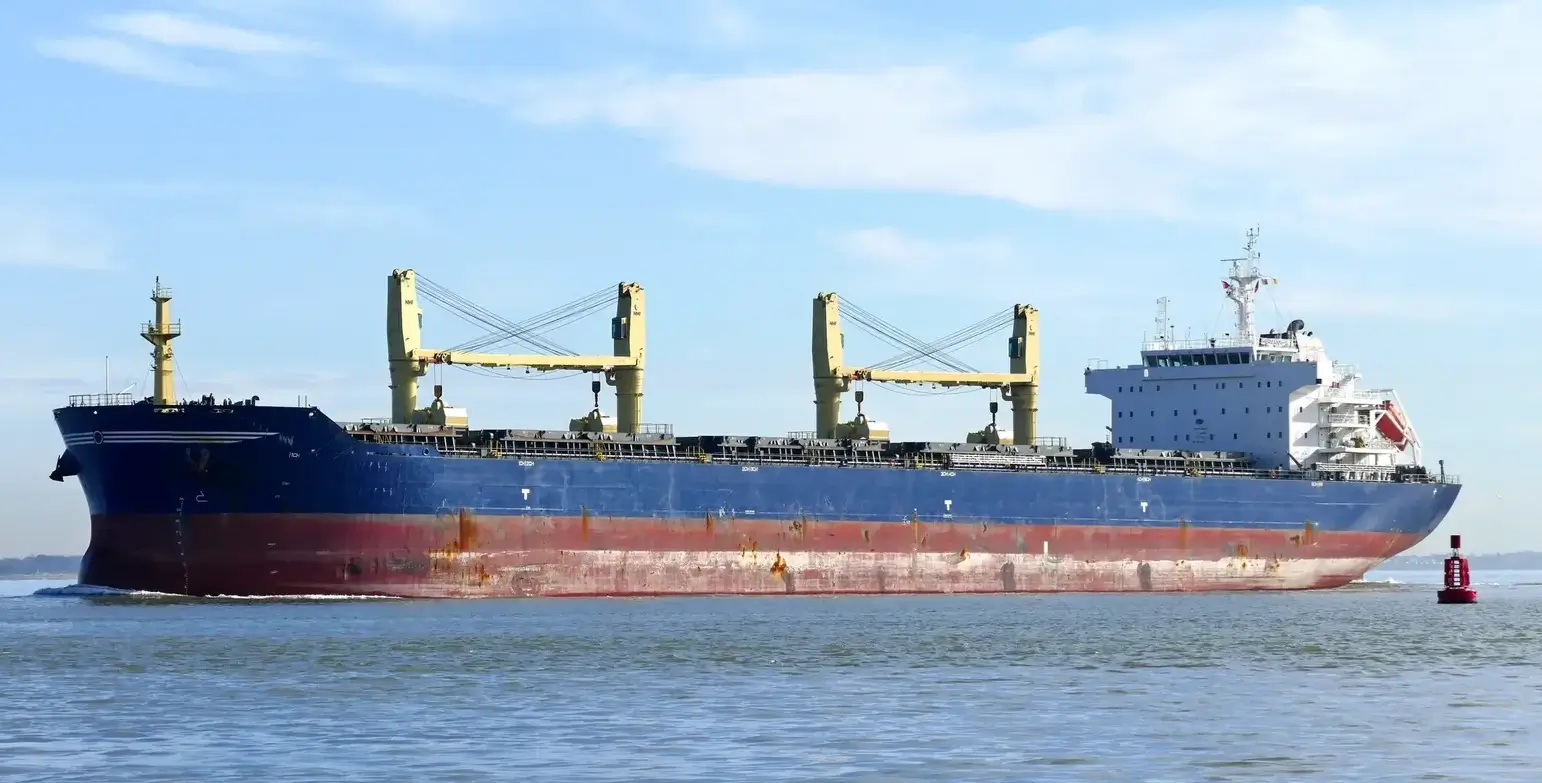
Location: -
Size: 2009
Built Year: 2009
Price: $-
Apsshipbrokers a Source to buy a Quality Used Bulk Carriers Ship Worldwide
Welcome to the definitive resource for purchasing used bulk carrier vessels. Whether you are an established shipping operator expanding your dry bulker fleet or a new entrant seeking your first vessel, we offer an extensive selection of quality pre-owned bulk carriers ranging Dead Weight from 3,000 DWT small bulkers to 400,000 DWT Vale max giants. Our inventory encompasses all major bulk carrier categories, ages, and specifications to meet diverse cargo requirements and trading patterns across global dry bulk markets.
The used bulk carrier market presents compelling opportunities for buyers seeking proven vessels with documented performance histories at attractive valuations. Unlike new buildings requiring 18-30 months for delivery, used bulk carriers offer immediate availability, enabling you to capitalize on favorable freight markets or secure long-term contracts without delay. Our portfolio includes vessels from the world's most prestigious shipyards in Japan, South Korea, China, and Europe, ensuring structural integrity, reliability, and strong resale potential.
Compact vessels serving niche regional markets, river trades, and coastal distribution networks where larger tonnage cannot operate. Shallow drafts (5-7 meters) make them ideal for short-sea shipping, island trades, and specialized routes.
Most versatile segment in dry bulk shipping, combining port flexibility with economical cargo capacity. Typically 25,000-35,000 DWT with drafts around 9-10 meters, accessing ~90% of global ports. Often feature onboard cranes for cargo handling independence.
Bridge the gap between Handysize flexibility and Panamax capacity. Access most secondary ports while offering improved economies of scale. Split between geared and gear-less vessels.
Workhorse of the modern bulk carrier fleet. Typically 52,000-58,000 DWT, four or five cargo holds, onboard cranes, dominating global grain trades, coal movements, steel products, and project cargoes.
Evolution of Supramax, around 61,000-64,000 DWT with improved fuel efficiency and cargo flexibility. Wide beam design optimizes hold capacity while maintaining Panamax beam restrictions.
Designed to transit Panama Canal (pre-expansion). Typically 70,000-82,000 DWT. Gear-less, ideal for coal, grain, and iron ore movements. Drafts 12-14 meters.
Optimized Panamax designs with maximum cargo capacity. Typically 82,000-84,000 DWT. Preferred for coal, grain, and minor bulk trades.
The largest bulk carriers, including Valemax (~400,000 DWT), designed for Brazilian iron ore exports to Asia. Massive economies of scale but limited port flexibility.
Fresh-from-drydock vessels command premiums; those approaching survey trade at discounts reflecting upcoming drydock costs. Typical ranges:
We maintain the industry's most comprehensive database of available used bulk carrier ship for sale. Our experienced brokers provide technical assessments, inspections, negotiations, and guidance throughout documentation and delivery. Whether acquiring a single vessel or assembling a diversified fleet, our global network ensures access to the best opportunities across all segments, ages, and specifications.
Ready to explore our current bulker ship for sale inventory? Contact our specialized dry bulk brokers today for personalized guidance and exclusive listings tailored to your requirements.
Question 1: What is the best size bulk carrier ship for sale for first-time buyers?
Answer: Handysize (10,000–40,000 DWT) and Supramax (50,000–60,000 DWT) bulk carriers are often ideal for first-time buyers. They offer excellent port flexibility, moderate capital investment, and steady charter demand across global trade routes.
Question 2: Is it better to buy new or used?
Answer: Purchasing a used bulk carrier ship provides immediate delivery and lower capital expenditure compared to newbuildings. Used vessels are particularly attractive during strong freight markets when quick market entry is important.
Question 3: How long does it take to complete a bulk carrier purchase?
Answer: The transaction typically takes 4–8 weeks after signing the Memorandum of Agreement (MOA), depending on inspection timelines, financing arrangements, and documentation clearance.
Question 4: What inspections are required before purchase?
Answer: Recommended inspections include:
• Pre-Purchase Inspection (PPI)
• Review of class records
• Steel thickness measurements
• Machinery performance evaluation
• Verification of statutory and trading certificates
These steps help minimize technical and operational risks.
Question 5: Do geared bulk carriers earn higher charter rates?
Answer: Yes. Geared bulk carriers equipped with onboard cranes often command premium charter rates because they can operate at ports lacking shore-based cargo handling equipment, increasing their trading flexibility.
Question 6: How does vessel age affect resale value?
Answer: Younger eco-design vessels typically achieve stronger resale values and better charter appeal due to improved fuel efficiency and environmental compliance. Older vessels may face trading limitations and stricter regulatory requirements depending on their age and technical condition.
Question 7: What cargoes do bulk carriers typically transport?
Answer: Bulk carriers commonly transport major bulk commodities such as iron ore, coal, and grain, as well as minor bulk cargoes including bauxite, fertilizers, steel products, cement clinker, and other dry bulk materials.
Question 8: How can APS Shipbrokers help me find the right bulk carrier ship for sale?
Answer: APS Shipbrokers provides comprehensive support including vessel sourcing, technical evaluation, market intelligence, price negotiation, documentation review, inspection coordination, and transaction management from initial inquiry through to vessel delivery.
Apsshiprokers also deals in Tanker ship for sale // Container ship for sale /// Bulk carrier ship for sale //// Offshore ship for sale // Livestock carrier for sale /// RoRo ship for sale /// Ship finance company // Passenger ship for sale