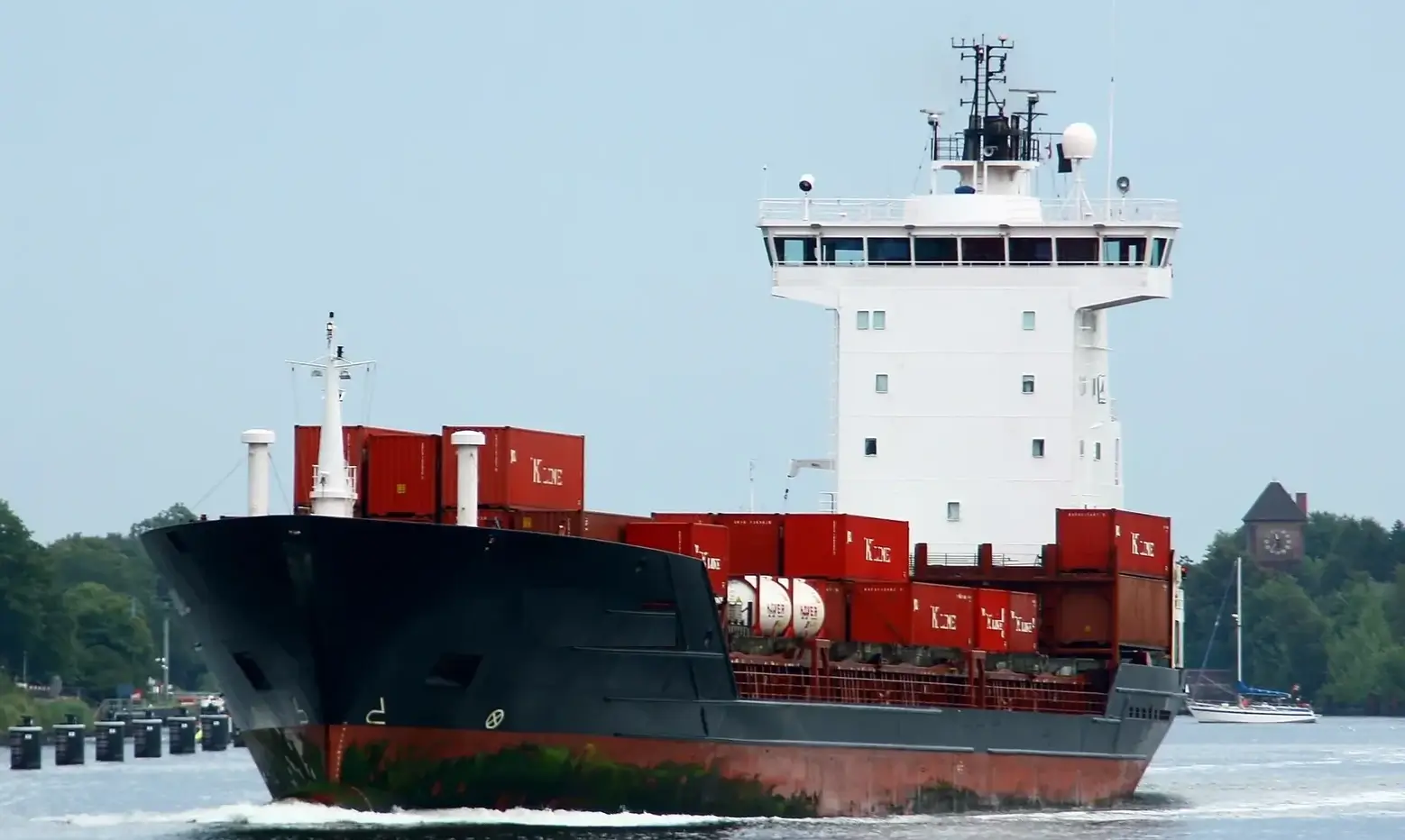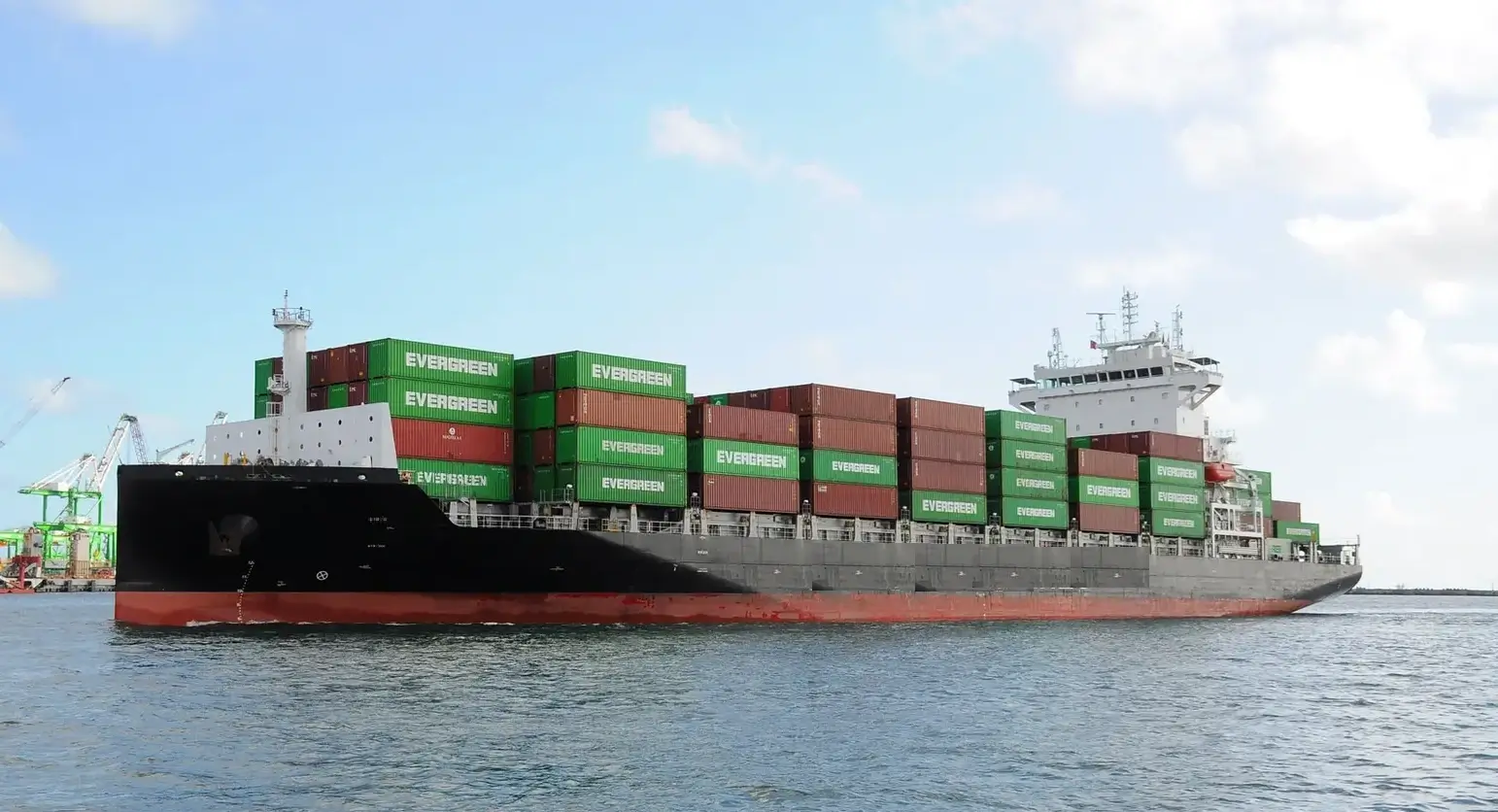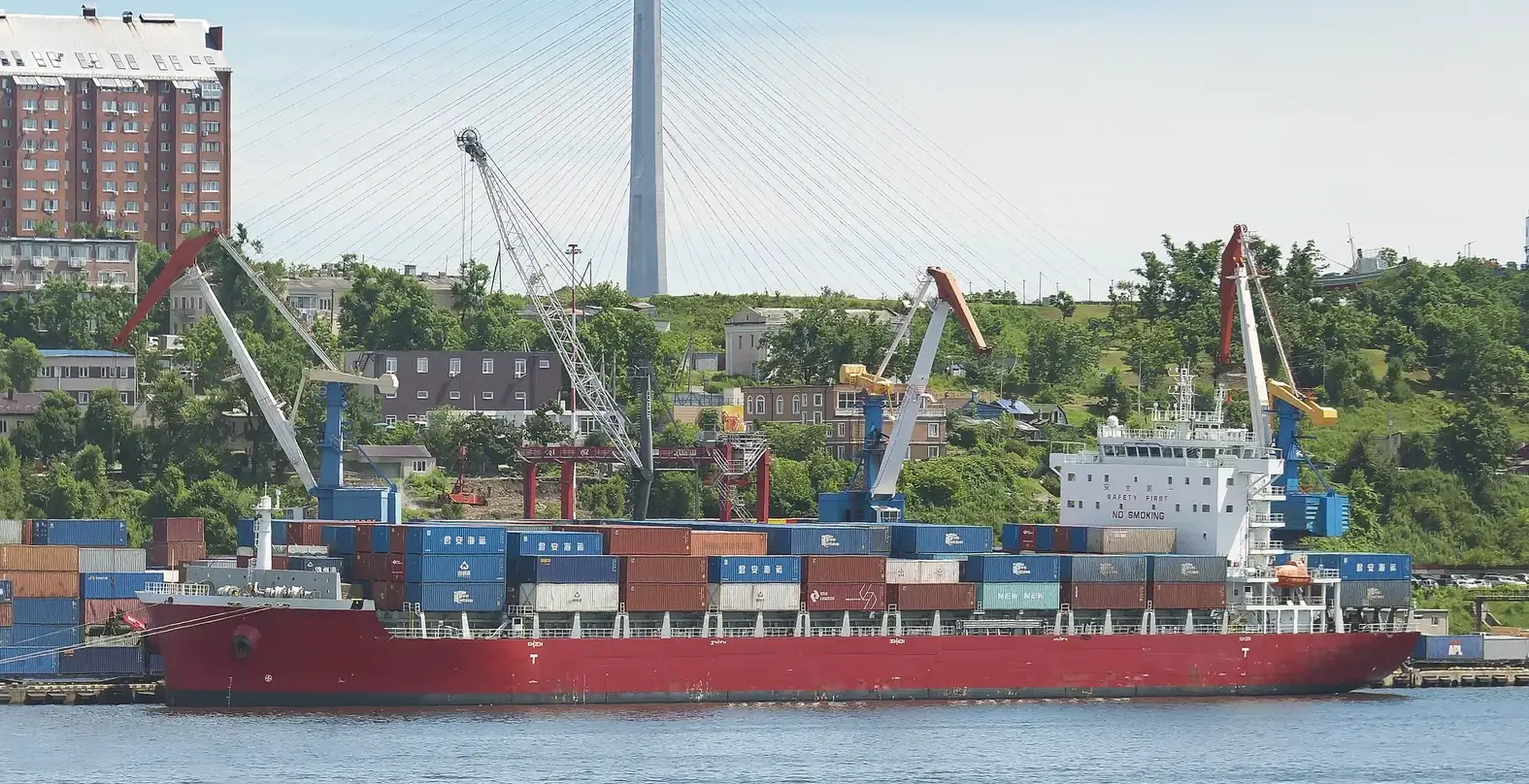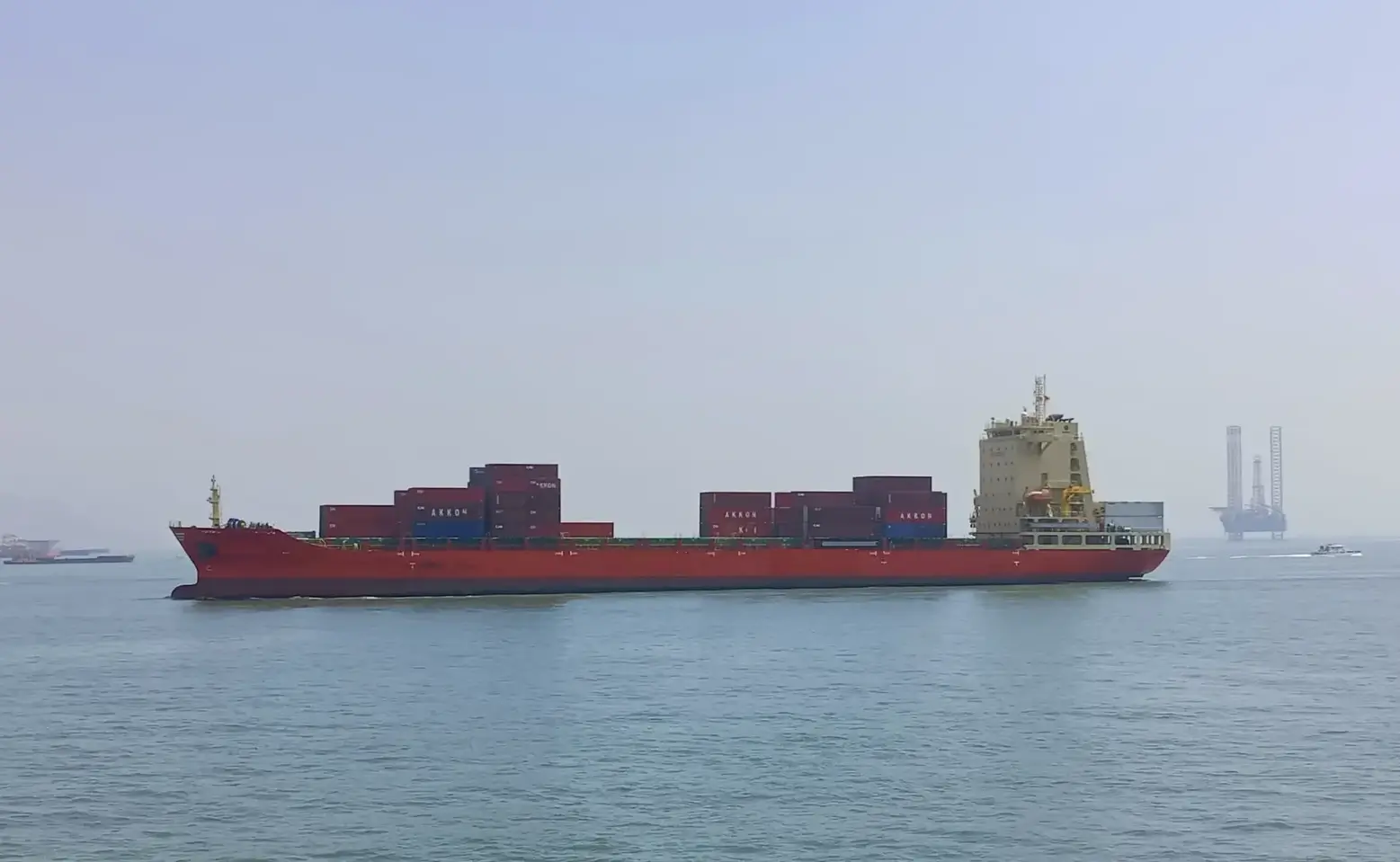
Container Ship For Sale

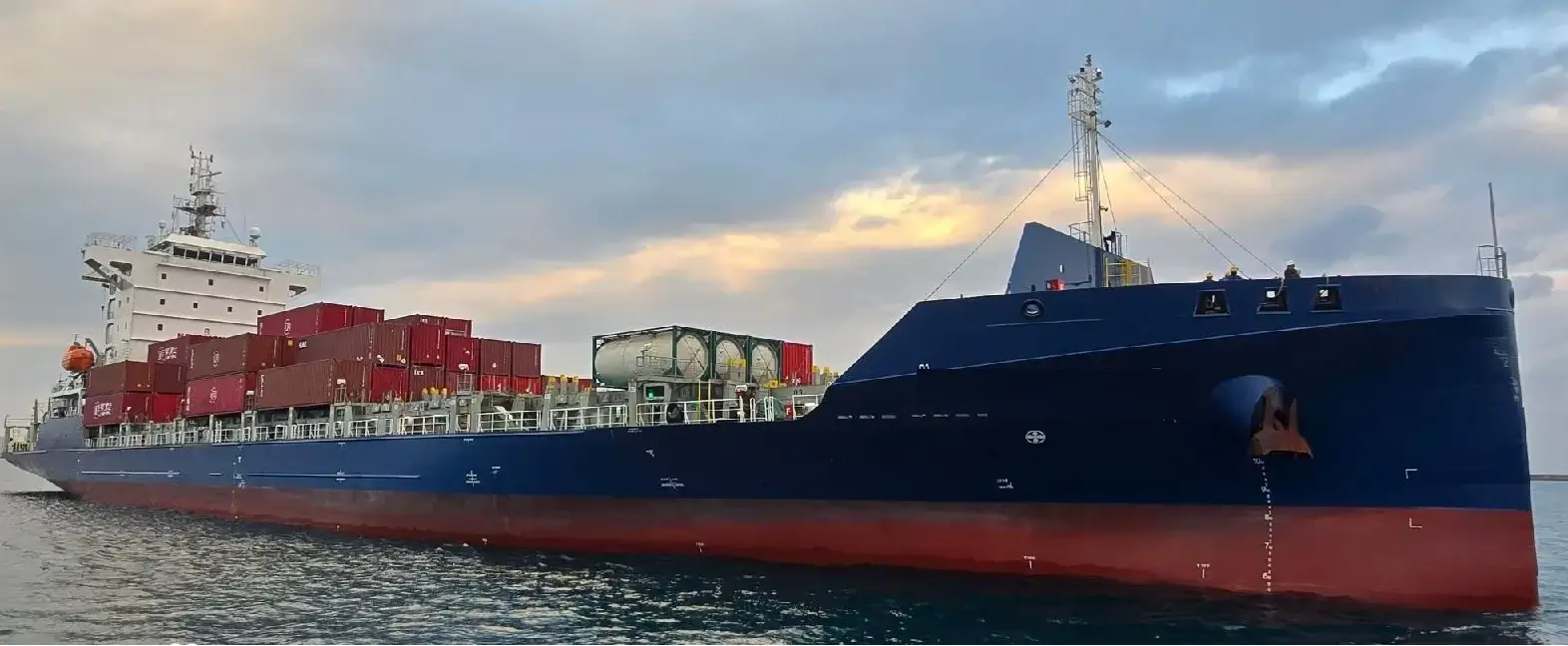
CoNTAINER NEPTUNE

CoNTAINER NEPTUNE

Location: -

Size: 7864DWT

Built Year: 2004

Price: $-

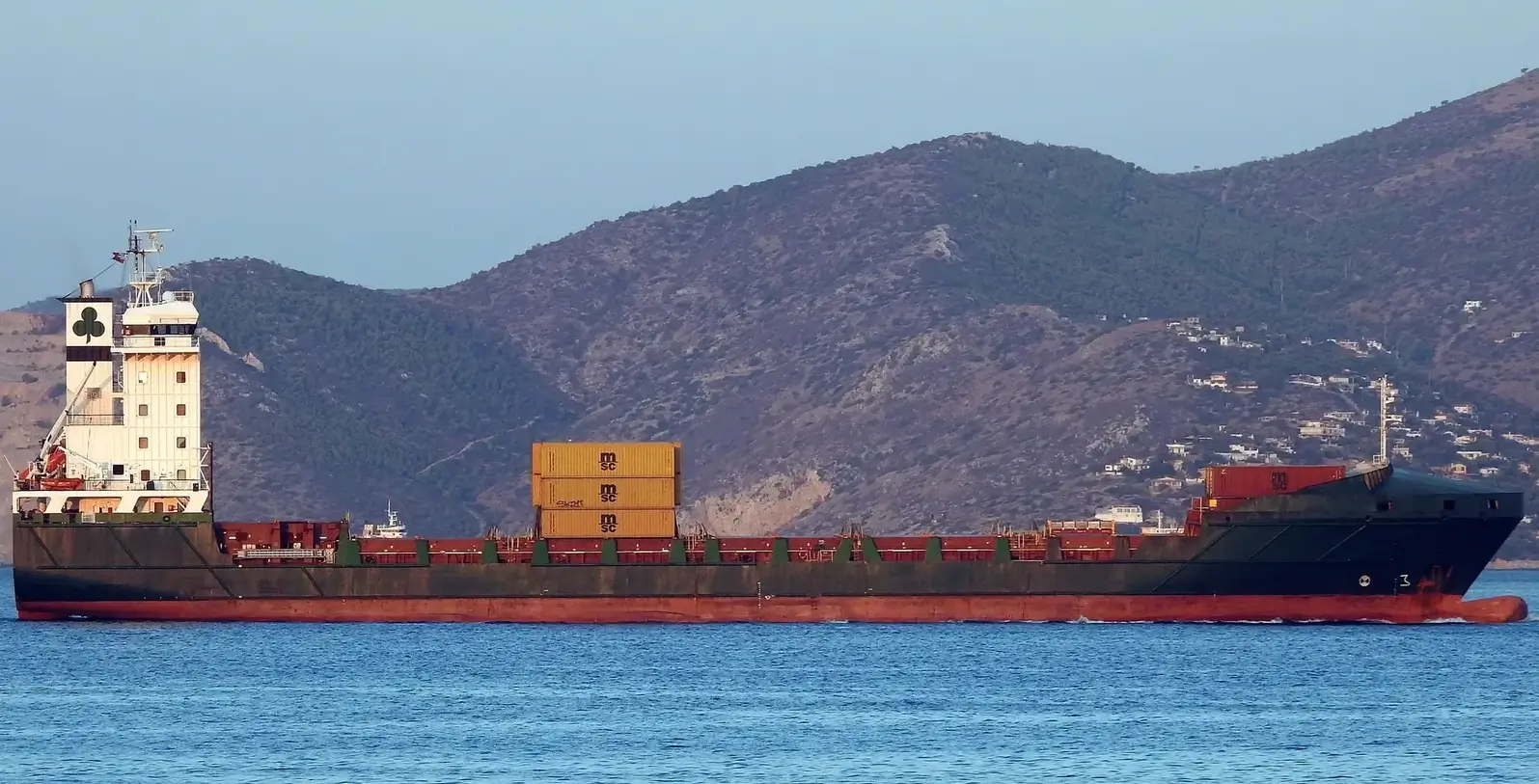
CoNTAINER +NEPTUNE LINE 21+ (ex +TAO XIONG 07+)
TYPE CONTAINER, SUBTYPE Container
DWT 7864 MTS ON 6.8M DRFT
BLT 12/2004 AT Zhejiang Zhenhua Shipbuilding Co Ltd - Yueqing ZJ,CHINA
CLASS IT
GRT 6595 NRT 2868
LOA/B/D 124.5/19.8/8.75 M
HOLDS 0, HATCHES 0
TEU: 600
M/E Yes, Design Unknown,BHP 5199
CoNTAINER MUNKSUND

CoNTAINER MUNKSUND

Location: NW Europe.

Size: 14564DWT

Built Year: 2012

Price: $16.3M

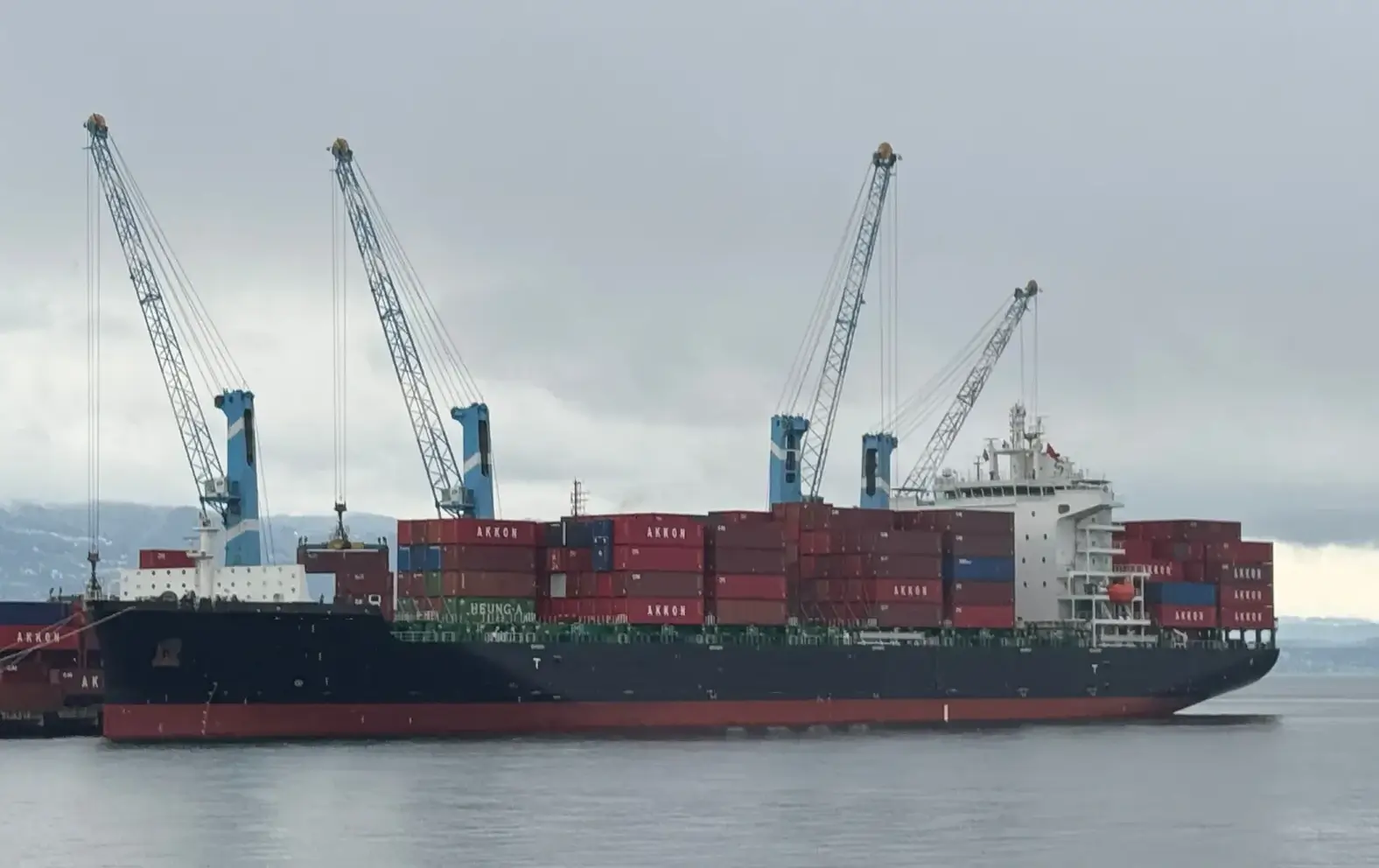
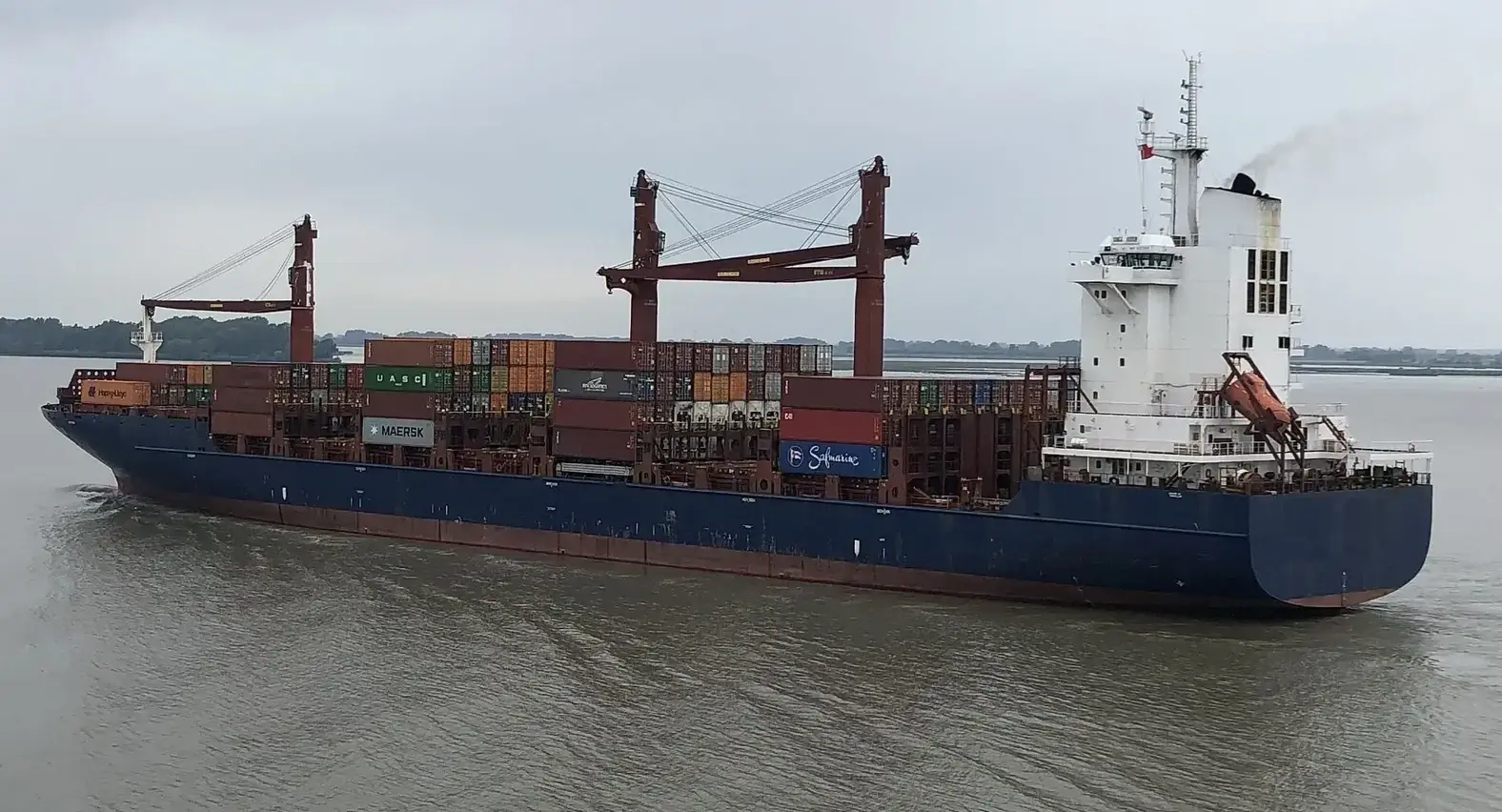
CoNTAINER +MUNKSUND+ (ex +SCA MUNKSUND+)
TYPE CONTAINER, SUBTYPE Container
DWT 14564 MTS ON 8.6M DRFT
BLT 5/2012 AT Fujian Mawei Shipbuilding Ltd - Fuzhou FJ,CHINA
CLASS NV SS 7/5/2029 DD 7/5/2027
GRT 11746 NRT 5839
LOA/B/D 157.6/23.54/11.51 M
HOLDS 3, HATCHES 3
TEU: 1018, Refr. Points: 249
M/E MaK 9M43C,BHP 12236
SPEED 18.3 KNOTS ON 37 TS
GENERATORS: 1 (Shaft),2
LDT: 6267 MT

TC free around 23rd September in NW Europe.
Ideas excess USD 16 mio.
The ship was recently inspected by Aalmar and scored a good 8.2 points. (inspection report in hand)
PRICE: 16.3000 MILL. USD
CoNTAINER CONTSHIP ONO

CoNTAINER CONTSHIP ONO

Location: Jinling Shipyard - Nanjing JS,CHINA

Size: 13803DWT

Built Year: 2007

Price: $11.5M

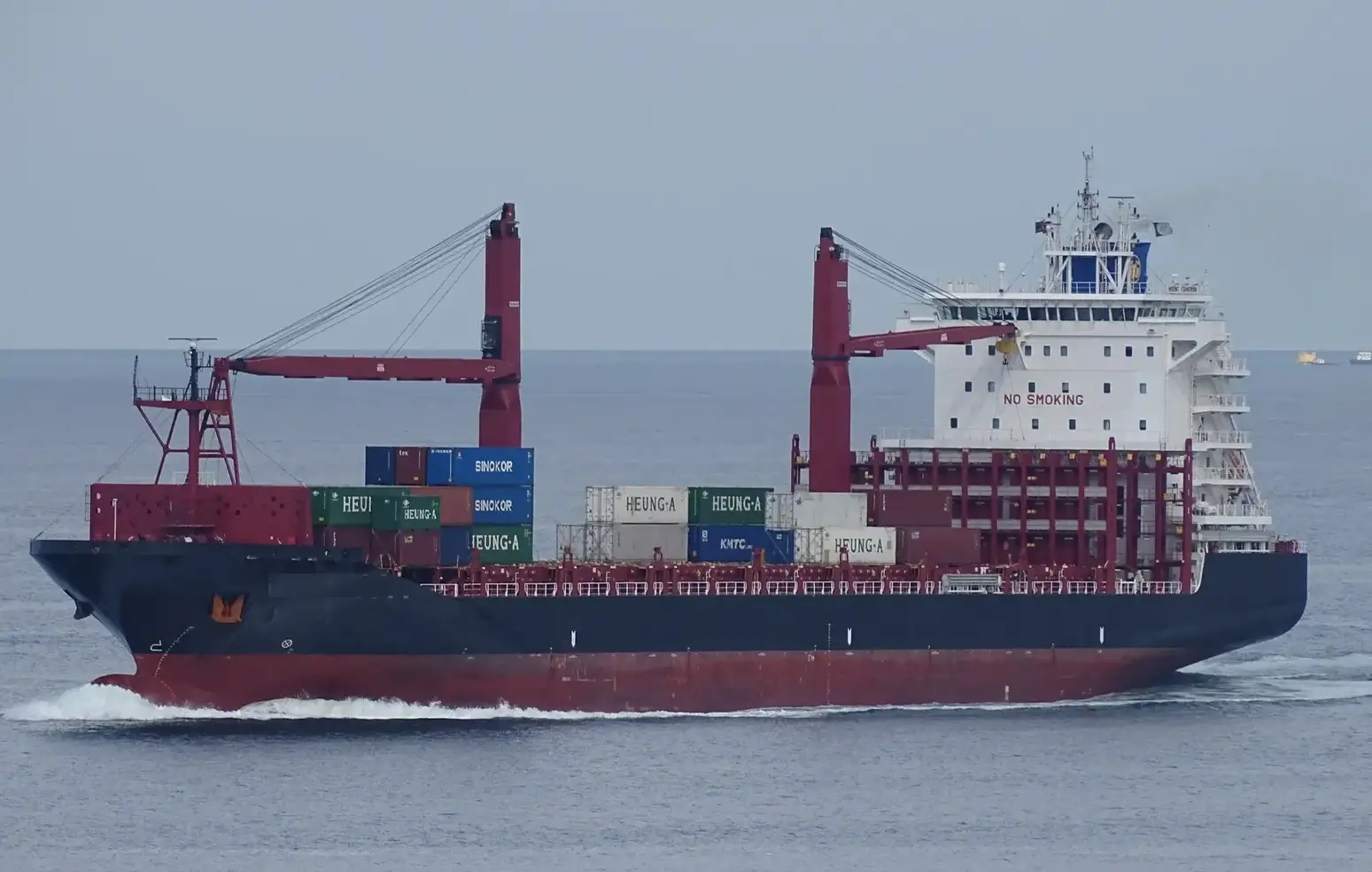
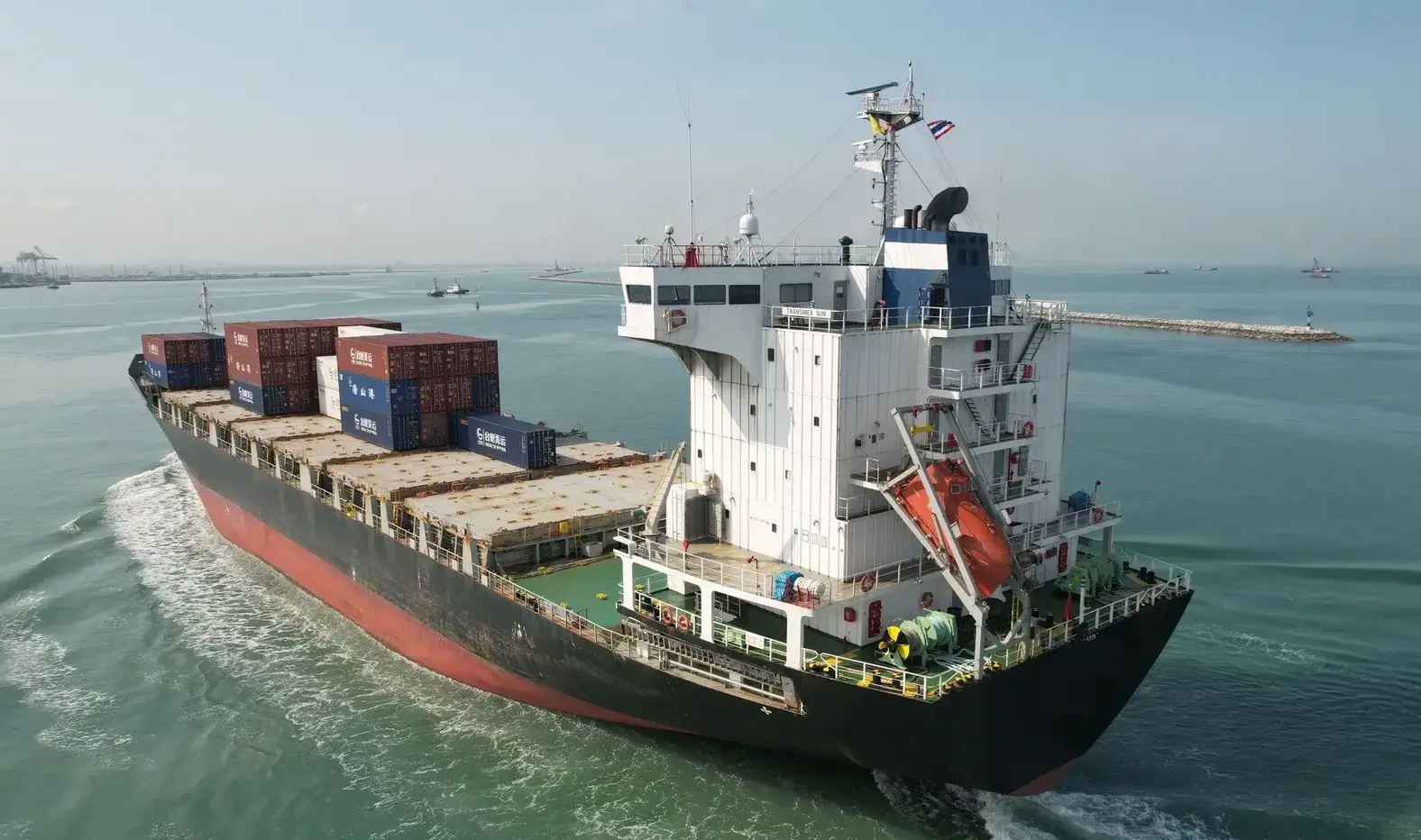
CoNTAINER +CONTSHIP ONO+ (ex +BC SINGAPORE+)
TYPE CONTAINER, SUBTYPE Container
DWT 13803 MTS ON 8.5M DRFT
BLT 1/2007 AT Jinling Shipyard - Nanjing JS,CHINA
CLASS NV SS 1/9/2027 DD 12/25/2024
GRT 9957 NRT 5032
LOA/B/D 147.74/23.28/11.5 M
HOLDS 0, HATCHES 0
GEARS: 2 X 45t CRANES
TEU: 1080, Refr. Points: 220
M/E MAN 7L58/64,BHP 13229
SPEED 19.6 KNOTS ON 38.5 TS
GENERATORS: 1 (Shaft),3
LDT: 5178 MT

Class: BV
Next SS/DD: 01/2027
BWTS fitted
On T/C to UNIFEEDER at USD 16,250 pd, less 4.25 pct total comm, with minimum re-delivery date on 13 July 2026 - maximum re-delivery date 13 September 2026 - currently trading MED.
PRICE: 11.5000 MILL. USD
CoNTAINER CONTSHIP VIE

CoNTAINER CONTSHIP VIE

Location: Yangzhou JS,CHINA

Size: 13699DWT

Built Year: 2007

Price: $11.5M

CoNTAINER +CONTSHIP VIE+ (ex +FRISIA ILLER+)
TYPE CONTAINER, SUBTYPE Container
DWT 13699 MTS ON 8.5M DRFT
BLT 10/2007 AT Yangzhou Dayang Shipbuilding Co Ltd - Yangzhou JS,CHINA
CLASS BV SS 10/21/2027 DD 2/13/2026
GRT 9948 NRT 5020
LOA/B/D 147.83/23.28/11.5 M
HOLDS 0, HATCHES 0
GEARS: 2 X 45t CRANES
TEU: 1118, Refr. Points: 220
M/E MAN 7L58/64,BHP 13233
SPEED 19.6 KNOTS ON 38.5 TS
GENERATORS: 1 (Shaft),3
LDT: 5260 MT
Class: BV
SS / DD 10/2027
BWTS fitted
On T/C to MAERSK at USD 14,000 pd, less 2.5 pct total comm, until 14 January 2026 currently trading FEAST.
The T/C has been extended in d/c with Maersk for a further minimum 14 - maximum 16 months at USD 16,500 pd counting as from 14 January 2026.
PRICE: 11.5000 MILL. USD
CoNTAINER DNIPRO LINE

CoNTAINER DNIPRO LINE

Location: Braila,ROMANIA

Size: 3200DWT

Built Year: 1998

Price: $1.65M

CoNTAINER +DNIPRO LINE+ (ex +MANI+)
TYPE CONTAINER, SUBTYPE Container
DWT 3200 MTS ON 3.6M DRFT
BLT 5/1998 AT SC Santierul Naval SA Braila - Braila,ROMANIA
CLASS UA
GRT 2077 NRT 734
LOA/B/D 109.97/11.36/5.57 M
HOLDS 1, HATCHES 2
TEU: 190, Refr. Points: 32
M/E S.K.L. 6VD29/24AL-2,BHP 3942
SPEED 12 KNOTS
Class: Ukraine Shipping Register
SS nearly completed
BWTS fitted
The vessel is presently in Tuzla where she is available for inspection. The vessel is about to complete SS/DD and could be delivered basis SS/DD passed, depending on agreement with Buyers.
She is trading as general cargo now, but was designed as sea-river cntr feeder with low draft.
PRICE: 1.6500 MILL. USD
CoNTAINER  A HOUOU

CoNTAINER A HOUOU

Location: trading china - SE Asia

Size: 16400

Built Year: 2001

Price: $10M

CoNTAINER +A HOUOU+ (ex +APL Guam+)

TYPE CONTAINER, SUBTYPE Container
DWT 16400 MTS ON 9.5M DRFT
BLT 5/2001 AT Jurong Shipyard Pte Ltd - Singapore,SINGAPORE
CLASS AB SS 5/31/2026 DD 6/21/2024
GRT 13764 NRT 5157
LOA/B/D 154/25.04/13.6 M
HOLDS 0, HATCHES 0
GEARS: 2 X 40t CRANES
TEU: 1078, Refr. Points: 150
M/E B&W 7L60MC,BHP 18201
SPEED 19.5 KNOTS ON 51.5 TS
GENERATORS: 4
LDT: 7130 MT
Class: AB
SS / DD 31/05/2026
BWTS FITTED
She can be developed for sale with TC attached, or TC free in Apr/May 2026.
trading china - SE Asia with IAL at 17k usd per day
PRICE: can try 10.0000 MILL. USD
CoNTAINER  A2B LEADER

CoNTAINER A2B LEADER

Location: Moerdijk (the Netherlands) and east coast United Kingdom.

Size: 5291

Built Year: 1995

Price: $2.5M

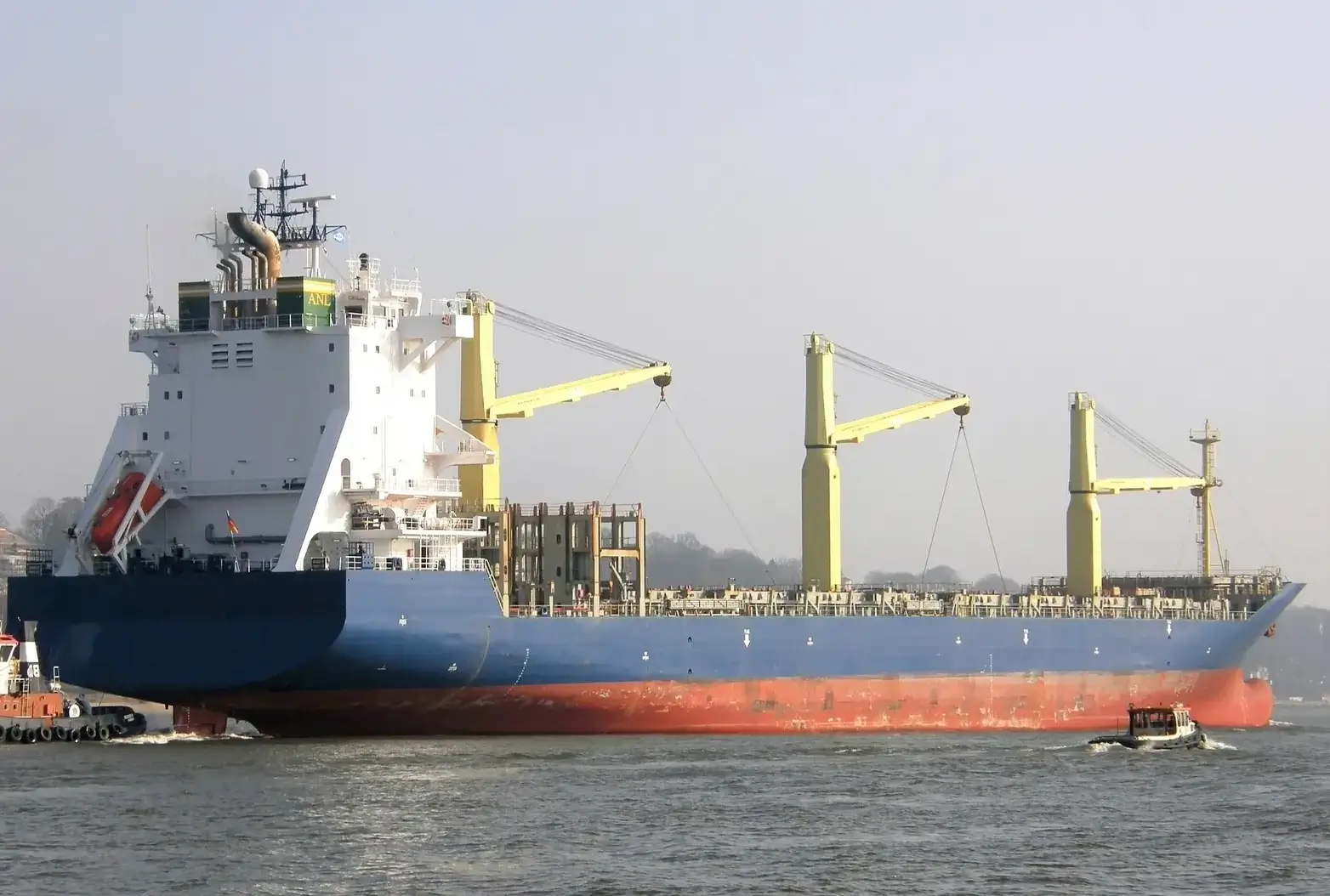
CoNTAINER +A2B LEADER+ (ex +ATLANTIC COMET+)
TYPE CONTAINER, SUBTYPE Container
DWT 5291 MTS ON 6.54M DRFT
BLT 3/1995 AT J.J. Sietas KG Schiffswerft GmbH & Co. - Hamburg,GERMANY
CLASS BV SS 5/31/2026 DD 5/30/2021
GRT 3999 NRT 2176
LOA/B/D 101.09/18.45/8.25 M
HOLDS 2, HATCHES 2
TEU: 508, Refr. Points: 50
M/E MWM TBD645L9,BHP 5200
SPEED 15 KNOTS ON 17.5 TS
GENERATORS: 2,1 (Shaft)
LDT: 2405 MT
Class BV
Next S.S./D.D.05/2026
The vessel trades in Sellers own liner service between Moerdijk (the Netherlands) and east coast United Kingdom. Moerdijk is about 45 minutes driving from Rotterdam, so the vessel would be best inspectable there
The vessel is charterfree deliverable mid-December 2025 onwards.
CoNTAINER LUCIE SCHULTE

CoNTAINER LUCIE SCHULTE

Location: Singapore

Size: 34396 DWT

Built Year: 2006

Price: $-

CoNTAINER +LUCIE SCHULTE+ (ex +MAERSK NORWICH+)
TYPE CONTAINER, SUBTYPE Container
DWT 34396 MTS ON 11.5M DRFT
BLT 8/2006 AT STX Shipbuilding Co Ltd - Changwon (Jinhae Shipyard),KOREA, SOUTH
CLASS KR SS 8/10/2026 DD 8/10/2026
GRT 26671 NRT 12679
LOA/B/D 210/30.17/16.7 M
HOLDS 0, HATCHES 0
GEARS: 4 X 45t CRANES
TEU: 2602, Refr. Points: 600
M/E MAN B&W 8S70MC-C,BHP 33827
SPEED 22.1 KNOTS ON 87 TS
GENERATORS: 4
LDT: 11642 MT

Class KR; Flag: Singapore
SS last/next: 08/2021 / 08/2026; DD last/next: 08/2024 / 08/2026
Vessel trade on TC to Maersk at a rate of USD 29,000 pd, however, general plan is to sell TC free Nov 2026, however, owners are open to consider a sale incl. TC attached.

Container Ship For Sale

Global trade relies on a fleet of roughly 6,500 to 6,700 active total container ships in the world as of early 2025. Together, they offer a staggering 31.4 million TEU of space—a figure that represents a doubling of capacity over the last two decades, reflecting the unrelenting growth of international supply chains.

Complete Guide to Buy a Container Ship

Your Premier Source for Quality Used Container ship for sale Worldwide

Welcome to Apsshipbrokers a comprehensive guide for purchasing used container ships. Whether you're an established Container operator expanding your fleet, a regional carrier seeking reliable container tonnage, or a charter operator entering the container market, we have a big selection of quality pre-owned container vessels ranging from 100 TEU feeder ships to 24,000 TEU mega-container carriers. Our inventory encompasses all major container ship categories, ages, and specifications to meet diverse route requirements and operational strategies across global container trades.

Understanding the Container Ship for sale Market

The used container ship market presents exceptional opportunities for buyers seeking good container vessels with documented operational histories at competitive valuations. Unlike new buildings requiring 24-36 months for delivery, used container ships offer immediate availability, enabling buyer to capture market opportunities, fulfill charter commitments, or launch new services without delay. Our portfolio includes container vessels from the world's premier shipyards in Japan, South Korea, China, and Europe, ensuring build quality, fuel efficiency, and strong residual values.

All Sizes of Container Ship for sale Available

Small Feeder Container Ships (100 - 500 TEU)

Serve short-sea routes, island connections, and river trades. Drafts of 4-6 meters and onboard cranes for cargo handling independence.

Feeder Container Ships (500 - 1,000 TEU)

Backbone of regional container distribution. Drafts 6-8 meters. Most are geared vessels with 2-4 cranes (40-45 ton capacity).

Small Feeder / Regional Container Ships (1,000 - 1,500 TEU)

Bridge feeder and regional mainline services. Geared and gear-less options available. Flexible for mixed port infrastructure.

Feedermax Container Ships (1,500 - 2,500 TEU)

Upper tier feeder tonnage. Drafts 9-11 meters. Serves intra-regional and regional mainline routes. Geared and non-geared vessels available.

Handy Container Ships (2,500 - 3,500 TEU)

Secondary mainline routes. Gear-less design optimized for fuel efficiency. Drafts 10-12 meters.

Sub-Panamax Container Ships (3,000 - 5,000 TEU)

Originally Panama Canal transit (pre-expansion). Beam ~32.2 meters. Serve regional mainlines and specialized services.

Panamax Container Ships (5,000 - 7,000 TEU)

Maximum size for original Panama Canal dimensions. Beam ~32.2 meters, drafts 12-13 meters. Serve trans-Pacific and cross-regional trades.

Post-Panamax Container Ships (7,000 - 10,000 TEU)

Too wide for original Panama Canal locks. Beams 40-45 meters. Major East-West routes before cascading to secondary trades.

New Panamax / Neo-Panamax Container Ships (10,000 - 14,500 TEU)

Designed for expanded Panama Canal locks. Beam ~49 meters, draft 15.2 meters. Serve trans-Pacific and North-South trades with fuel efficiency.

Ultra-Large Container Ships - ULCV (14,000 - 24,000+ TEU)

  • 14,000-16,000 TEU: Intermediate large ships, good port accessibility.
  • 18,000-20,000 TEU: Ultra-large vessels, specialized deep-water terminals required.
  • 21,000-24,000+ TEU: Mega-ships operating mainly Asia-Europe via Suez Canal. Require largest terminals and infrastructure.

Geared vs. Non-Geared Container Ships

Geared Container Vessels

  • Onboard cranes provide cargo handling independence.
  • Port Flexibility: Operate at terminals without shore cranes.
  • Charter Premium: 15-30% higher rates than gear-less vessels.
  • Typical Sizes: 100-3,000 TEU. Beyond 3,000 TEU, gearing becomes impractical.

Gear-Less Container Vessels

  • Eliminate onboard cranes for maximum capacity and fuel efficiency.
  • Require shore-based cranes.
  • Dominant for vessels above 3,000 TEU and mainline services.

Critical Factors When Buying Used Container Ships

Container ship Age and Vessel Condition

  • Modern (0-5 yrs): Premium price, superior fuel efficiency, minimal maintenance.
  • Mid-age (5-12 yrs): Good value, strong charter acceptance.
  • Older (12-18 yrs): Attractive pricing, requires technical assessment.

Special Survey and Drydocking Status (SS/DD)

Fresh-from-drydock vessels command 18-28% premium. Discounts apply for upcoming surveys:

  • Feeder vessels (500-1,500 TEU): $0.6-1.2M
  • Regional ships (1,500-3,000 TEU): $1-1.8M
  • Sub-Panamax (3,000-5,000 TEU): $1.5-2.5M
  • Panamax (5,000-7,000 TEU): $2-3M
  • Post-Panamax (7,000-10,000 TEU): $2.5-4M
  • New Panamax (10,000-14,000 TEU): $3.5-5.5M
  • ULCV (14,000+ TEU): $5-8M

Draft and Port Accessibility of the container ship

  • Shallow Draft (<8m): Feeder vessels, river ports.
  • Medium Draft (8-12m): Regional and Sub-Panamax vessels.
  • Standard Draft (12-14m): Panamax and Post-Panamax.
  • Deep Draft (14-16m): New Panamax and ULCV.

Shipyard Provenance and Build Quality

  • Japanese: Premium construction, long-term reliability (Imabari, Tsuneishi, JMU, Mitsubishi, Kawasaki).
  • Korean: Advanced designs, strong resale, high acceptance globally (Hyundai, Samsung, DSME, Samho).
  • Chinese: Varies by yard (CSSC, COSCO, Yangzijiang, Hudong-Zhonghua).
  • European: Specialized or smaller vessels (Meyer Werft, Fincantieri).

Speed and Fuel Consumption of the container ship

  • Design speed: 20-25 knots. Slow steaming (16-20 knots) improves fuel economy.
  • Feeder: 15-25 tons/day
  • Sub-Panamax: 40-60 tons/day
  • Panamax: 60-80 tons/day
  • Post-Panamax: 100-140 tons/day
  • New Panamax: 140-180 tons/day
  • ULCV: 200-280 tons/day

Reefer Capacity and Cargo Flexibility

  • High Reefer: 20-30% of slots
  • Standard Reefer: 10-15%
  • Low Reefer: <10%

IMO Compliance and Environmental Regulations

  • BWTS: Mandatory ballast water treatment systems.
  • EEDI/EEXI: Energy efficiency compliance.
  • IMO 2020: Low-sulfur fuel or scrubbers.
  • CII ratings: Efficiency grades A-E.
  • Upcoming GHG regulations.

Pricing Dynamics in the Used container ship for sale Market

  • Small Feeders (300-700 TEU): $2-5M
  • Feeders (700-1,500 TEU): $4-10M
  • Feedermax (1,500-2,500 TEU): $8-16M
  • Handy (2,500-3,500 TEU): $12-20M
  • Sub-Panamax (4,000-5,000 TEU): $15-28M
  • Panamax (5,000-7,000 TEU): $18-35M
  • Post-Panamax (8,000-10,000 TEU): $25-45M
  • New Panamax (10,000-13,000 TEU): $40-70M
  • ULCV (14,000-20,000 TEU): $60-120M

Q&A — CONTAINER SHIP FOR SALE

VESSEL PARTICULARS

Q: What types of container ships are typically available for sale?

Container ships are categorized by size: Small Feeder (under 1,000 TEU), Feeder (1,000–3,000 TEU), Sub-Panamax (3,000–5,000 TEU), Panamax (5,000–8,000 TEU), Post-Panamax (8,000–14,000 TEU), and Ultra Large Container Vessels or ULCV (14,000 TEU and above). Each category suits different trade routes and port infrastructure.

Q: What is TEU and why does it matter?

TEU stands for Twenty-foot Equivalent Unit — the standard measure of container ship capacity. One TEU equals one standard 20-foot container. It is the primary metric buyers use to assess a vessel's earning potential and suitability for a specific trade.

Q: What is the typical age range of container ships available in the secondhand market?

Most secondhand container ships on the market range from 5 to 25 years old. Vessels under 10 years command premium prices but offer longer trading life. Ships above 20 years are typically priced for scrapping or limited trade routes, and buyers should carefully evaluate remaining class life and upcoming survey costs.

Q: What flag states are most common for container ships for sale?

The most common open registry flag states are Panama, Marshall Islands, Liberia, Bahamas, and Hong Kong. Flag choice affects crewing regulations, port state control risk, and financing options. Some buyers re-flag upon purchase to suit their operational preferences.

TECHNICAL CONDITION

Q: What class society should I look for when buying a container ship?

The most recognized class societies are Lloyd's Register (LR), Bureau Veritas (BV), DNV, American Bureau of Shipping (ABS), and ClassNK. A vessel in class with one of these societies gives buyers confidence in structural and mechanical standards. Always confirm the vessel is in class with no outstanding conditions or recommendations before proceeding.

Q: What surveys should I be aware of before purchasing?

The key surveys are the Annual Survey, Intermediate Survey (2.5 years), and Special Survey (every 5 years), which includes dry-docking. A vessel that has recently completed a Special Survey is highly attractive as it minimizes near-term capex for the buyer. Always confirm survey due dates before signing.

Q: What is an underwater inspection and is it necessary before purchase?

An underwater inspection by a diver or ROV is strongly recommended prior to purchase. It assesses the condition of the hull, propeller, rudder, sea chests, and sacrificial anodes. Any damage or fouling found can be used as a basis for price renegotiation and helps the buyer avoid post-delivery surprises.

Q: What should I check regarding the main engine?

Buyers should review the main engine make and model, running hours since last overhaul, condition of cylinder liners and pistons, turbocharger condition, and fuel injection system. Slow-speed two-stroke diesels such as MAN B&W and Wärtsilä are the most common and have strong global service networks. Request the engine logbook and maintenance records as part of due diligence.

Q: What is a hatch cover test and why is it important?

A hatch cover ultrasonic test or chalk test checks the watertight integrity of cargo hold covers. Leaking hatch covers are a common defect and can lead to cargo damage claims. This test is essential before purchasing and any defects found should be remedied by the seller or reflected in the price.

COMMERCIAL & TRADING

Q: Can a container ship be purchased with an existing charter attached?

Yes. Many secondhand sales include an ongoing time charter (TC). Buying with a charter provides immediate cash flow but the buyer inherits the charter rate, which may be below current market. Buying free of charter gives operational flexibility but means the vessel must be employed from day one. Both scenarios have pros and cons depending on the buyer's strategy.

Q: What trading routes are container ships typically deployed on?

Container ships trade on deep-sea mainline routes (Asia–Europe, Transpacific), regional feeder routes (Intra-Asia, Mediterranean, Caribbean), and niche trades (West Africa, Pacific Islands, South America). Vessel size, draft, and crane configuration largely determine which routes are commercially viable.

Q: What is the importance of reefer capacity on a container ship?

Reefer (refrigerated) plugs allow the ship to carry temperature-controlled cargo such as fresh produce, pharmaceuticals, and frozen goods. Vessels with higher reefer plug counts command premium freight rates and attract more cargo options. Reefer capacity is a key revenue differentiator, especially on short-sea and emerging market routes.

Q: Does a geared vessel have an advantage over a gearless vessel?

Yes, in certain markets. Geared vessels (those with their own cranes) can operate in ports without shore-based cargo handling equipment, opening up more trading options. Gearless vessels are typically deployed on established mainline routes with fully equipped terminals. For feeder trades in developing regions, cranes are a significant commercial advantage.

LEGAL & DOCUMENTATION

Q: What documents should a buyer request during due diligence?

A buyer should request the following: Certificate of Registry, Class certificates and survey status, Safety Management Certificate (SMC) and Document of Compliance (DOC), Tonnage Certificate, Load Line Certificate, MARPOL certificates (IOPP, Air Pollution), Ballast Water Management Certificate, Continuous Synopsis Record (CSR), Logbooks (deck, engine, oil record), PSC inspection history, and full maintenance and repair records.

Q: What is the standard sale contract used for ship sales?

The most widely used contract is the Norwegian Saleform (NSF 2012), recognized internationally by shipbrokers and maritime lawyers. It governs the terms of inspection, deposit, delivery, and disputes. Some transactions use the BIMCO Shipsale form. Always have a qualified maritime lawyer review the MOA before signing.

Q: What is the typical deposit structure in a ship sale?

Upon signing the Memorandum of Agreement (MOA), the buyer typically pays a deposit of 10% of the agreed purchase price into a mutually agreed escrow account. The remaining 90% is paid on delivery of the vessel. If the seller fails to deliver, the deposit is returned with interest. If the buyer defaults, the seller is generally entitled to retain the deposit.

Q: What is the role of a shipbroker in a container ship sale?

A shipbroker acts as an intermediary between buyer and seller, facilitating negotiations, preparing documentation, coordinating inspections, and ensuring the transaction proceeds smoothly. Brokers typically earn a commission of 1% of the sale price per side (buyer's broker and seller's broker). Using an experienced, reputable broker reduces transaction risk significantly.

FINANCIAL & VALUATION

Q: How is a container ship valued?

Secondhand container ship values are driven by age, size (TEU), condition, class survey status, current freight market conditions, fuel efficiency, and whether the vessel has charter employment. Valuation is typically obtained from independent shipbrokers or appraisers such as VesselsValue, Clarksons, or Baltic Exchange assessments.

Q: What are the main ongoing costs after purchasing a container ship?

Key operating expenses (OPEX) include crew wages and manning costs, maintenance and repairs, lubricating oils, insurance (P&I and H&M), management fees, port and canal dues, and dry-docking reserves. Voyage costs such as bunkers and port charges are usually borne by the charterer on a time charter. Typical OPEX for a feeder container ship ranges from USD 3,500 to USD 6,500 per day depending on size and flag.

Q: What is the scrap value of a container ship and when is it relevant?

Scrap value is calculated based on the vessel's lightweight tonnage (LWT) multiplied by the current steel scrap price per ton at the chosen demolition market (Bangladesh, India, Pakistan, Turkey). For older vessels, scrap value sets the price floor. If the secondhand market value approaches scrap value, it signals the vessel is near the end of its commercial life.

Q: Is ship finance readily available for container vessel purchases?

Yes. Several banks and financial institutions specialize in ship finance, including DNB, DVB, ABN AMRO, Hamburg Commercial Bank, and various Asian leasing houses. Loan-to-value (LTV) ratios typically range from 55% to 70% depending on vessel age and charter backing. A strong charter from a creditworthy counterpart significantly improves financing terms.

DELIVERY & POST-SALE

Q: What happens at the point of delivery?

On delivery, the buyer and seller sign a Protocol of Delivery and Acceptance. The buyer pays the balance of the purchase price, and title transfers to the new owner. Bunkers and lubes on board are measured and paid separately. The vessel's certificates and documents are handed over, and the new owner takes operational control.

Q: Can I inspect the vessel before committing to purchase?

Yes. Physical inspection is standard practice and strongly advised. Buyers or their appointed surveyors board the vessel to inspect the hull, cargo holds, machinery spaces, bridge, and accommodation. Inspection is typically arranged at a convenient port of call and does not obligate the buyer to proceed. Results of the inspection can influence price negotiations.

Q: What is a pre-purchase survey and who carries it out?

A pre-purchase survey is conducted by an independent marine surveyor appointed by the buyer. The surveyor assesses the vessel's overall condition, checks class records, reviews machinery logs, and produces a detailed condition report. This report is a critical tool for the buyer's decision-making and any post-inspection price adjustment discussions.

why buy a Container Ship from APSShipBrokers

We maintain the industry's most comprehensive database of used container ships, continuously updated. Our brokers provide technical assessments, inspections, negotiations, and guidance through documentation and delivery. Whether acquiring a single feeder vessel or a diversified fleet, our global network ensures access to the best opportunities.

Ready to explore our current container ship for sale inventory? Contact our specialized container brokers today for personalized guidance and exclusive listings tailored to your operational requirements and investment objectives.

container ship for sale tanker ship for sale cargo ship for sale