☰
Location: -
Size: 3956DWT
Built Year: 2007
Price: $-
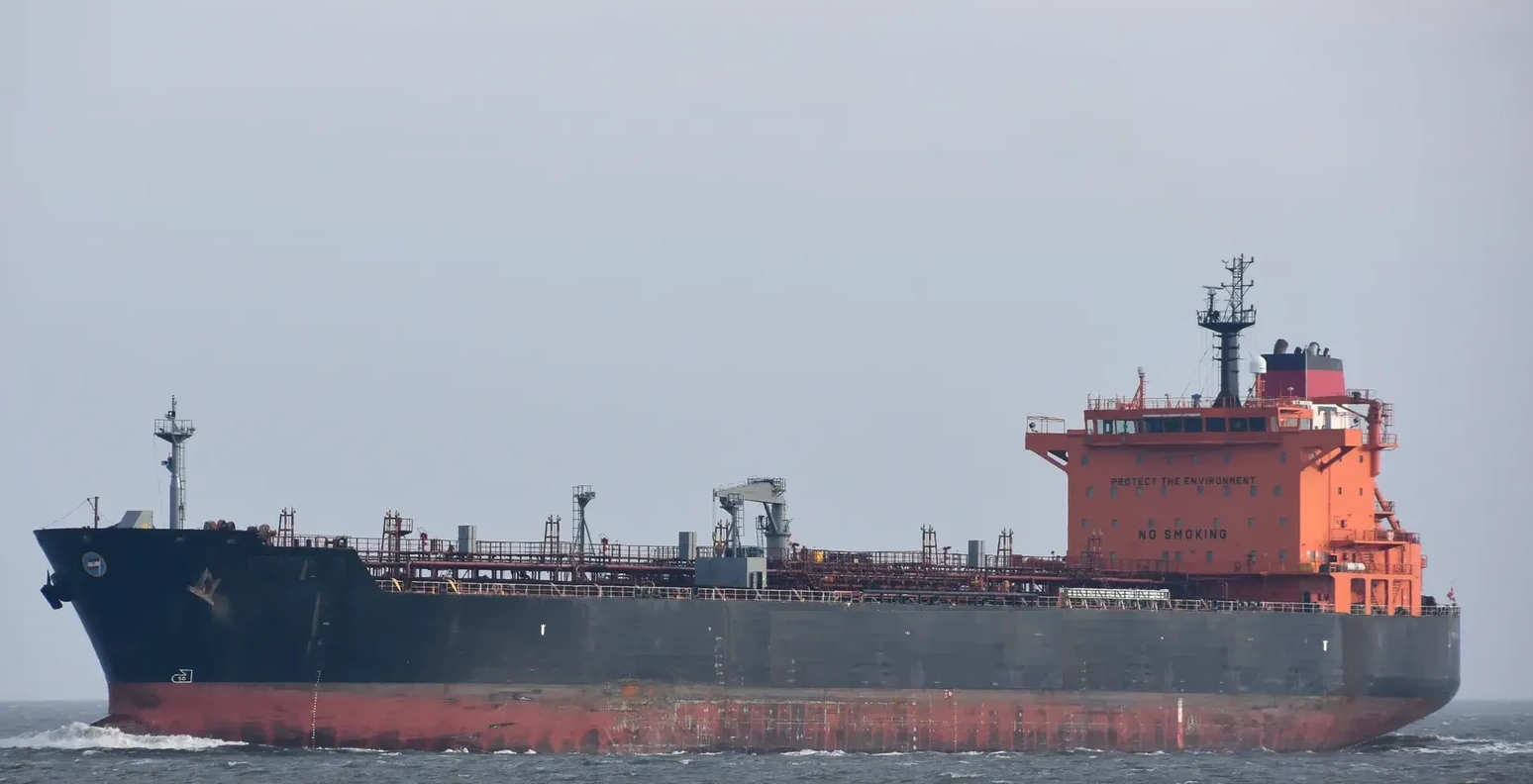
Location: Cont-Med region
Size: 46922DWT
Built Year: 2006
Price: $-
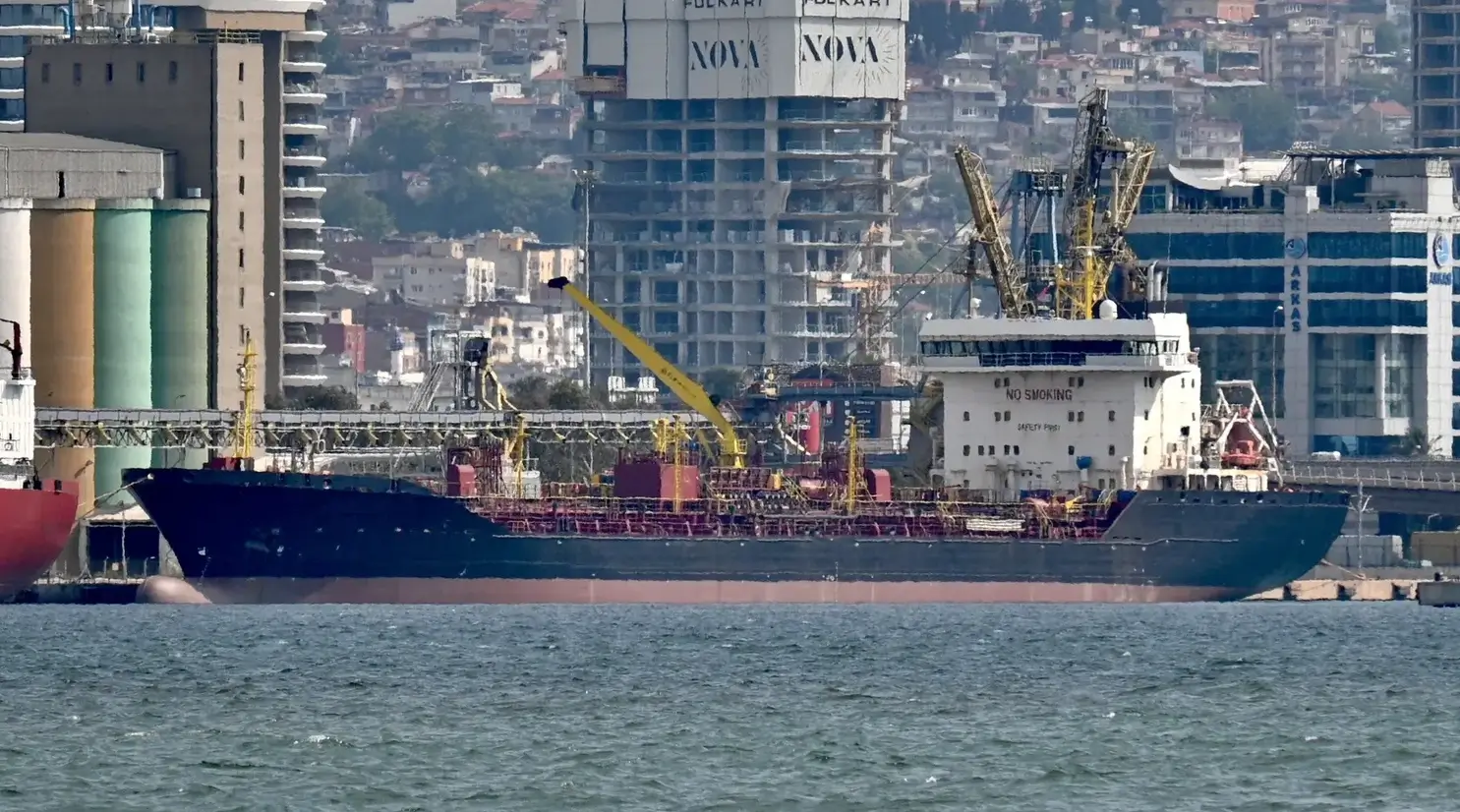
Location: CPP
Size: 20610DWT
Built Year: 2008
Price: $-
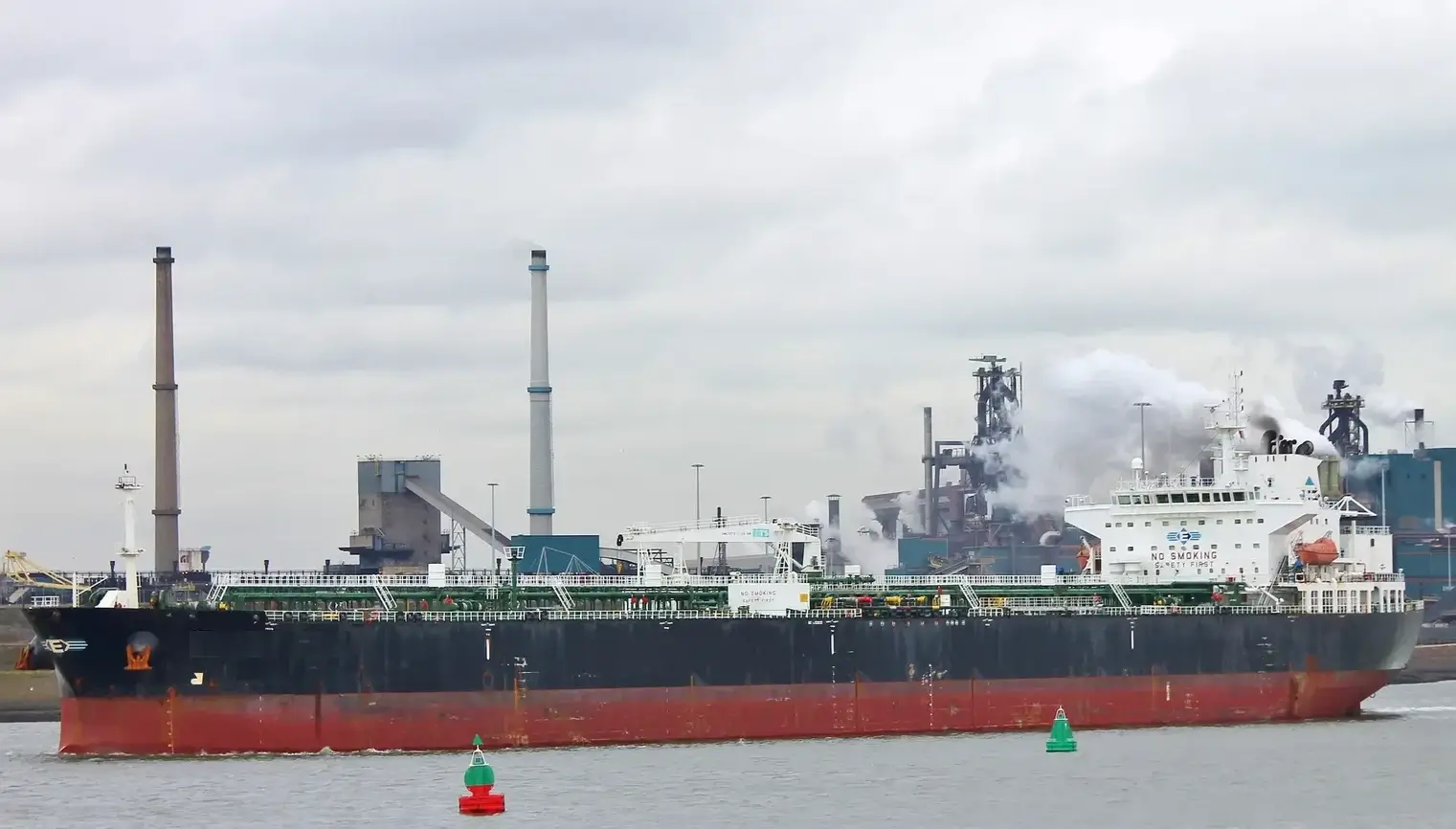
Location: CPP
Size: 73897DWT
Built Year: 2005
Price: $-
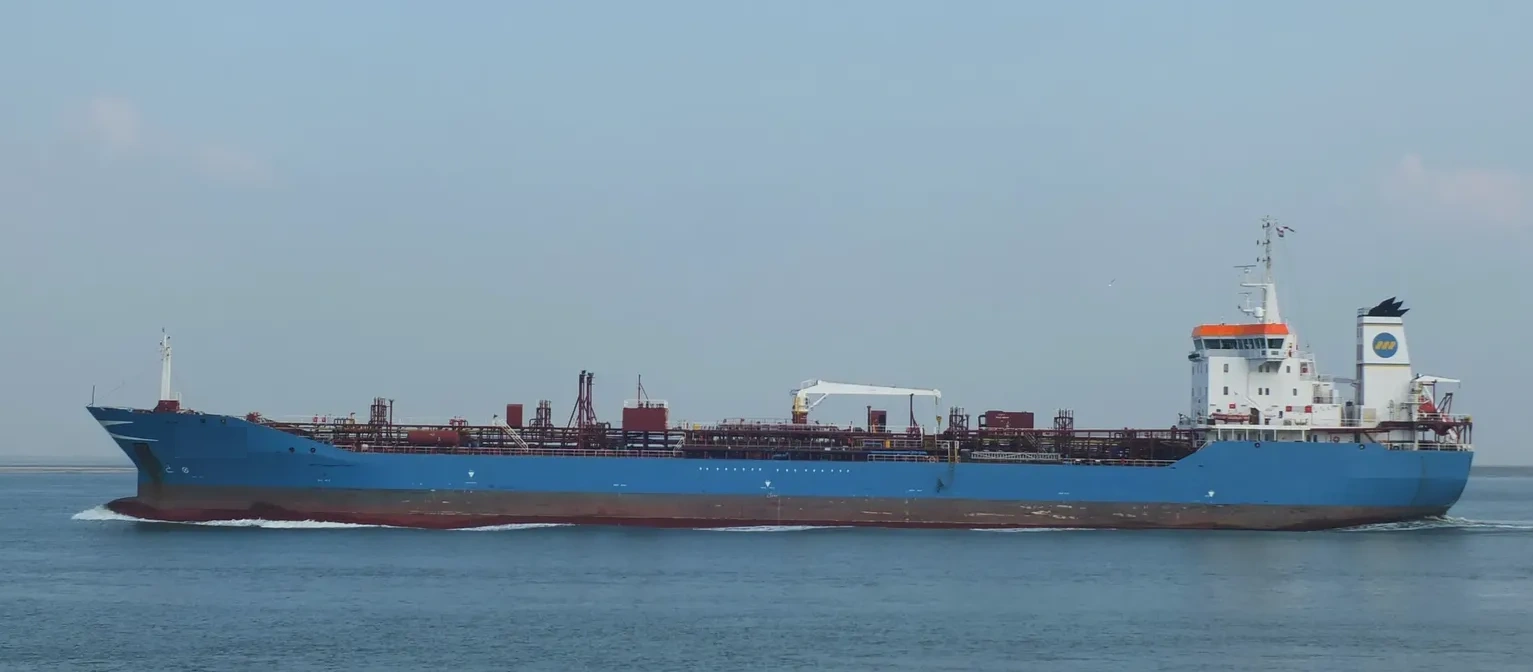
Location: ANTWERP, BELGIUM
Size: 21600DWT
Built Year: 2006
Price: $-
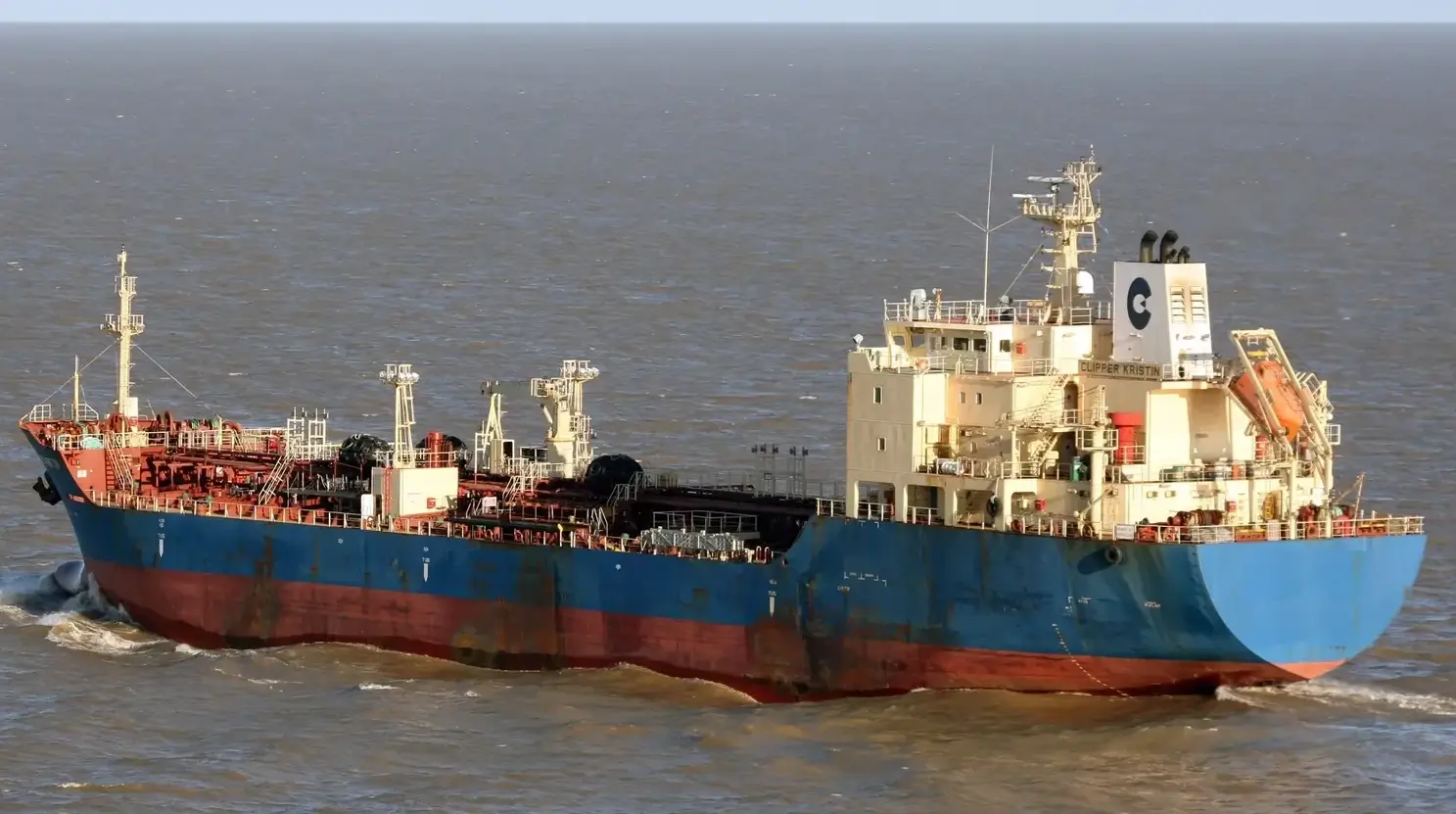
Location: AG-SINGAPORE
Size: 11,316DWT
Built Year: 2006
Price: $-
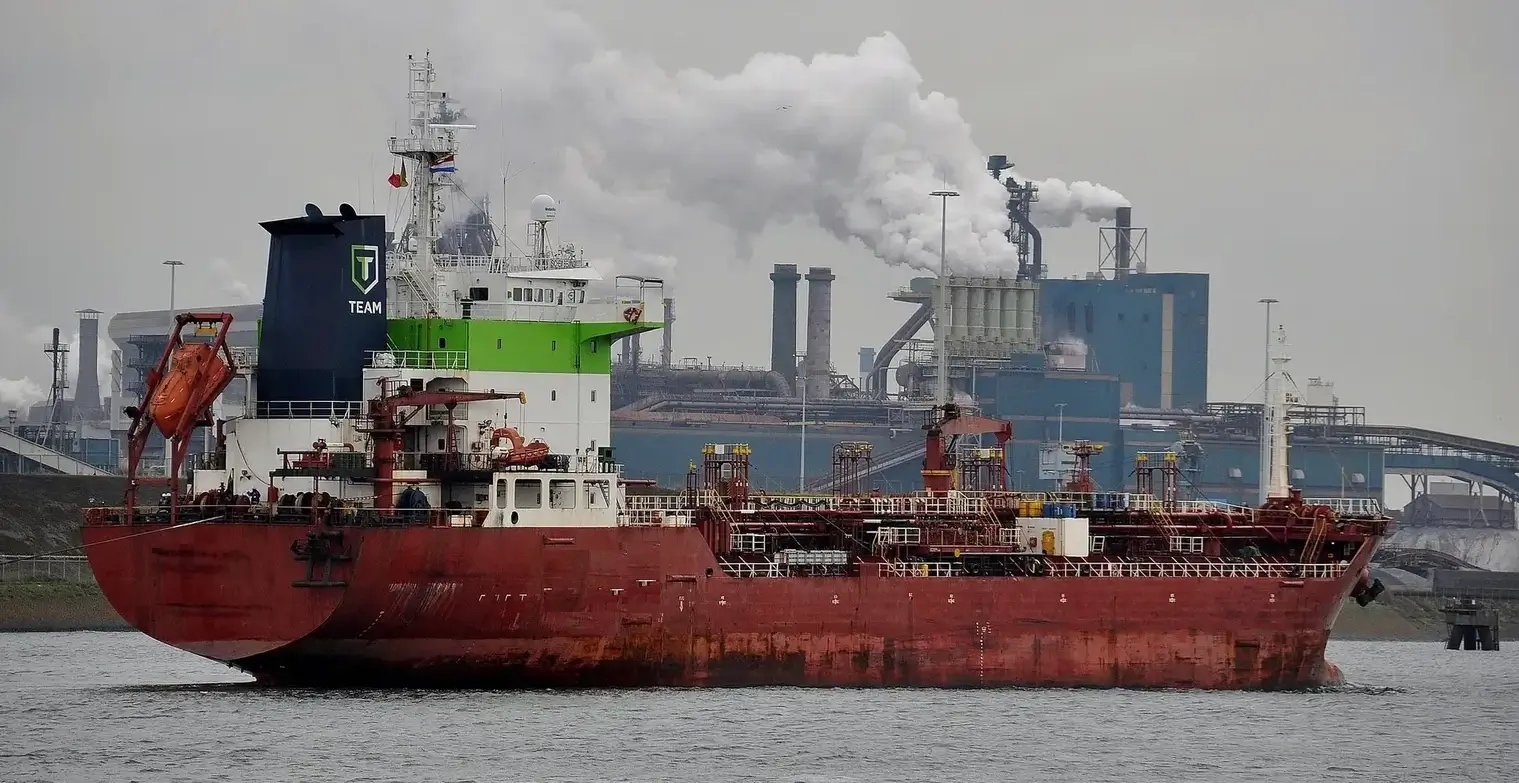
Location: -
Size: 13069DWT
Built Year: 2007
Price: $-
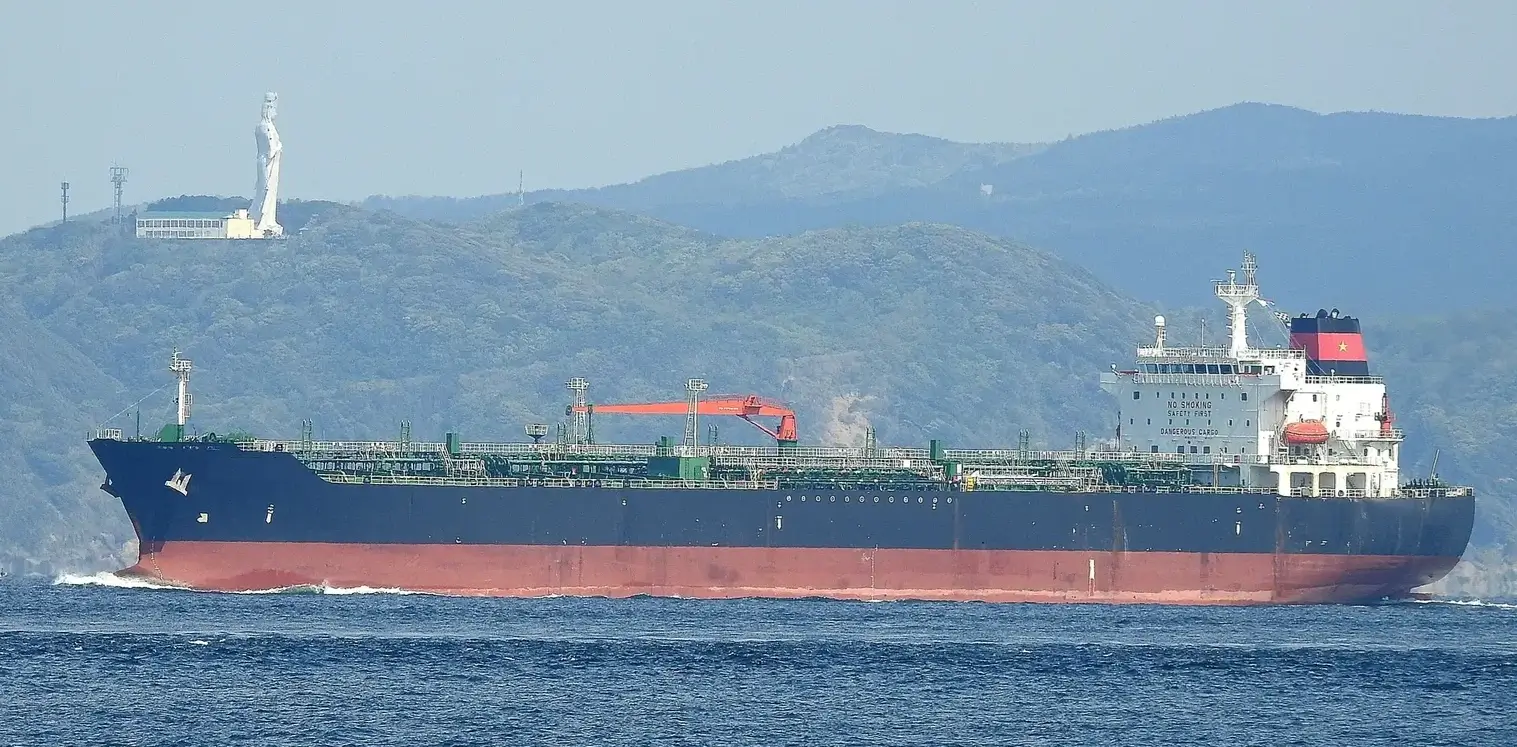
Location: Singapore
Size: 50530DWT
Built Year: 2006
Price: $-
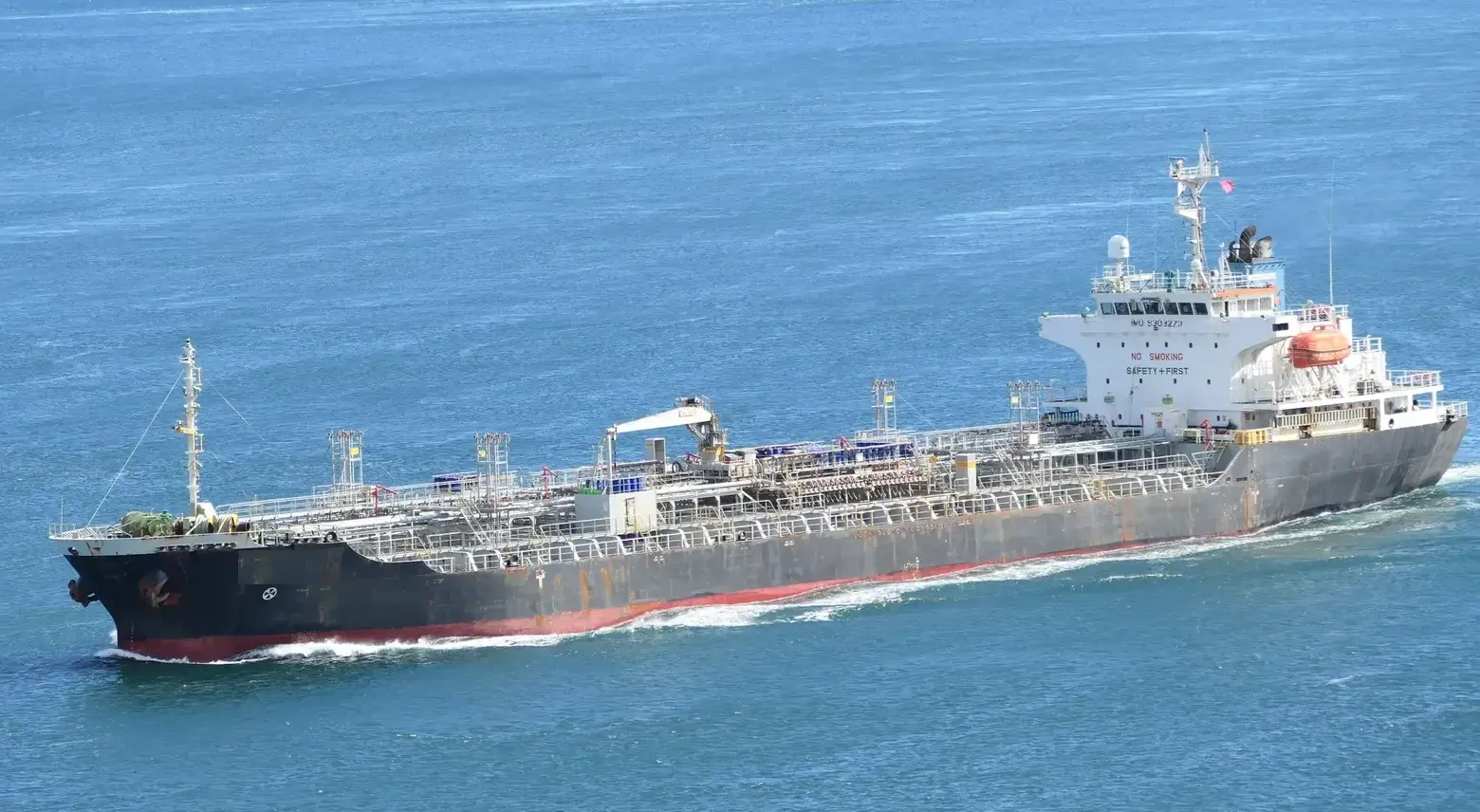
Location: Korea
Size: 12705DWT
Built Year: 2004
Price: $-
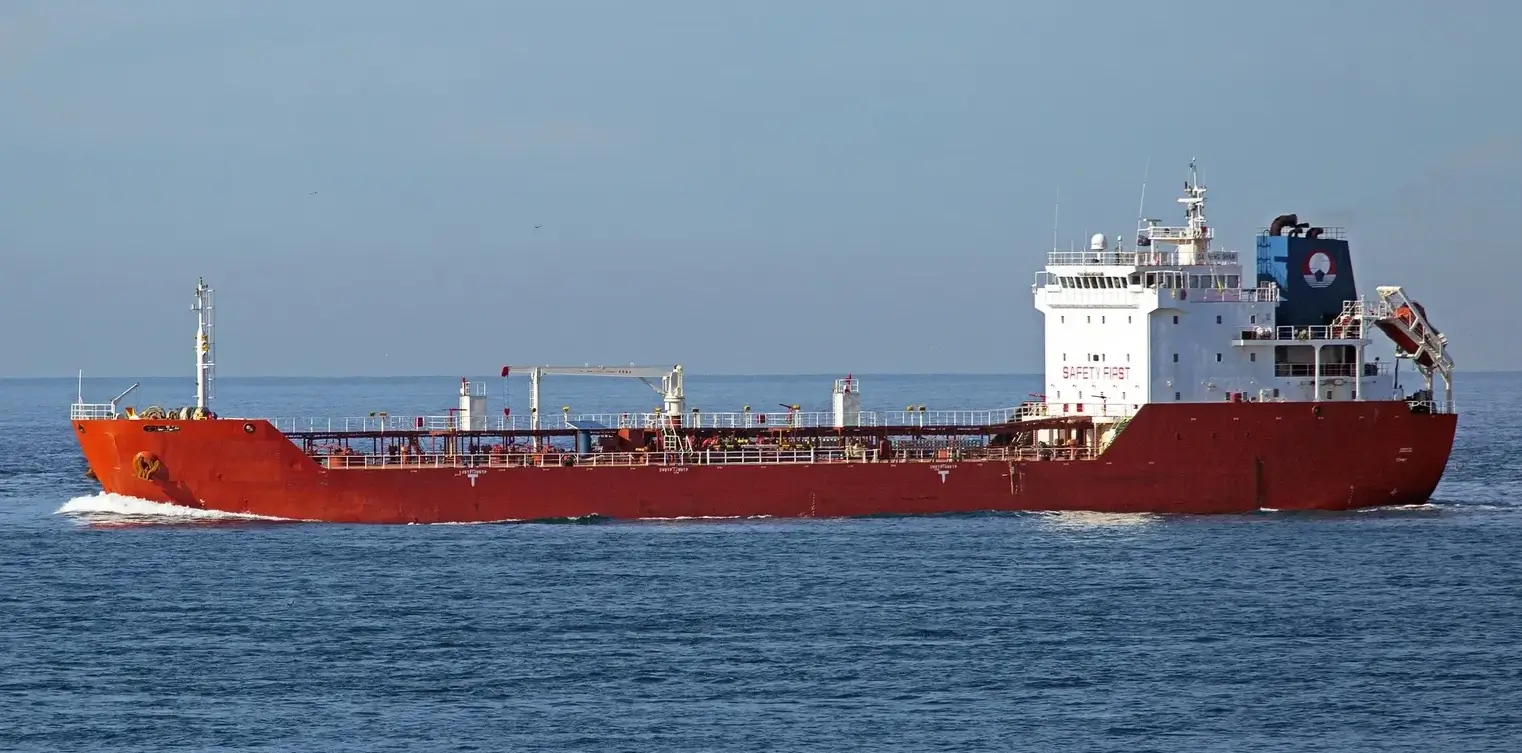
Location: -
Size: 6192DWT
Built Year: 2009
Price: $-
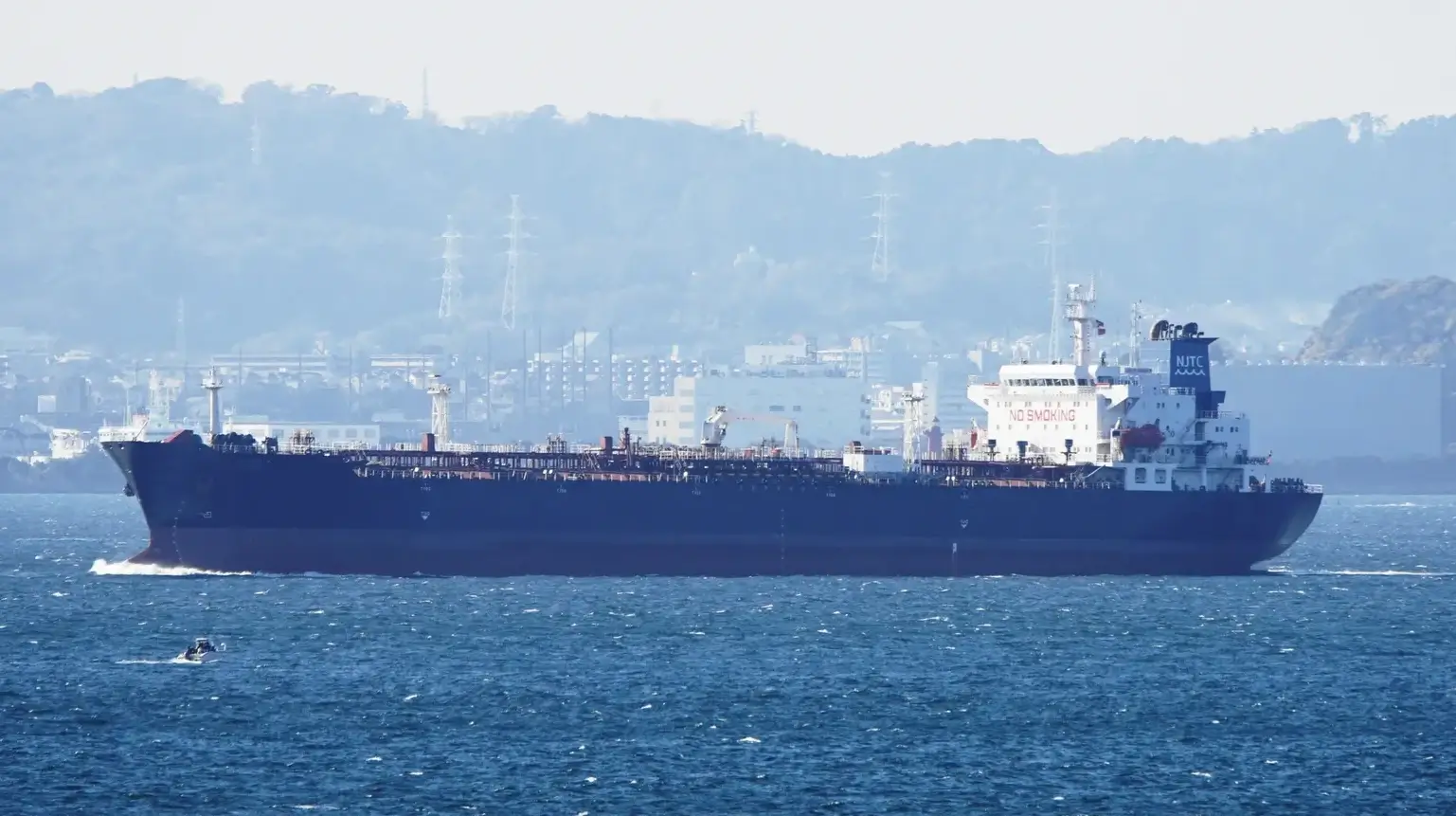
Location: -
Size: 45800DWT
Built Year: 2008
Price: $-
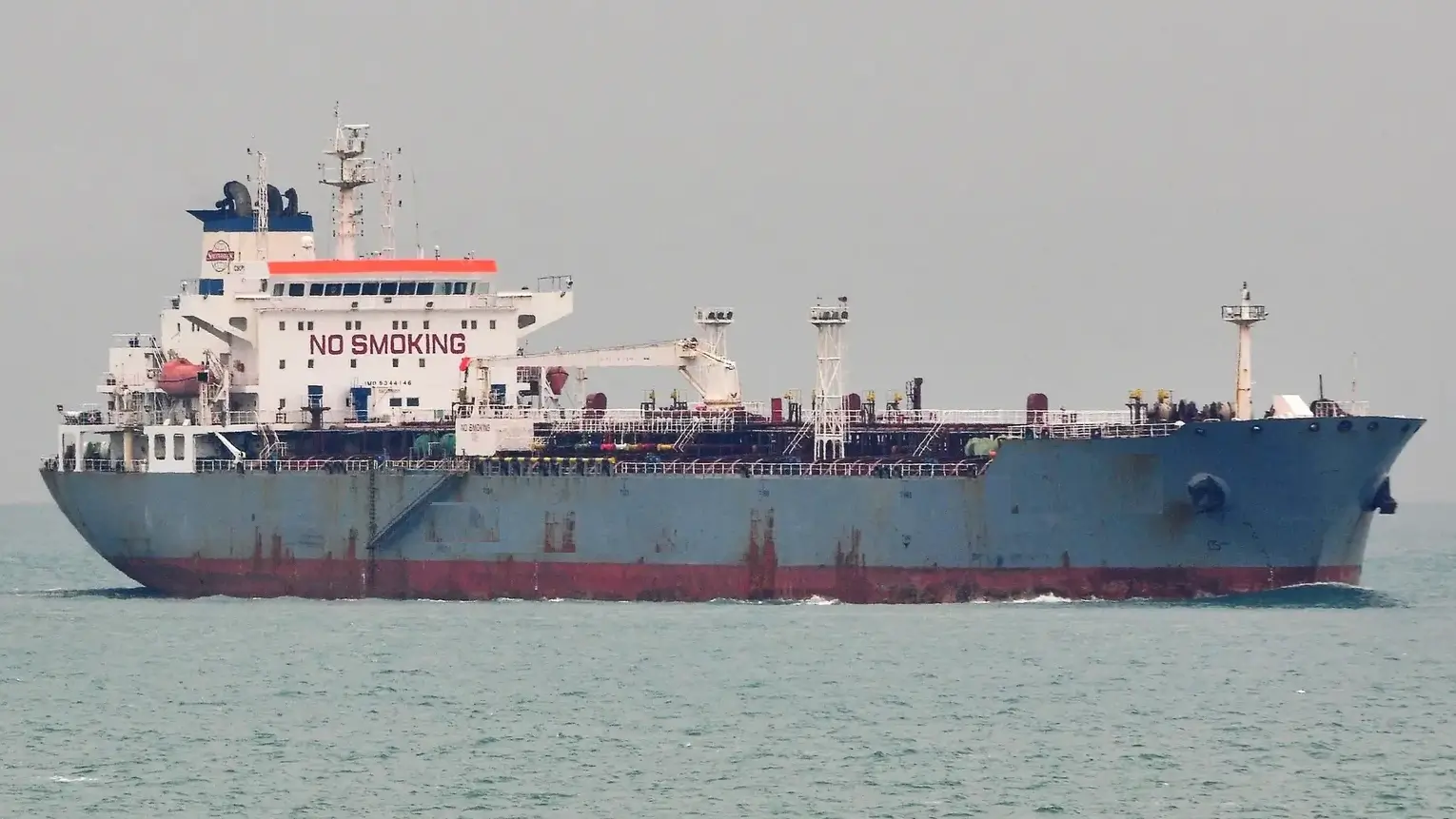
Location: -
Size: 45886DWT
Built Year: 2007
Price: $-
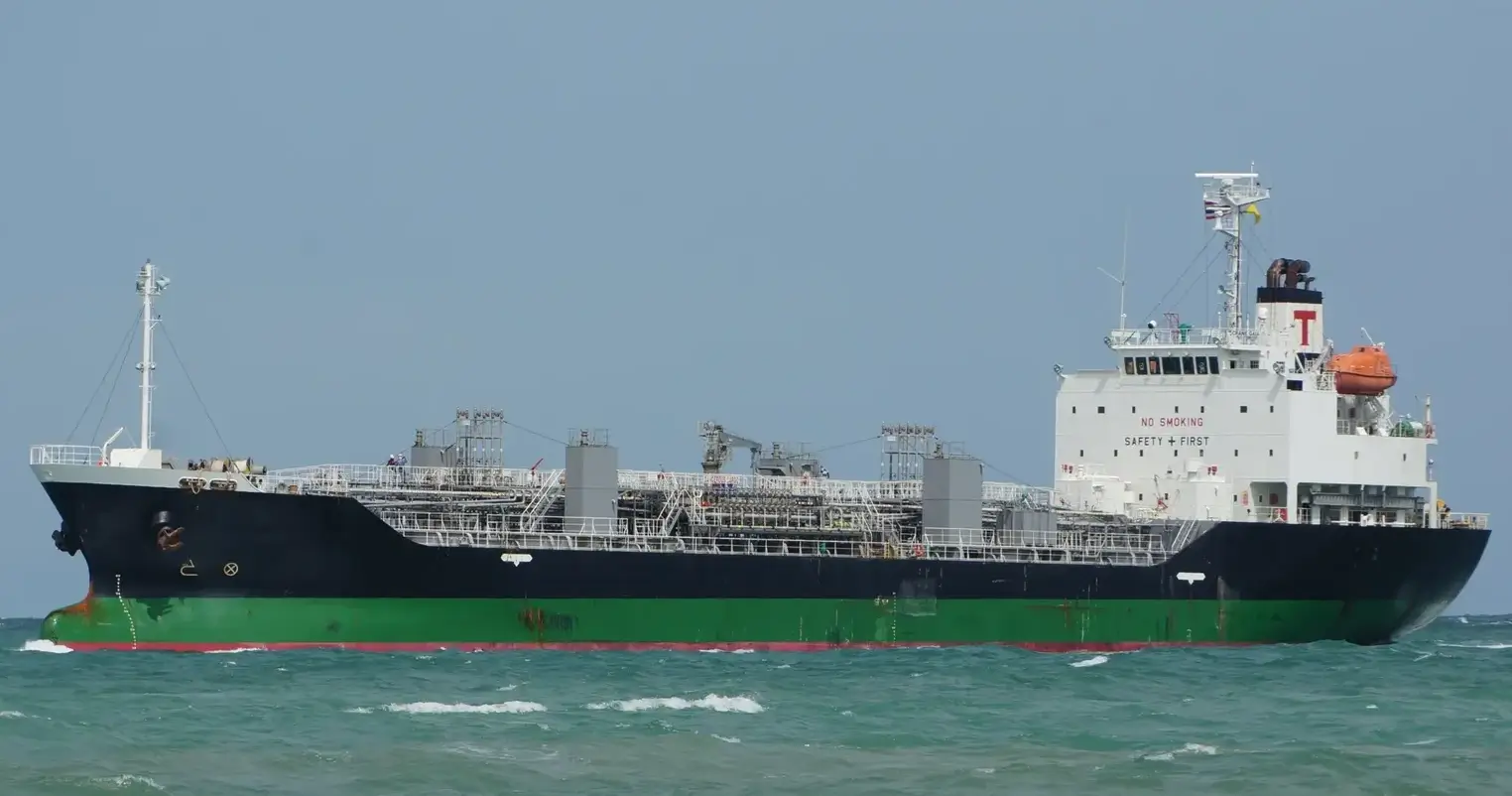
Location: -
Size: 8838DWT
Built Year: 2011
Price: $-
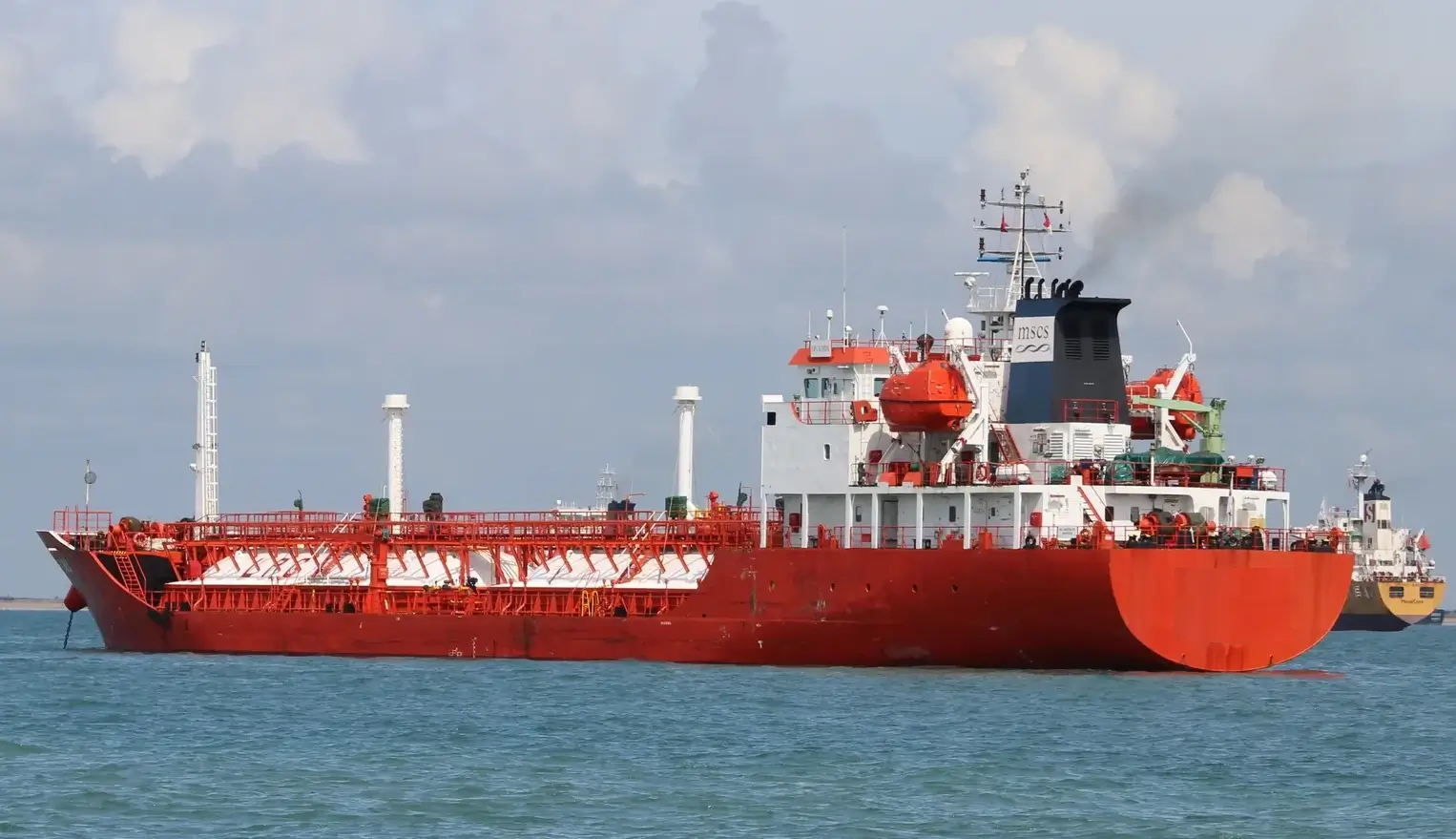
Location: China
Size: 2654DWT
Built Year: 2007
Price: $-
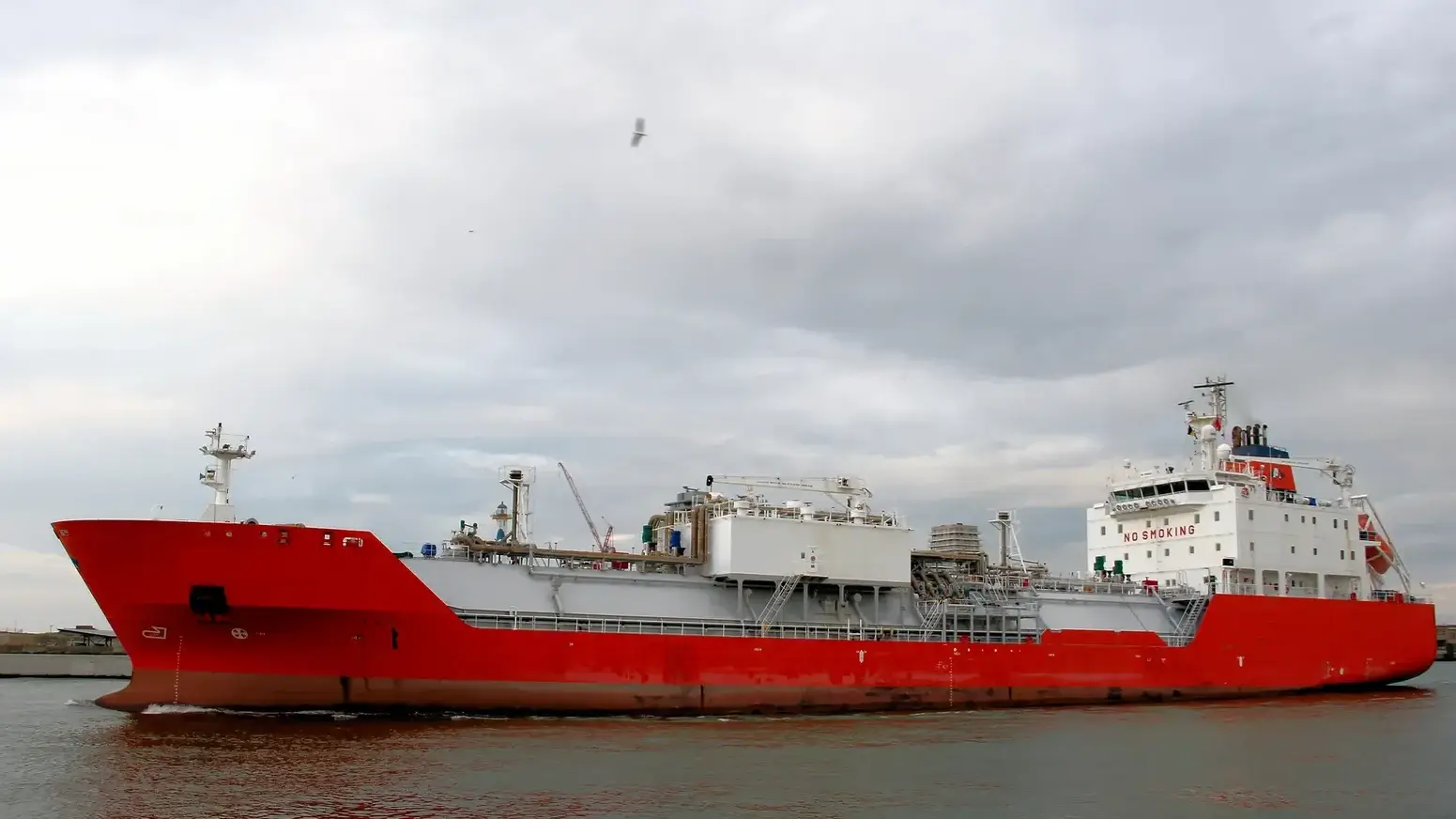
Location: PG Sharjah
Size: 8669DWT
Built Year: 2000
Price: $-
APS Shipbrokers offers one of the world's most comprehensive selections of used tanker ships for sale — from 1,000 DWT coastal tankers to 400,000 DWT ultra-large crude carriers (ULCC). Whether you are an experienced shipowner expanding your fleet or a first-time buyer entering the tanker market, our global network connects you with the right vessel at the right price, backed by full brokerage, inspection, and ship finance support.
The tanker sector is the second-largest segment of the global fleet by number of large vessels, comprising approximately 16,000 vessels — including 8,445 crude oil tankers, 6,259 chemical tankers, and 2,258 LNG carriers — representing over 444 million DWT of total capacity. This is a deep, liquid market with strong opportunities for buyers at every level.
Our tanker inventory spans every major vessel category, continuously updated from owners and shipyards worldwide. We source vessels built in Japan, South Korea, China, and Europe to match your trade route, port requirements, and investment objectives.
Our chemical tanker inventory includes coated vessels with sophisticated cargo handling systems, ranging from small parcel tankers of 3,000 DWT to large chemical carriers exceeding 40,000 DWT. Features include multiple segregated cargo tanks, advanced heating and cooling systems, and tank materials (epoxy, zinc, stainless steel) suitable for carrying acids, vegetable oils, industrial chemicals, and other sensitive liquid cargoes.
Used tanker prices vary by vessel age, size, shipyard, survey status, and prevailing market conditions. The table below reflects current indicative secondhand values.
| Vessel Type | Size (DWT) | Indicative Price Range | Key Trading Areas |
|---|---|---|---|
| Handysize Product Tanker | 10,000 – 25,000 | USD 5 – 12 million | Coastal, regional, short-sea |
| MR1 / MR2 Product Tanker | 25,000 – 55,000 | USD 15 – 50 million | International clean product trades |
| Aframax Tanker | 80,000 – 120,000 | USD 25 – 55 million | North Sea, Mediterranean, Caribbean |
| Suezmax Tanker | 120,000 – 200,000 | USD 35 – 75 million | Middle East, West Africa, Europe |
| VLCC | 200,000 – 320,000 | USD 70 – 130 million | Long-haul crude, Middle East–Asia |
| Chemical Tanker | 3,000 – 40,000 | USD 4 – 40 million | Global chemical and product trades |
Prices are indicative only. Final valuation depends on vessel age, condition, class survey status, flag state, and current freight market conditions. Contact our brokers for a current market assessment.
The global tanker shipping market continues to experience strong demand driven by energy trade flows, fleet renewal programmes, environmental regulations, and changing geopolitical trading patterns. Demand for tanker ships for sale remains particularly active across product tankers, crude oil tankers, chemical tankers, and eco-design tanker vessels. Many shipowners continue to favour a used tanker ship for sale due to faster delivery timelines compared with newbuilding orders, allowing immediate entry into the charter market and quicker return on investment.
Newbuilding orders typically carry a 24–36 month construction timeline. Pre-owned tankers can be acquired and deployed within weeks, giving buyers a decisive commercial advantage:
Tanker age directly affects purchase price, operating costs, charter employment options, and remaining economic life:
A vessel that has recently completed its Special Survey and drydocking commands a valuation premium, as the buyer avoids near-term capital expenditure on surveys and repairs. Vessels approaching their next SS/DD are typically discounted to reflect upcoming costs and off-hire time.
Always verify full compliance before committing to any tanker purchase:
Tank design determines which cargoes a vessel can carry and which trades it can access:
A thorough pre-purchase inspection protects your investment and reduces post-delivery risk. APS Shipbrokers coordinates all inspection steps on your behalf:
Before signing any Memorandum of Agreement (MOA), request the following from the seller:
Post-acquisition operating expenses vary by vessel size, flag state, and management structure. Below are indicative daily OPEX ranges:
| Vessel Type | Indicative Daily OPEX | Main Cost Drivers |
|---|---|---|
| Handysize Product Tanker | USD 6,000 – 8,000 / day | Crew, insurance, maintenance |
| MR Tanker (MR1 / MR2) | USD 7,000 – 9,500 / day | Crew, P&I, dry-dock reserves |
| Aframax Tanker | USD 9,000 – 12,000 / day | Crew, maintenance, management |
| Suezmax Tanker | USD 10,000 – 14,000 / day | Crew, H&M insurance, repairs |
| VLCC | USD 12,000 – 18,000 / day | Large crew, high insurance, OPEX scale |
On a time charter, voyage costs including bunkers and port dues are borne by the charterer. OPEX above covers owner-side running costs only.
Financing is readily available for qualified buyers through specialist maritime lenders including DNB, DVB, ABN AMRO, Hamburg Commercial Bank, and Asian leasing houses. Loan-to-value (LTV) ratios typically range from 50% to 70%, with more favourable terms available when a creditworthy time charter is attached to the vessel. Sale and leaseback structures are also available for buyers seeking off-balance-sheet financing.
APS Shipbrokers provides ship finance advisory services to help identify the most appropriate financing structure for your tanker acquisition.
When purchasing a used tanker, buyers require: Memorandum of Agreement (MOA), class certificates (ABS, DNV, LR, BV, NK), P&I insurance records, trading certificates, IOPP and MARPOL certificates, BWTS certification, drydock and special survey records, cargo tank coating history, and the last 5 years of operational and PSC inspection records. APS Shipbrokers guides buyers through complete documentation review before contract signing.
The timeline typically ranges from 2–4 weeks for negotiation to MOA signing, and 30–60 days from inspection to delivery. Used tanker purchases are significantly faster than newbuilding orders, which carry a 24–36 month construction timeline.
Daily OPEX varies by vessel size: Handysize Product Tanker USD 6,000–8,000/day, MR Tanker USD 7,000–9,500/day, Aframax USD 9,000–12,000/day, and VLCC USD 12,000–18,000/day. Costs include crew wages, insurance, maintenance, lubricants, and management fees.
Yes. Tanker vessels can be financed through marine banks, private ship finance companies, leasing companies, Asian leasing houses, and sale and leaseback arrangements. Financing typically covers 50–70% of vessel value depending on vessel age and buyer profile. APS Shipbrokers can connect buyers with reputable marine finance providers.
Recommended inspections include a physical survey by an independent marine surveyor, cargo tank condition assessment, steel thickness measurements, machinery performance review, class records review, vetting history (SIRE inspections for oil major employment), and an underwater hull inspection by diver or ROV. This process significantly reduces post-delivery technical risk.
MR1 tankers (25,000–45,000 DWT) are smaller and more port-flexible. MR2 tankers (45,000–55,000 DWT) are the global standard for international clean petroleum product trading and carry stronger resale demand worldwide. MR2s are typically considered the more liquid investment of the two.
Older tanker ships (15+ years) offer lower purchase prices and faster payback in strong freight markets, but they come with higher maintenance costs and limited employment opportunities with oil majors who require SIRE-vetted, younger tonnage. A thorough technical evaluation and survey cost assessment is essential before committing to older vessels.
Resale value is driven by vessel age, shipyard reputation (Japanese and Korean-built vessels consistently command a premium), special survey status, freight market cycle, environmental compliance, engine type, and fuel efficiency. Scrubber-fitted and dual-fuel vessels are increasingly attracting valuation premiums in the current market.
Crude tankers carry unrefined oil in large, undivided cargo tanks and are typically larger vessels — Aframax, Suezmax, and VLCC. Product tankers carry refined petroleum products and feature multiple segregated cargo tanks with coated interiors, giving them greater trading flexibility across different product types.
Chemical tankers require IMO Type II or Type III classification, specialised coated or stainless steel cargo tanks, advanced cargo heating systems, and strict safety compliance. They require more sophisticated technical and commercial management than crude or product tankers, but command premium freight rates for specialised liquid cargoes.
Tanker asset prices fluctuate based on global oil demand, freight rate earnings, geopolitical factors such as sanctions and route disruptions, and vessel supply levels. Buying during periods of weak freight rates typically results in lower acquisition prices and stronger long-term returns when the market cycle recovers.
The optimal size depends on your trading strategy, risk appetite, available port infrastructure, and capital availability. MR2 and Aframax vessels are widely considered the most balanced investment choices due to their market liquidity, broad charter demand, and accessible price points relative to larger vessels.
APS Shipbrokers combines global market intelligence, extensive owner relationships, and technical expertise to help buyers identify the right tanker vessel for their commercial objectives. Our services include vessel sourcing, market analysis, technical due diligence, valuation support, contract negotiations, financing assistance, and transaction management.
Whether you are searching for a product tanker for sale, chemical tanker for sale, crude oil tanker for sale, Aframax tanker, Suezmax tanker, or VLCC, our brokerage team provides independent guidance throughout the acquisition process.
Our global network provides access to:
APS Shipbrokers is a full-service maritime brokerage firm with deep expertise in the sale and purchase of tanker vessels of all types and sizes. Our tanker brokerage team maintains the industry's most comprehensive database of available used tankers, updated daily, and provides end-to-end support including technical assessments, pre-purchase inspections, negotiations, documentation review, and delivery coordination.
Beyond tankers, our team has broad experience across all major vessel types — including LPG and LNG carriers, container ships, bulk carriers, MPP vessels, general cargo ships, offshore support vessels (OSV), platform supply vessels (PSV), anchor handling tugs (AHTS), Ro-Ro carriers, and livestock carriers. By closely tracking market trends and asset values across all sectors, we ensure clients receive timely, well-informed guidance at every stage of the transaction.
Whether you are acquiring a single vessel or executing a fleet expansion strategy, our global network ensures access to the best available opportunities across all tanker sizes, ages, flag states, and specifications. Contact our specialist tanker brokers today for personalised guidance and exclusive listings tailored to your commercial requirements.